A freezer that no longer freezes properly is one of the refrigeration problems that should never be ignored because continued operation with reduced freezing efficiency can lead to food spoilage, increased electricity consumption, and excessive strain on the compressor. Many homeowners immediately assume that the problem is always caused by low refrigerant, but extensive practical experience repairing refrigeration appliances throughout Kuwait has consistently demonstrated that poor freezing performance may result from several completely different technical faults. A partially restricted capillary tube, poor condenser ventilation, compressor performance loss, electronic control failures, or sealed refrigeration system problems can all produce similar symptoms. For this reason, professional engineering diagnosis using specialized testing equipment always represents the first and most important step toward identifying the true cause of the problem and selecting the correct repair procedure without replacing healthy components or creating unnecessary repair expenses.
Why Does Repairing a Freezer That Does Not Freeze in Kuwait Require Complete Engineering Diagnosis Before Any Repair Begins?
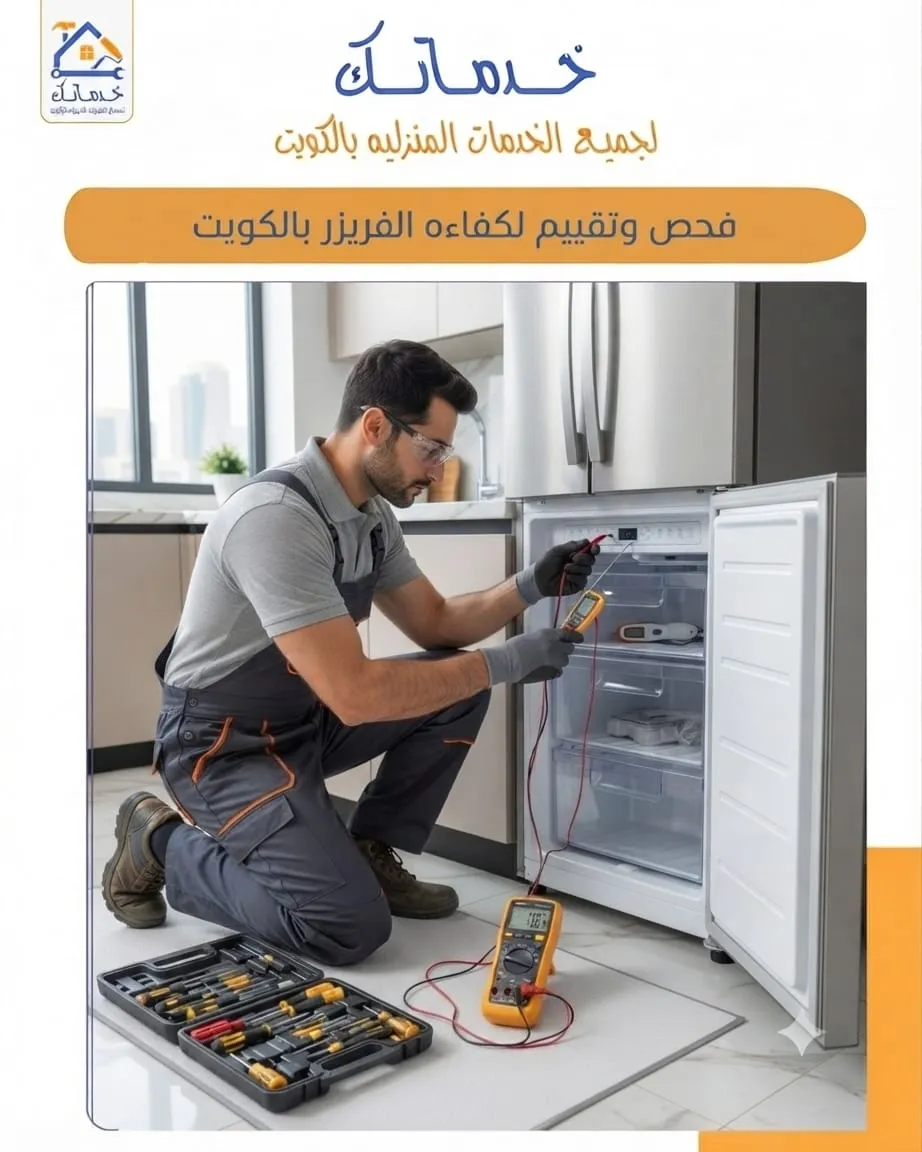
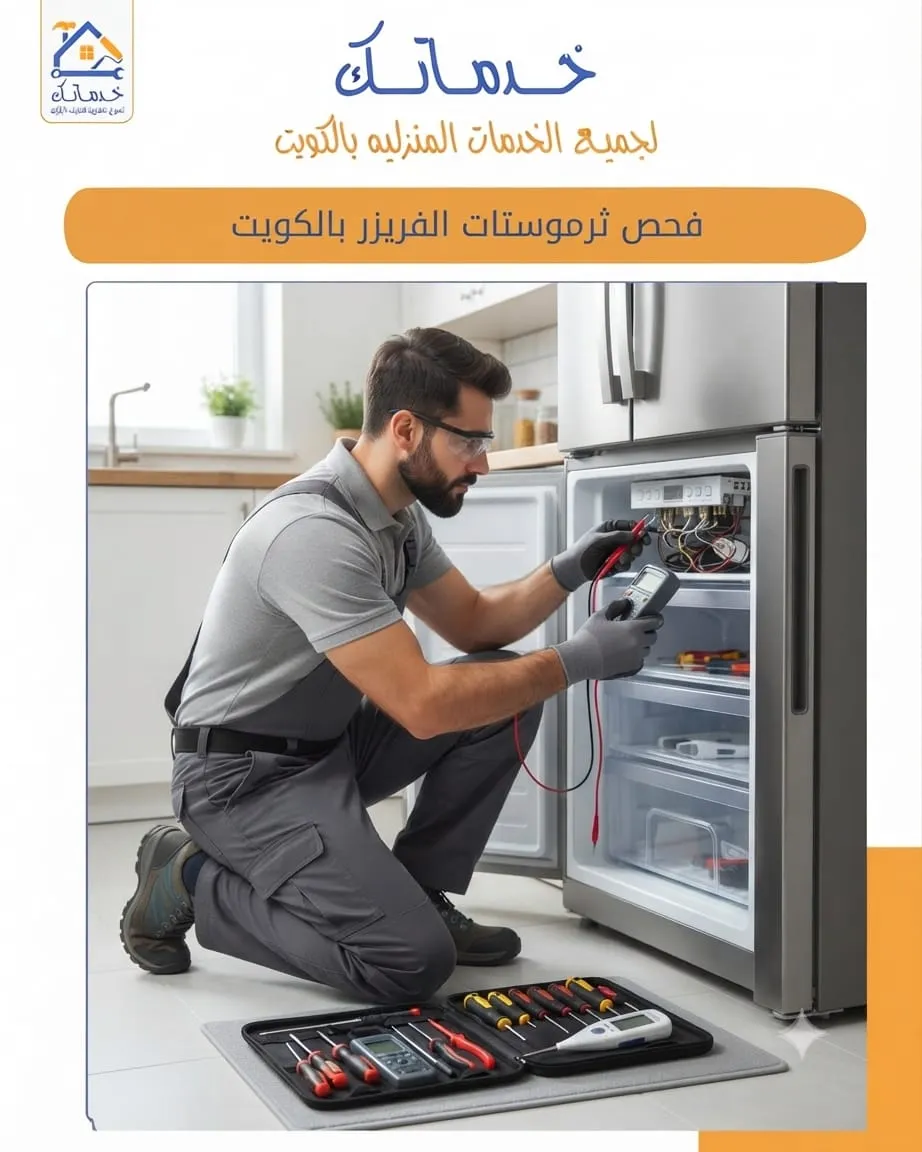
Repairing a freezer that does not freeze in Kuwait requires comprehensive engineering diagnosis before any repair procedure begins because poor freezing performance may originate from multiple technical faults occurring simultaneously, while the visible symptoms rarely reveal the true engineering cause of the malfunction. Extensive practical experience repairing household freezers throughout Kuwait has consistently demonstrated that many freezers continue operating normally while completely failing to achieve the required freezing temperatures because of faults involving the sealed refrigeration system, electronic control components, airflow distribution, or compressor performance. Professional technicians therefore begin by measuring cabinet temperatures at several different locations inside the freezer before comparing those readings with the manufacturer's engineering specifications for the exact appliance model. Compressor operating time and shutdown intervals are carefully analyzed to determine whether the refrigeration cycle remains properly balanced. Refrigeration system pressures are then measured while technicians evaluate the capillary tube, evaporator, condenser, circulation fans where applicable, thermostat or electronic temperature sensors, and the main control board responsible for freezer operation. Electrical current consumption and compressor starting circuits are simultaneously analyzed because certain electrical faults reduce compressor efficiency without preventing the appliance from running continuously. After every engineering measurement has been completed, technicians evaluate all collected diagnostic information before identifying the exact technical source of the problem and preparing an appropriate repair strategy based upon objective testing rather than assumptions. Extensive practical experience throughout Kuwait consistently demonstrates that this systematic engineering approach minimizes recurring technical failures, prevents unnecessary replacement of functioning components, restores original freezing performance, and provides homeowners with the most cost-effective long-term repair solution.
Why Does a Freezer Continue Running but Fail to Freeze Food Properly?
One of the most confusing refrigeration problems occurs when the freezer continues operating but does not freeze food, because the compressor appears to function normally while internal cabinet temperatures continue rising instead of reaching proper freezing levels. Extensive practical experience repairing household freezers throughout Kuwait has consistently demonstrated that this condition may result from reduced refrigeration system efficiency, partial capillary tube restrictions, refrigerant leakage, declining compressor performance, automatic defrost problems in certain freezer models, or excessive dirt accumulation on the condenser that prevents efficient heat dissipation. Professional technicians therefore begin by performing complete refrigeration system analysis through pressure measurements, evaporator frost pattern inspection, cooling distribution evaluation, and careful observation of compressor performance during continuous operation. Electrical starting components including the compressor relay, overload protector, and starting capacitor are thoroughly tested because deterioration of these components may significantly reduce compressor output even while allowing continuous operation. Door gaskets are carefully inspected to eliminate warm air leakage that continuously increases the freezer's thermal load. Once comprehensive diagnosis has identified the engineering cause responsible for preventing proper freezing temperatures, technicians carry out the appropriate repair before operating the freezer through extended performance testing to verify complete restoration of normal freezing efficiency. Extensive practical experience throughout Kuwait consistently demonstrates that correcting the actual technical fault restores full freezing performance, protects frozen food from spoilage, reduces electrical energy consumption, and prevents unnecessary mechanical stress on the compressor.
What Are the Real Causes of Weak Household Freezer Freezing Performance and How Are They Accurately Identified?
Many homeowners search for the cause of weak household freezer freezing performance immediately after noticing that frozen food no longer reaches the expected hardness or freezing speed. However, extensive practical experience repairing refrigeration appliances throughout Kuwait has consistently demonstrated that poor freezing is not a technical fault by itself but rather the result of an underlying engineering problem affecting one or more major freezer operating systems. Professional technicians therefore never rely upon a single visible symptom. Instead, they begin by carrying out a complete diagnostic sequence that includes cabinet temperature measurements, refrigeration pressure analysis, compressor performance evaluation, capillary tube inspection, evaporator and condenser efficiency testing, together with thermostat or electronic temperature sensor diagnostics depending upon the freezer design. Door gasket condition and cabinet insulation are also carefully evaluated because continuous warm air infiltration significantly increases refrigeration load and gradually reduces freezing efficiency even when the refrigeration system itself remains mechanically healthy. Installation location and surrounding ventilation conditions are additionally reviewed because insufficient airflow around the condenser directly reduces the appliance's ability to reject heat efficiently. After every engineering test has been completed, technicians evaluate all collected data together in order to identify the true source of the weak freezing performance, whether it involves the refrigeration system, electrical controls, airflow management, or electronic operating systems. Extensive practical experience throughout Kuwait consistently demonstrates that precise engineering diagnosis remains the single most important factor in successful freezer repair because it prevents unnecessary repair procedures, restores original freezing performance, improves operating efficiency, and provides reliable long-term appliance performance without recurring technical failures.
How Is Refrigerant Leakage in a Freezer Repaired to Prevent the Problem from Returning?
Repairing refrigerant leakage in a freezer requires exceptional precision because simply recharging refrigerant does not permanently solve the problem if the source of the leak remains inside the sealed refrigeration system. Extensive practical experience repairing household freezers throughout Kuwait has consistently demonstrated that many appliances requiring repeated refrigerant charging over short periods are actually suffering from undetected refrigerant leaks that were never accurately located during previous service visits. As a result, freezing performance gradually declines again only days or weeks after the repair. Professional technicians therefore begin by measuring refrigeration system pressures and carefully evaluating compressor performance to confirm that refrigerant loss is truly responsible for the weak freezing performance. Electronic leak detection equipment together with approved engineering inspection methods is then used to identify the exact location of refrigerant leakage whether it originates from refrigeration tubing, the evaporator, brazed joints, or any other section of the sealed refrigeration circuit. Once the leak has been accurately located, technicians repair the damaged area according to manufacturer-approved engineering procedures before conducting a complete pressure integrity test to verify that the refrigeration circuit is completely sealed. Only after confirming leak elimination is the entire system evacuated using a professional vacuum pump to remove air and moisture because internal moisture significantly reduces refrigeration efficiency and may later create capillary tube restrictions. The freezer is then charged with the precise quantity of refrigerant specified by the manufacturer before refrigeration pressures, cabinet temperatures, and compressor performance are monitored throughout several complete operating cycles. Extensive practical experience throughout Kuwait consistently demonstrates that eliminating the leak before recharging refrigerant preserves freezing efficiency for many years, prevents repeated refrigerant loss, reduces compressor workload, and significantly extends the operational lifespan of the entire refrigeration system.
Why Is Inspecting the Capillary Tube Essential When Diagnosing Weak Freezer Cooling Performance?
Inspecting the capillary tube during weak freezer cooling diagnosis represents one of the most important engineering procedures because the capillary tube regulates refrigerant flow throughout the sealed refrigeration system. Any partial or complete restriction immediately reduces the freezer's ability to reach proper freezing temperatures. Extensive practical experience repairing household freezers throughout Kuwait has consistently demonstrated that many homeowners incorrectly assume compressor failure or refrigerant shortage when the actual cause of weak freezing is a partially blocked capillary tube contaminated by microscopic debris, compressor oil residues, or moisture introduced into the sealed refrigeration system. Professional technicians therefore begin by measuring refrigeration operating pressures while analyzing the pressure difference between the suction and discharge sides of the refrigeration circuit. Frost distribution across the evaporator is carefully observed because freezing patterns frequently provide valuable engineering evidence indicating capillary tube restrictions or sealed system flow abnormalities. Compressor performance is simultaneously evaluated to verify that sufficient operating pressure is being generated because declining compressor efficiency may produce symptoms very similar to capillary restrictions. Whenever diagnosis confirms a capillary tube problem, technicians carry out the appropriate engineering procedure to eliminate the restriction or replace the damaged section whenever necessary while completely cleaning the sealed refrigeration system to remove contaminants capable of causing future restrictions. Following completion of the repair, the refrigeration system is recharged with the manufacturer's specified refrigerant quantity before comprehensive operational testing verifies refrigeration pressures, cabinet temperatures, freezing speed, and complete refrigeration system stability. Extensive practical experience throughout Kuwait consistently demonstrates that professional capillary tube inspection prevents unnecessary compressor replacement, restores original refrigeration efficiency, improves freezer performance, and ensures stable long-term freezing operation.
How Does Cleaning the Freezer Condenser Improve Freezing Performance While Reducing Electricity Consumption?
Cleaning the freezer condenser to improve freezing performance is one of the most valuable preventive maintenance procedures despite often being overlooked by homeowners. Extensive practical experience repairing refrigeration appliances throughout Kuwait has consistently demonstrated that dust, dirt, and debris accumulating between condenser fins significantly reduce the condenser's ability to release heat carried by the refrigerant after it leaves the compressor. This causes higher refrigeration system pressures, increased compressor workload, longer operating cycles, and gradually declining freezing performance. Professional technicians therefore begin by visually inspecting condenser condition before measuring condenser operating temperatures and comparing them with expected engineering values while simultaneously analyzing refrigeration system pressures to verify that reduced performance is genuinely related to condenser heat rejection rather than another refrigeration fault. Specialized cleaning equipment is then used to remove accumulated dust without bending delicate condenser fins or damaging the refrigeration system. Condenser cooling fans are also inspected on models equipped with forced-air condenser systems to verify proper airflow while adequate installation clearance around the freezer is confirmed because insufficient ventilation behind the appliance significantly reduces heat dissipation even after cleaning has been completed. Once maintenance has finished, technicians restart the freezer and monitor cabinet temperatures, compressor operating time, refrigeration pressures, and electrical current consumption to verify measurable improvements in refrigeration efficiency. Extensive practical experience throughout Kuwait consistently demonstrates that routine condenser cleaning improves freezing speed, shortens compressor operating cycles, reduces electricity consumption, lowers mechanical stress on refrigeration components, and substantially extends the operational life of the freezer.
Why Does a Freezer Fail to Reach the Required Freezing Temperature Even Though It Continues Operating?
A situation where the freezer fails to reach the required freezing temperature requires complete engineering analysis because continuous compressor operation does not necessarily indicate that the refrigeration system is performing efficiently. Extensive practical experience repairing household freezers throughout Kuwait has consistently demonstrated that this problem may result from reduced compressor efficiency, partial capillary tube restrictions, refrigerant shortages, frost accumulation on the evaporator, thermostat or electronic sensor failures, inadequate condenser heat dissipation, or several technical faults occurring simultaneously. Professional technicians therefore begin by measuring cabinet temperatures and comparing them with compressor operating time before analyzing refrigeration system pressures and evaluating the compressor's ability to generate the pressure required for efficient freezing. Frost distribution across the evaporator is carefully inspected because freezing patterns often reveal hidden sealed refrigeration system faults that cannot be detected through visual inspection alone. The complete control system is simultaneously evaluated to ensure that the thermostat or electronic sensors provide accurate temperature information and that the control board activates and deactivates refrigeration cycles at the correct operating intervals. Door gaskets are inspected to eliminate warm air leakage while freezer installation conditions are reviewed to confirm adequate ventilation surrounding the condenser. After every engineering measurement has been completed, technicians identify the precise technical reason preventing the freezer from reaching the required freezing temperature before carrying out the appropriate repair procedure. Comprehensive post-repair testing then verifies stable freezing performance under actual operating conditions. Extensive practical experience throughout Kuwait consistently demonstrates that precise engineering diagnosis before repair restores maximum freezing efficiency, prevents recurring technical failures, preserves frozen food quality, and minimizes future maintenance costs.
What Factors Determine the Cost of Repairing a Freezer That Does Not Cool Properly in Kuwait?
Many homeowners ask about the cost of repairing a freezer that does not cool properly in Kuwait immediately after noticing weak freezing performance. However, extensive practical experience repairing refrigeration appliances throughout Kuwait has consistently demonstrated that repair costs cannot be accurately determined before professional engineering diagnosis because identical symptoms frequently originate from completely different technical faults. A freezer may require only thermostat calibration, electronic sensor replacement, or capillary tube servicing, while another appliance displaying identical symptoms may require compressor repair, sealed refrigeration system servicing, refrigerant leak repair, or major refrigeration component replacement. Professional technicians therefore begin every repair by performing complete engineering diagnosis including cabinet temperature measurements, refrigeration pressure analysis, compressor efficiency testing, capillary tube inspection, evaporator and condenser evaluation, together with complete electrical and electronic operating system diagnostics. Additional factors influencing repair costs include freezer size, appliance design, manufacturer, availability of genuine replacement parts, engineering complexity, and the amount of labor required to complete the repair correctly. Whenever replacement components become necessary, homeowners receive a detailed explanation describing every available repair option together with the associated costs and expected long-term reliability before work begins. Following completion of repairs, the freezer undergoes comprehensive operational testing to verify complete restoration of freezing performance before being returned to service. Extensive practical experience throughout Kuwait consistently demonstrates that determining repair costs only after professional engineering diagnosis provides homeowners with fair, transparent pricing, prevents unnecessary repair expenses, and ensures that the correct technical fault is repaired during the initial service visit.
How Does Professional Maintenance of Household Freezer Freezing Problems Restore Original Factory Performance?
Professional maintenance of household freezer freezing problems approaches the refrigeration system as one fully integrated engineering unit because reduced freezing efficiency frequently results from several interconnected operating systems rather than one isolated component. Extensive practical experience repairing household freezers throughout Kuwait has consistently demonstrated that correcting only the visible symptom without evaluating every supporting refrigeration system often causes the same problem to return shortly after the repair has been completed. Professional technicians therefore begin by assessing the freezer's overall operating condition before inspecting every major refrigeration component including the compressor, capillary tube, evaporator, condenser, electronic temperature sensors, thermostat, control board, circulation fans where applicable, and complete refrigeration pressures during actual operating conditions. Cabinet insulation and door gasket integrity are simultaneously evaluated because continuous warm air infiltration directly reduces freezing efficiency even when the refrigeration system itself remains mechanically healthy. Whenever diagnosis identifies multiple technical faults, every contributing problem is corrected during the same repair procedure rather than repairing only one defective component. Following completion of maintenance, the freezer operates continuously for several hours while technicians monitor freezing speed, cabinet temperatures, refrigeration pressures, electrical energy consumption, and complete compressor performance to verify restoration of original factory operating conditions. Extensive practical experience throughout Kuwait consistently demonstrates that comprehensive engineering maintenance restores full freezing efficiency, preserves frozen food quality, reduces compressor workload, extends appliance lifespan, and significantly decreases the likelihood of future refrigeration failures.
How Can the Problem of a Freezer That Does Not Freeze Properly Be Permanently Solved Instead of Temporarily Improved?
Solving the problem of a freezer that does not freeze properly requires identifying and eliminating the root engineering cause rather than applying temporary solutions that restore freezing performance for only a short period before the fault returns. Extensive practical experience repairing refrigeration appliances throughout Kuwait has consistently demonstrated that successful freezer repair always begins with professional engineering diagnosis based upon actual technical measurements rather than visible symptoms alone. Poor freezing performance may originate from refrigeration system faults, declining compressor efficiency, capillary tube restrictions, refrigerant leakage, electronic control failures, airflow problems, or several interconnected operating systems affecting one another simultaneously. Professional technicians therefore begin by measuring cabinet temperatures, analyzing refrigeration operating pressures, evaluating every mechanical, electrical, and electronic refrigeration component, inspecting the evaporator and condenser, verifying heat dissipation efficiency, and ensuring that no airflow restriction or operating condition prevents proper freezing performance. Freezer installation conditions and surrounding ventilation are also reviewed because poor airflow around the condenser frequently reduces refrigeration efficiency even when every internal component remains mechanically healthy. Once every contributing factor has been identified, technicians correct all technical faults during the same repair procedure rather than addressing only the most obvious symptom. After repairs have been completed, the freezer undergoes extended operational testing while cabinet temperatures, freezing speed, compressor performance, refrigeration pressures, electrical consumption, and complete system stability are continuously monitored to verify restoration of original factory operating conditions. Extensive practical experience throughout Kuwait consistently demonstrates that comprehensive engineering repair eliminates recurring freezing problems, preserves freezing efficiency over extended periods, minimizes future maintenance expenses, protects frozen food quality, and provides homeowners with dependable long-term freezer performance.
Conclusion
Reduced freezer freezing performance should never be ignored because continued operation under poor cooling conditions gradually leads to food spoilage, increased electricity consumption, excessive compressor workload, and unnecessary wear throughout the sealed refrigeration system. Extensive practical experience repairing household freezers throughout Kuwait has consistently demonstrated that successful freezer repair depends upon accurate engineering diagnosis using professional testing equipment rather than replacing components randomly or relying upon assumptions. Every refrigeration component operates as part of a carefully balanced system, and even a relatively minor fault involving the capillary tube, condenser, compressor, or electronic control system can significantly reduce the freezer's ability to achieve the required freezing temperatures.
Throughout this comprehensive guide, we explained the engineering approach to repairing a freezer that does not freeze in Kuwait, discussed why a freezer continues operating without freezing food properly, analyzed the real causes of weak household freezer freezing performance, described professional procedures for repairing refrigerant leakage in freezers, demonstrated the importance of inspecting the capillary tube during weak freezer cooling diagnosis, explained how cleaning the freezer condenser improves freezing performance, analyzed the reasons why a freezer fails to reach the required freezing temperature, discussed the factors influencing the cost of repairing a freezer that does not cool properly in Kuwait, explained the engineering principles behind professional maintenance of household freezer freezing problems, and finally demonstrated the correct method for permanently solving inadequate freezer freezing performance without allowing the problem to return.
Ultimately, choosing an experienced refrigeration technician equipped with advanced diagnostic equipment and extensive practical engineering expertise remains the most reliable way to restore freezing efficiency, reduce electrical energy consumption, extend freezer lifespan, and avoid repeated repair expenses in the future.
Frequently Asked Questions
Why does my freezer continue running but fail to freeze food?
The problem may result from refrigerant shortages, capillary tube restrictions, declining compressor efficiency, electronic control faults, airflow problems, or other refrigeration system failures.
Does weak freezing always indicate low refrigerant?
No. Poor freezing performance may also be caused by capillary tube restrictions, dirty condensers, compressor problems, faulty temperature controls, or electronic sensor failures.
How can I know whether the capillary tube requires inspection?
Professional technicians determine this by measuring refrigeration pressures and analyzing evaporator frost distribution using specialized refrigeration diagnostic equipment.
Can refrigerant leakage be permanently repaired?
Yes. Permanent repair requires accurately locating the leak, repairing the damaged section, evacuating the sealed refrigeration system, and recharging it with the manufacturer's specified refrigerant quantity.
Does cleaning the condenser improve freezer performance?
Yes. Removing accumulated dust allows the condenser to release heat more efficiently, improving freezing performance while reducing compressor workload and electricity consumption.
Why does my freezer fail to reach the required freezing temperature even though it continues operating?
Possible causes include declining compressor performance, capillary tube restrictions, refrigerant shortages, electronic control failures, thermostat problems, or inadequate condenser ventilation.
What determines the total cost of freezer repair?
Repair cost depends upon the engineering diagnosis, freezer model, technical complexity of the fault, replacement components required, and the labor necessary to complete the repair correctly.
Can comprehensive maintenance prevent recurring freezer problems?
Yes. Professional engineering maintenance addresses every technical factor affecting freezing efficiency rather than correcting only the visible symptom, significantly reducing the likelihood of recurring failures.
Is the freezer tested after repairs have been completed?
Yes. Professional technicians perform extended operational testing that includes cabinet temperature monitoring, refrigeration pressure analysis, electrical consumption measurement, compressor evaluation, and complete freezing performance verification.
When should I contact a professional freezer repair technician?
You should request professional diagnosis immediately if freezing performance declines, frozen food begins thawing, the freezer cannot reach normal freezing temperatures, or cooling performance changes unexpectedly because early diagnosis prevents more serious refrigeration failures and reduces overall repair costs.