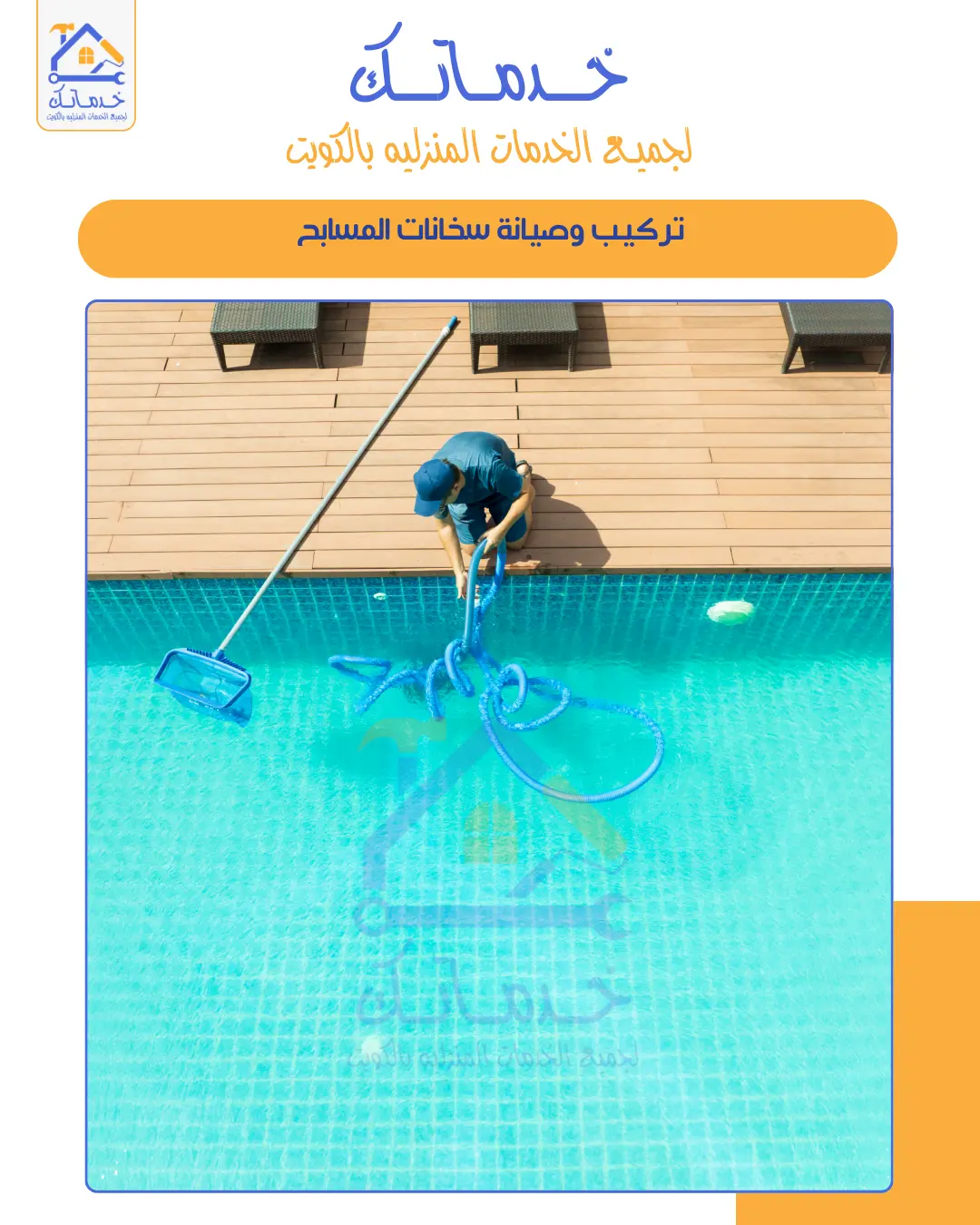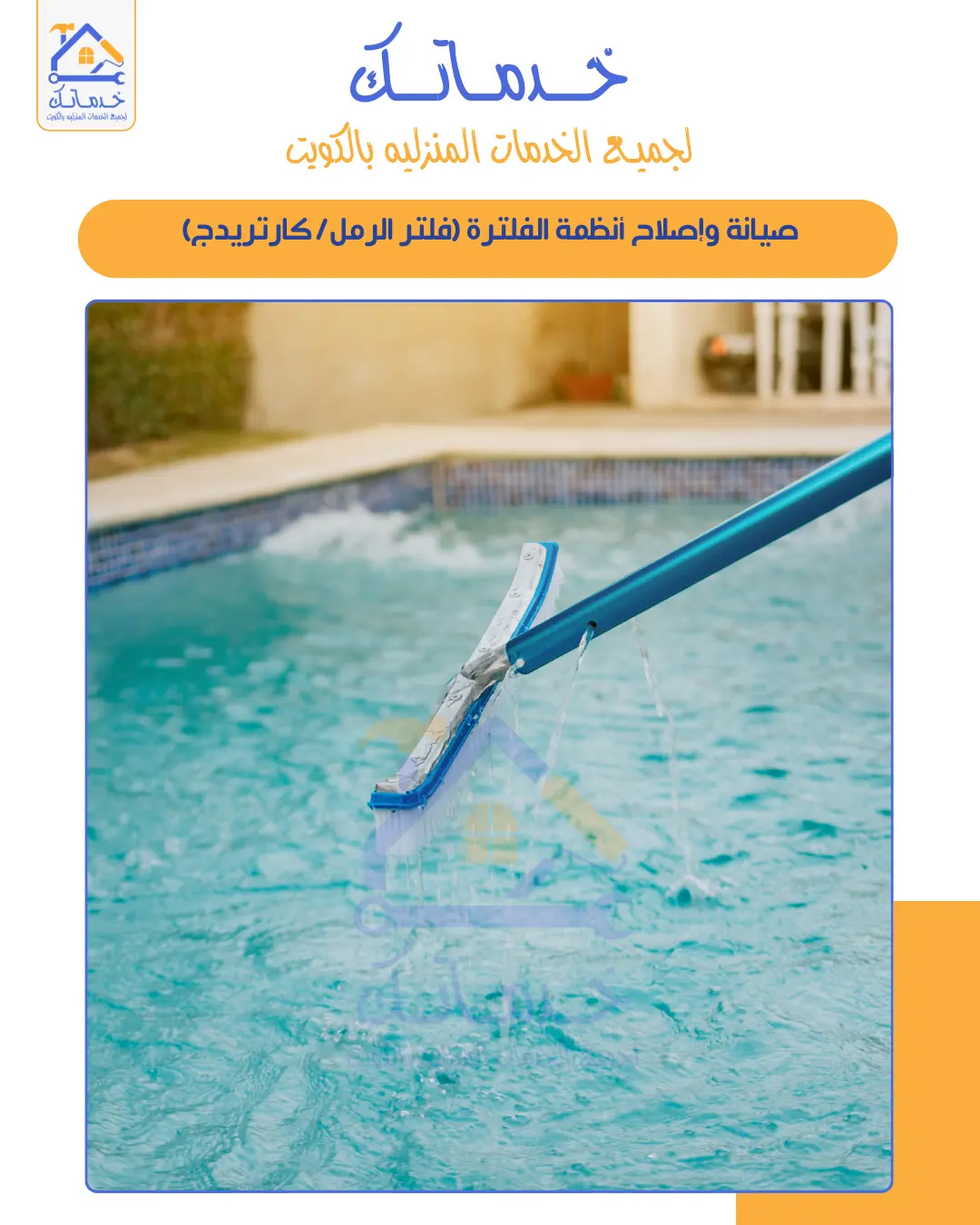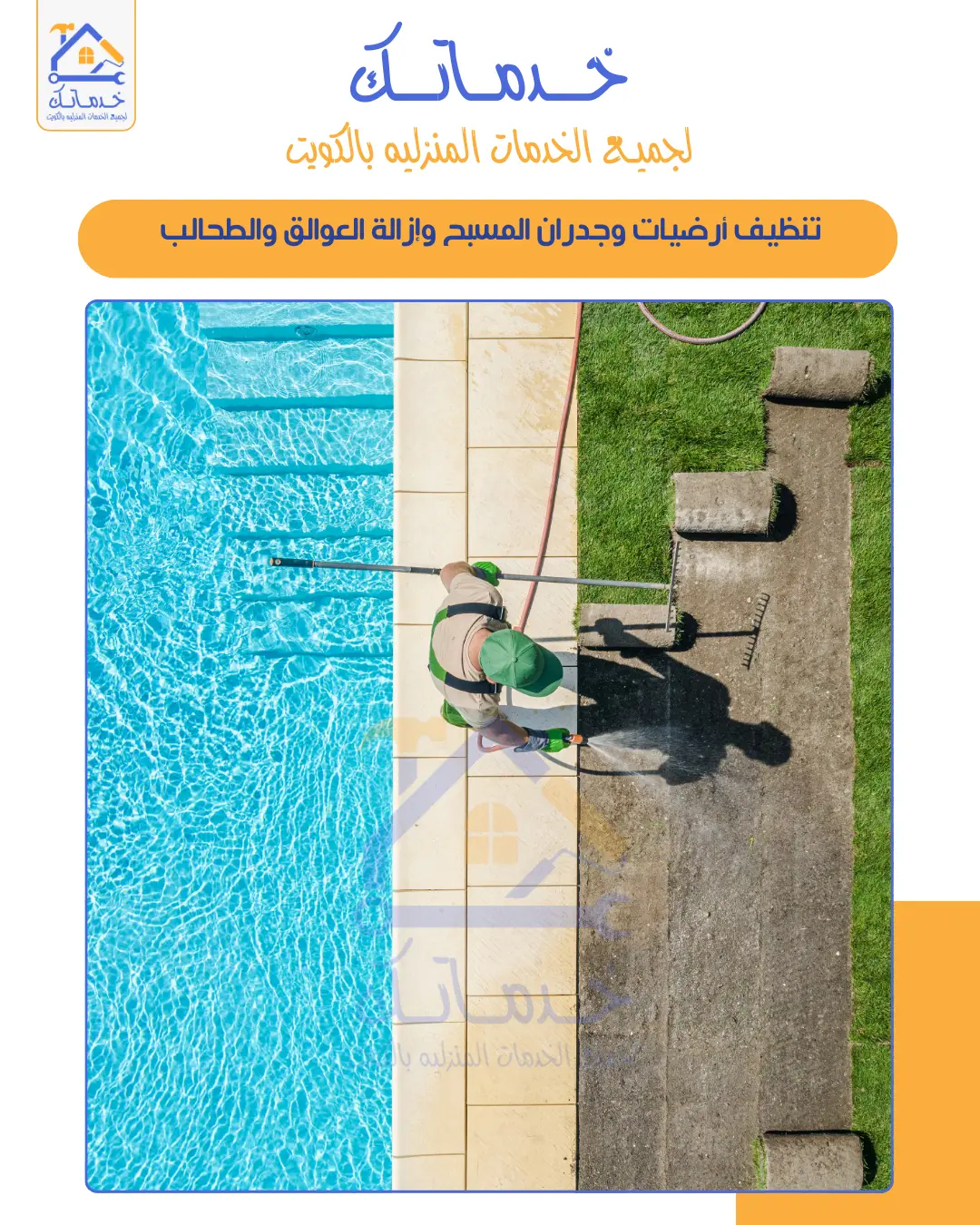
Pool tile cleaning in Kuwait is one of the most important maintenance tasks that should be completed before the beginning of summer, because high temperatures and increased pool usage make scale and deposits appear more clearly on tiles and walls.
Over time, water minerals, salts, and calcium deposits accumulate on pool surfaces, affecting the overall appearance and making regular cleaning methods insufficient to remove these layers.
Therefore, pools require specialized cleaning methods that remove deposits while protecting the tiles and preventing damage to the finishing materials.
Early inspection and choosing the correct cleaning method help restore the pool appearance and improve cleanliness before the swimming season begins.
Pool Tile Cleaning in Kuwait to Remove Dirt and Scale Before Summer

Pool tile cleaning in Kuwait is an important service that helps maintain pool appearance and water quality, especially before the beginning of summer when pool usage increases significantly.
During regular use, different types of deposits accumulate on pool tiles, including mineral salts, chemical residues, and calcium scale caused by water content.
These deposits gradually make tiles lose their shine and may create visible white layers or color changes on the surface.
Many pool owners believe that operating the filtration system and adding cleaning chemicals are enough to maintain tile cleanliness, but these procedures mainly focus on water quality rather than treating deposits accumulated on the internal pool surfaces.
Over time, pool floors and walls require specialized cleaning to remove built-up layers and restore the natural appearance of the tiles.
Before performing pool tile cleaning in Kuwait, the technician inspects the tile condition and identifies the type of deposits present.
Not all stains or white layers have the same cause, as they may result from calcium scale, mineral deposits, or chemical treatment residues.
The cleaning method is selected according to the tile type and the level of accumulation because using strong materials or unsuitable tools may scratch the surface or damage the joints between tiles.
Through practical experience, some pool owners try removing scale using strong household products, but these attempts may damage the tiles if the materials are not used correctly.
Therefore, professional cleaning helps remove deposits while maintaining the quality of the pool finishing.
During the cleaning process, different pool areas are treated separately, including the floor, walls, corners, and areas where dirt accumulates more frequently.
After removing the deposits, the tiles are washed carefully to ensure all cleaning material residues are removed.
The final appearance of the tiles is inspected to confirm improvement in the overall pool condition.
Therefore, pool tile cleaning in Kuwait before summer is an important step for maintaining pool cleanliness and preparing it for the swimming season.
Removing Pool Tile Scale and Treating White Mineral Deposits
Removing pool tile scale is one of the cleaning procedures that requires accuracy because scale is not just surface dirt that can be removed easily, but rather accumulated layers caused by minerals and salts found in water.
Over time, these deposits appear clearly around pool edges, walls, and the waterline, making the tiles look old even when the pool receives regular maintenance.
This problem becomes more common in areas where water contains higher mineral levels, which makes regular monitoring necessary to prevent heavy buildup.
When performing pool tile scale removal, the technician first evaluates the tile condition and determines the level of scale accumulation.
The suitable cleaning materials and methods are selected according to the tile type and the strength of the deposits.
A single cleaning method is not used for every pool because some tile types require more careful treatment to preserve their surface quality.
Through practical experience, leaving scale deposits for a long time makes them harder to remove and may require more effort and time compared with regular maintenance.
Therefore, treating the problem early helps maintain pool appearance and reduce maintenance costs.
During the cleaning process, the accumulated layer is removed gradually without affecting the tiles or the joints between them.
After completion, the area is washed thoroughly to remove any remaining deposits and cleaning materials.
The cleaned areas are inspected to ensure that the scale has been removed properly.
Therefore, professional pool tile scale removal helps restore tile appearance and maintain pool finishing quality for a longer period.
Pool Wall Cleaning and Removing Deposits That Affect Appearance
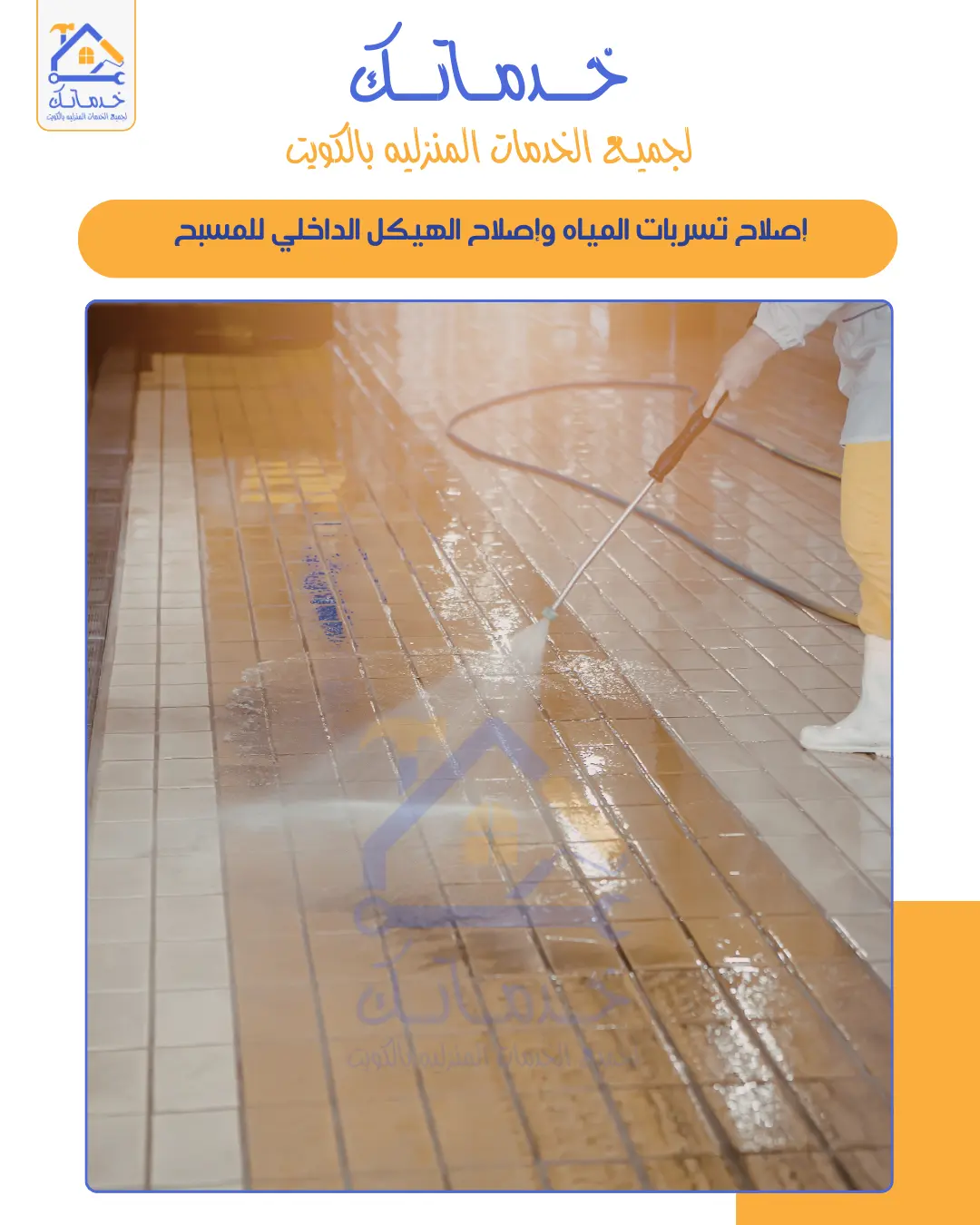
Pool wall cleaning is an important part of pool maintenance because walls are constantly exposed to water, chemicals, salts, and mineral deposits that may accumulate over time.
Scale usually appears clearly around the waterline, which is the area exposed to continuous changes between wet and dry conditions, making it one of the areas that requires specialized cleaning.
Ignoring wall cleaning for a long time may lead to thicker deposits that become difficult to remove using normal cleaning methods.
Before starting pool wall cleaning, the technician inspects the type of finishing used on the walls.
The suitable cleaning method is selected according to the ceramic or tile type and the condition of the accumulated deposits.
Special attention is given to corners and areas where dirt collects more easily.
Through practical experience, regular wall cleaning does not only improve appearance but also helps maintain a cleaner swimming environment.
After removing deposits, the walls are washed and checked to ensure that no residues remain that could affect water quality.
The tile joints are also inspected to identify any issues that may require additional treatment.
Therefore, pool wall cleaning is an essential part of preparing the pool before summer and maintaining its appearance and quality.
Pool Floor Cleaning and Removing Deposits Accumulated in High-Use Areas
Pool floor cleaning is one of the essential steps for maintaining pool cleanliness because the floor is one of the areas where dirt and deposits collect most due to particles sinking to the bottom with water movement.
Over time, layers of calcium, salts, and chemical residues may accumulate on the pool floor, affecting the appearance of the tiles and making the surface look dull or less clean despite continuous filtration operation.
Areas such as corners and the bottom of pool steps are also common places where dirt gathers because water movement is weaker in these locations.
When performing pool floor cleaning, the technician first inspects the tile condition and identifies the type of deposits present.
The suitable cleaning method is selected according to the floor material and the level of accumulation because some surfaces require careful treatment to protect tiles and joints.
Accumulated dirt is removed, and difficult areas that are hard to reach are cleaned using appropriate tools and methods.
Through practical experience, leaving the pool floor without specialized cleaning for long periods makes deposits more difficult to remove and may affect the overall appearance of the pool.
Therefore, regular cleaning before the swimming season helps maintain the pool in better condition.
After completing floor cleaning, the surface is washed and checked to ensure that all remaining deposits have been removed.
The tiles are also inspected to identify any areas that may require repair or additional treatment.
Therefore, pool floor cleaning helps improve pool appearance and maintains a cleaner and safer swimming environment for users.
Removing Calcium Deposits From Pool Tiles to Maintain Cleanliness and Shine
Removing calcium deposits is one of the most important stages of pool cleaning because calcium is among the most common problems affecting tile appearance, especially around edges, walls, and the waterline.
These deposits form due to the accumulation of minerals and salts found in water, creating white or rough layers that cannot be removed through normal cleaning methods.
Some people believe that increasing chemical cleaning products is the solution, but the main problem is usually the existing accumulated layer that requires direct treatment.
During calcium deposit removal, the technician evaluates the tile condition and determines the level of buildup before selecting the cleaning method.
Suitable techniques are used to break down deposits without damaging the tile surface.
Special attention is given to areas where calcium appears more heavily, such as the waterline, corners, and areas with limited water movement.
Through practical experience, delaying calcium removal makes deposits harder and causes the cleaning process to require more time and effort.
Therefore, regular inspection and early treatment help preserve pool appearance.
After completion, the tiles are washed carefully to remove remaining cleaning materials.
The surface is inspected to confirm improved cleanliness and proper removal of deposits.
Therefore, professional calcium deposit removal helps restore tile appearance and maintain pool quality for a longer period.
Pool Tile Washing to Restore a Clean Appearance Before Use Season
Pool tile washing is one of the services that helps prepare the pool before operation, especially after long periods of inactivity or continuous use that causes dirt and deposits to accumulate.
Pool tile cleaning is not limited to removing dust only, but also includes treating mineral deposits and residues that build up on internal pool surfaces.
During the washing process, floors, walls, and different tile areas are treated according to their condition.
The technician begins by inspecting the pool and identifying areas that require more intensive cleaning.
Suitable tools and materials are selected according to the tile type to achieve the best result without affecting the finishing quality.
During pool tile washing, deposits, salts, and residues that may affect water appearance after filling the pool are removed.
Through practical experience, cleaning tiles before summer prevents many problems during the season because starting with a clean pool reduces the need for intensive cleaning later.
After washing, all areas are inspected, especially corners, waterline areas, and locations where deposits usually accumulate.
The tiles are also checked to ensure there are no visible issues requiring maintenance.
Therefore, pool tile washing is an important step for maintaining pool appearance and preparing it for better use.
Pool Cleaning Before Summer and Preparing It for the Swimming Season
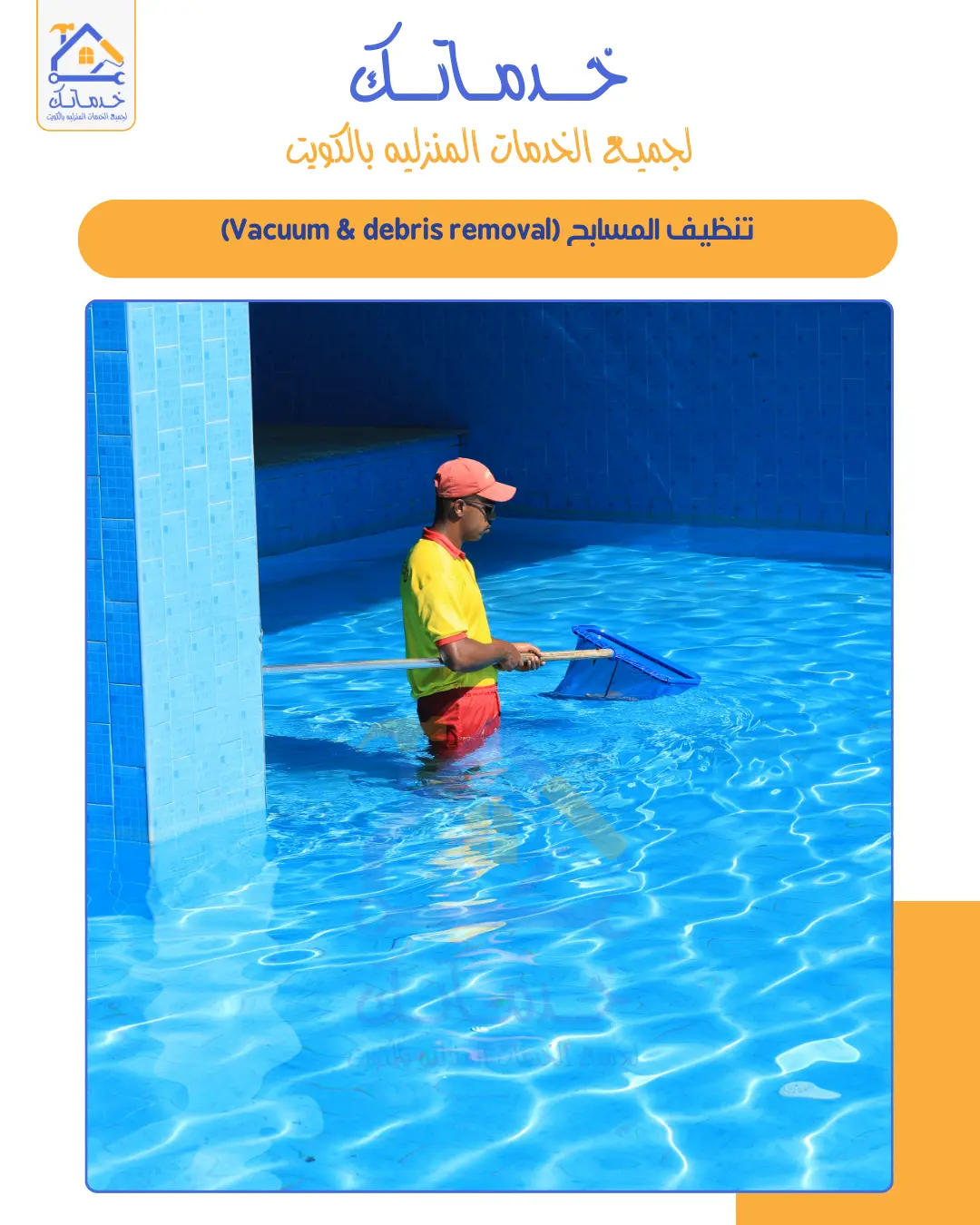
Pool cleaning before summer is one of the important procedures that helps pool owners start the season with clean water and an efficient operating system.
At the beginning of summer, pool usage increases significantly, so it is better to perform a complete inspection and cleaning before continuous operation begins.
The cleaning process includes checking tiles, walls, and floors, along with reviewing the filtration system, pump, and overall water condition.
When performing pool cleaning before summer, the technician evaluates the pool condition after the previous period of use or inactivity.
Deposits on surfaces are cleaned and scale buildup that appeared during the previous period is removed.
The equipment connected to pool operation is also checked to ensure readiness.
Through practical experience, delaying pool cleaning until heavy summer use begins may lead to problems such as cloudy water or increased dependence on chemical treatments.
Therefore, early preparation helps operate the pool more efficiently.
After completion, the system is tested and all components are checked to ensure normal operation.
Recommendations are also provided to help maintain pool cleanliness throughout the season.
Therefore, pool cleaning before summer is an important investment for maintaining water quality and reducing maintenance issues during the swimming period.
Pool Cleaning Technician for Professional Cleaning and Scale Removal
Choosing a professional pool cleaning technician is an important step to achieve effective results when cleaning tiles and removing deposits because pool cleaning does not depend only on using cleaning products, but also requires knowledge of tile condition, deposit types, and the correct treatment method.
The technician begins by inspecting the pool before starting the work to determine the level of dirt and the type of scale buildup present.
The condition of the tiles, walls, and floor is evaluated to identify whether the issue is caused by calcium deposits, mineral salts, or chemical residues from water treatment products.
After identifying the condition, the suitable cleaning method is selected to achieve the best result without affecting the pool surface.
During the work of a pool cleaning technician, each part of the pool is treated according to its specific needs.
Areas where deposits accumulate more heavily, such as the waterline, corners, and areas beneath steps, receive special attention.
The joints between tiles are also cleaned because they can collect dirt and deposits over time.
Through practical experience, using an unsuitable cleaning method may cause tile scratches or damage to finishing materials, which makes experience in selecting tools and materials an important factor.
After completing the cleaning process, the pool is washed carefully and all cleaning residues are removed.
The final tile appearance is inspected to confirm improvement in the overall pool condition.
The technician also provides recommendations for regular maintenance to reduce the speed of future scale buildup.
Therefore, relying on a specialized pool cleaning technician helps clean the pool safely and maintain tile quality for a longer period.
Pool Ceramic Cleaning and Removing Deposits Without Affecting Tile Surfaces
Pool ceramic cleaning requires careful handling because ceramic surfaces inside pools are continuously exposed to water, chemicals, and mineral salts that may cause deposits to appear over time.
Although ceramic tiles are easier to clean compared with some other materials, heavy calcium and salt buildup can make normal cleaning insufficient to restore the original appearance.
When performing pool ceramic cleaning, the technician first inspects the ceramic condition and identifies the type of deposits present.
Suitable cleaning materials are selected to remove buildup without affecting the ceramic surface or the joints between tiles.
Special attention is given to areas that are more likely to collect deposits, such as edges and areas where the water level changes frequently.
Through practical experience, using strong cleaning materials incorrectly may change the ceramic appearance or damage joints, so cleaning should always be performed carefully.
After removing deposits, the ceramic surface is washed thoroughly to eliminate all remaining residues.
The tiles are also inspected to identify any areas that may require additional treatment.
Therefore, professional pool ceramic cleaning helps restore tile shine and maintain the pool appearance for a longer period.
Pool Cleaning Company in Kuwait for Cleaning and Maintenance Before Summer
Choosing a specialized pool cleaning company in Kuwait helps pool owners receive complete cleaning services, including tile cleaning, scale removal, and preparing the pool for use.
Pools require continuous care because long periods of neglect may lead to deposit buildup and problems that affect appearance and water quality.
A specialized company begins by inspecting the pool condition and identifying the required services according to the current situation.
The pool may only require tile cleaning, or it may need scale removal and complete preparation before summer begins.
Services provided by a pool cleaning company in Kuwait usually include floor and wall cleaning, calcium deposit removal, tile condition inspection, and ensuring that the pool is ready for operation.
Each pool type is handled according to its finishing materials and installed equipment.
Through practical experience, relying on an inexperienced service provider may result in surface-level cleaning that does not solve the actual deposit problem.
Therefore, choosing an experienced company helps achieve better results and protects the pool.
After completing the work, all areas are reviewed to ensure proper cleaning.
Recommendations are also provided to help reduce future scale buildup and maintain pool cleanliness.
Therefore, hiring a professional pool cleaning company in Kuwait provides a practical solution for maintaining the pool and preparing it for the summer season.
Conclusion
Pool tile cleaning in Kuwait before summer is an important step that helps maintain pool appearance and water quality, especially with calcium and mineral deposits that affect tile appearance over time.
Removing scale and cleaning walls and floors does not only improve the external look of the pool, but also helps create a cleaner swimming environment and reduce future maintenance problems.
Relying on a professional technician or a specialized pool cleaning company in Kuwait ensures that the work is completed correctly and that suitable materials are selected according to tile type and deposit condition.
Cleaning the pool before summer also gives owners the opportunity to discover other issues that may require treatment before heavy usage begins.
Therefore, regular maintenance and timely tile cleaning are the best ways to preserve pool lifespan, maintain its appearance, and prepare it for the swimming season in the best possible condition.
Frequently Asked Questions
Why does scale appear on pool tiles?
Scale appears due to the accumulation of minerals and salts in water, along with the effect of chemical treatments over time.
Can pool tile scale be removed using home methods?
Some light deposits may be removed, but heavy scale requires suitable methods and materials to avoid damaging tiles.
When is the best time to clean the pool before summer?
It is recommended to clean the pool before heavy usage begins so it is ready with clean water and surfaces free from deposits.
Does tile cleaning affect pool ceramic?
When the correct cleaning method and suitable materials are used, ceramic surfaces will not be damaged.
How often does pool tile cleaning need to be performed?
The frequency depends on pool usage, water quality, and deposit levels, but regular inspection helps determine the correct timing.
Is filter cleaning enough instead of tile cleaning?
No. The filter maintains water quality, but it does not remove calcium deposits accumulated on pool walls and tile surfaces.
What causes white layers to appear on pool tiles?
They are usually caused by calcium and mineral deposits resulting from water evaporation and mineral accumulation.
Why do I need a pool cleaning technician?
Because a technician understands how to deal with different tile types and uses suitable methods to remove deposits without causing damage.