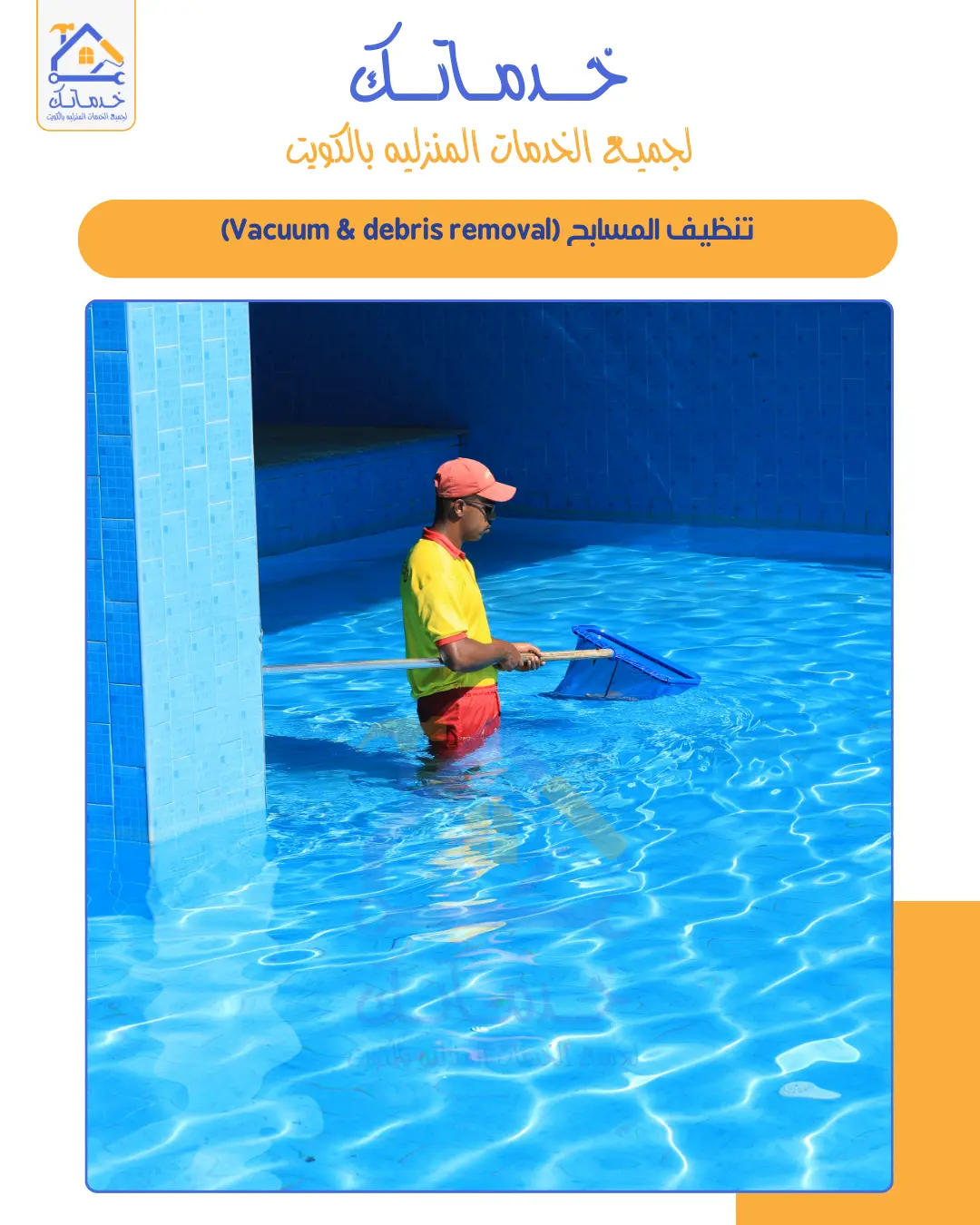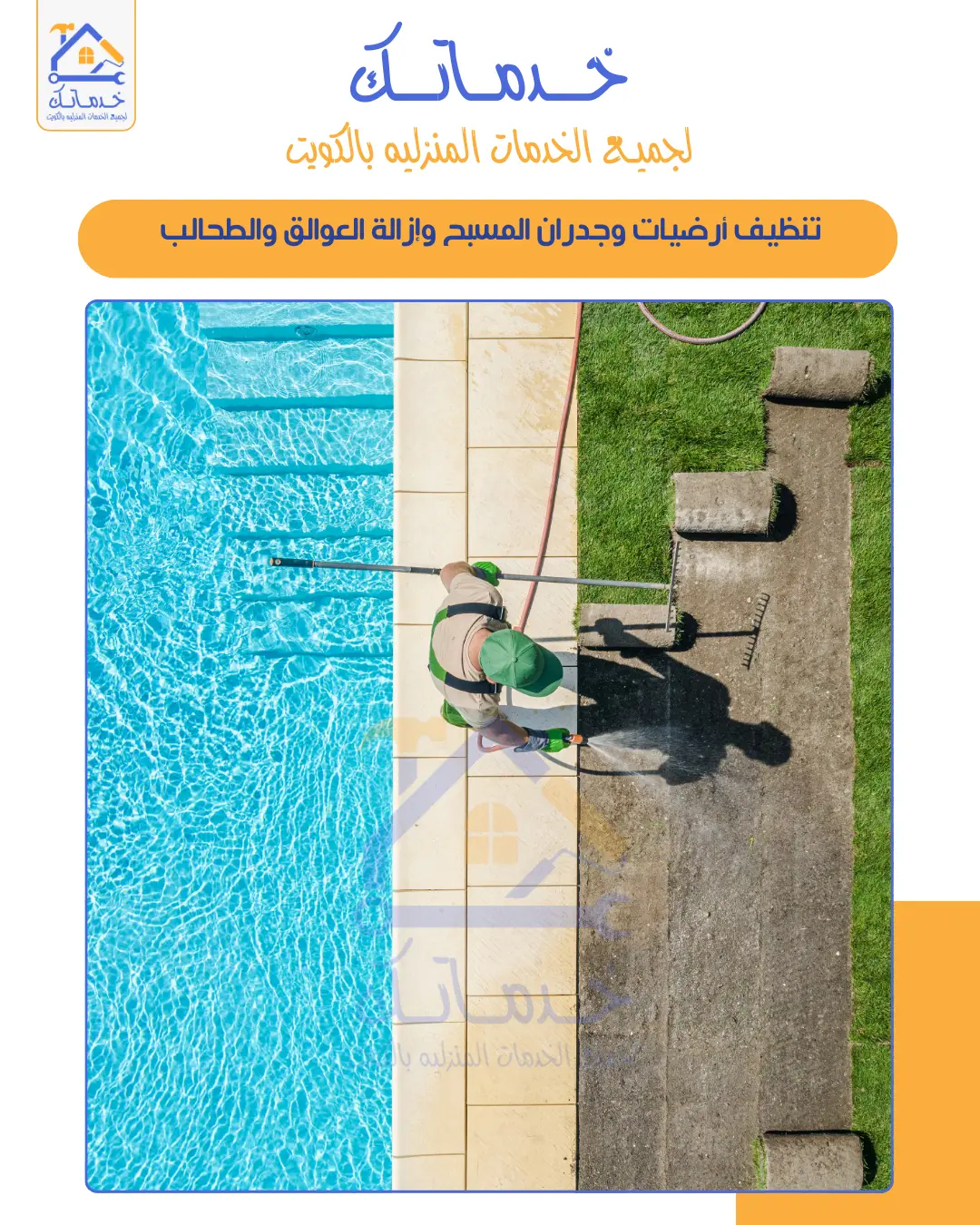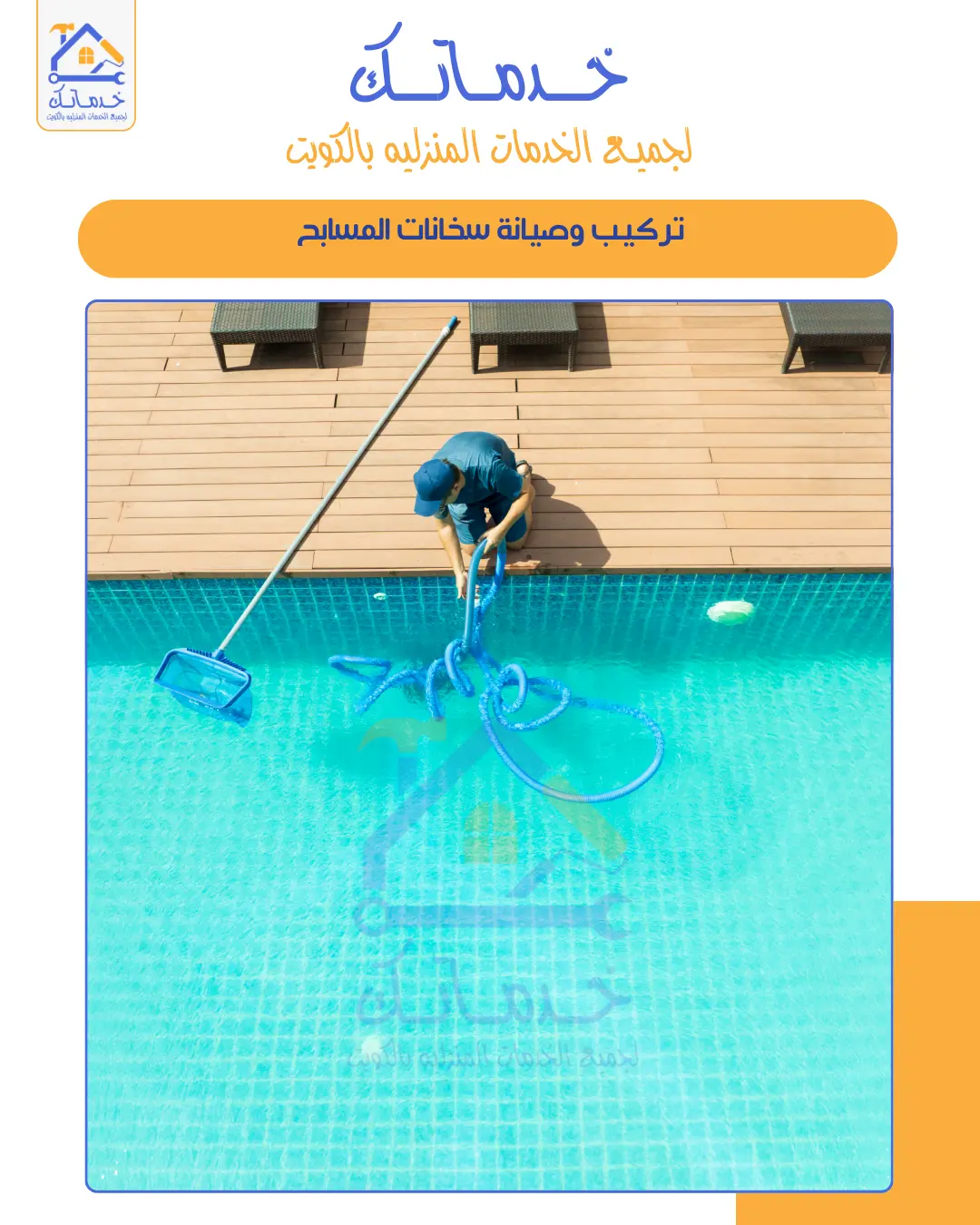
Installing automatic chlorine systems for pools in Kuwait has become one of the modern solutions that help pool owners maintain water quality and reduce the problems of continuous manual sanitization. Automatic chlorine systems work by regulating chlorine doses accurately and maintaining chemical balance in pool water throughout operation. These systems are a suitable choice for residential pools and villas that require continuous monitoring to maintain clean and safe water. The success of installing an automatic sanitization system depends on selecting the right system according to pool size and installing it correctly within the circulation system. Therefore, modern water treatment systems have become an essential part of advanced pool equipment for those seeking efficiency, convenience, and reliable performance.
The Importance of Installing an Automatic Chlorine System for Pools to Maintain Water Quality and Reduce Manual Sanitization
Installing an automatic chlorine system for pools is one of the best modern solutions that helps improve water sanitization and maintain a stable chlorine level without the need for continuous manual addition. Many pool owners face the problem of chlorine level fluctuations because it is difficult to determine the exact required amount manually, which can affect water quality and the overall swimming experience.
Automatic chlorine systems regulate and distribute chlorine according to the pool’s needs, helping maintain better balance and reducing the possibility of algae growth or water discoloration. These systems also prevent excessive chlorine levels that may cause discomfort for swimmers and reduce the negative effects of chemical overuse.
Through practical experience in pool installation and maintenance, manual sanitization may be suitable for some small pools, but it becomes more challenging for pools with frequent use or larger areas. Changes in temperature, number of users, and water evaporation rates all affect chlorine levels and require continuous monitoring.
Automatic chlorine systems save pool owners significant time and effort by reducing the need for daily chemical measurements and manual additions. They provide more stable water quality instead of relying on intervention only after problems appear.
These systems are especially suitable for residential pools in Kuwait due to weather conditions that affect water quality, including high temperatures and increased demand for sanitization during summer.
The role of the system is not limited to adding chlorine only, but it works as part of an integrated pool treatment system that includes filters, pumps, and water circulation equipment to achieve better cleanliness.
Therefore, installing an automatic chlorine system for a pool is a practical investment that improves water quality, reduces future maintenance costs, and provides a safer and more comfortable swimming environment.
Choosing the Best Automatic Pool Sanitization System According to Size and Usage Requirements
Choosing the best automatic pool sanitization system is an important step to ensure clean and stable water quality for a long period because sanitization systems differ in capacity, operating method, and available features. There is no single system suitable for all pools, as selection depends on pool size, usage frequency, and existing equipment.
Small pools require different systems compared with large pools because the amount of water being treated and operating hours affect the required device capacity. Therefore, pool dimensions must be accurately determined before selecting the system to ensure proper chlorine distribution without overuse or insufficient treatment.
Through practical experience, choosing a system larger than the pool requirement does not always provide better results. It may lead to excessive chlorine levels and increased chemical consumption. On the other hand, selecting a system with lower capacity may result in weak sanitization and inability to maintain proper water quality.
The control method should also be considered when selecting the system. Some devices provide manual adjustment of chlorine doses, while advanced systems offer automatic control based on water conditions and sanitization requirements.
Systems also vary according to pool type. Residential pools with limited users have different requirements compared with pools exposed to heavy daily usage.
Compatibility between the chlorine system, pump, and filtration equipment must also be checked because the system operates as part of a complete water circulation process rather than as an independent device.
Choosing the right system is essential for reducing chlorine consumption, improving water quality, and minimizing repeated maintenance requirements.
Therefore, the best automatic pool sanitization system is the one selected after evaluating the pool requirements and installed by a specialized technician who ensures proper operation and maximum efficiency.
Professional Installation of Pool Chlorine Dispensers for Balanced Chemical Distribution
Installing a pool chlorine dispenser professionally is an important step that improves sanitization efficiency and maintains balanced chlorine distribution throughout the pool water. The way chlorine is distributed directly affects water quality, making proper installation location and correct connection with the circulation system essential.
A chlorine dispenser introduces the required amount of sanitizer gradually into the water circulation system, helping prevent chlorine concentration in one area and ensuring balanced distribution throughout the pool. This reduces problems caused by uneven sanitization levels.
The installation process begins with inspecting the filtration system and pump to determine the correct location for the dispenser so it can operate efficiently with water movement. The installation must be completed properly without affecting water flow or creating circulation problems.
Through practical experience, many issues that appear after installing chlorine dispensers result from incorrect placement or improper dose adjustment. Professional installation does not only involve fixing the device but also includes calibration and performance testing.
Automatic dispensers reduce the need for manual chlorine addition, saving time and maintaining more stable water quality. They are suitable for pool owners looking for an easier and more organized sanitization solution.
The dispenser should be manufactured from chemical-resistant and moisture-resistant materials to ensure long-term operation without damage.
Therefore, professional chlorine dispenser installation improves sanitization efficiency, maintains balanced pool water, and reduces maintenance problems caused by improper chemical distribution.
Replacing an Old Pool Sanitization Device with a Modern System to Improve Performance and Reduce Chlorine Consumption
Replacing an old pool sanitization device is an important step when the current system loses efficiency or causes repeated water quality problems. Over time, older sanitization devices may lose their ability to control chlorine doses accurately, leading to unstable sanitization levels and increased need for manual adjustments.
The need to replace the device appears when certain signs occur, such as unstable chlorine levels, increased chemical consumption, or frequent adjustment requirements. In some cases, the old device may no longer be suitable for the pool size after expansion or increased usage.
The replacement process begins with inspecting the existing system and identifying the reason behind poor performance because replacing the device is not always the only solution. The problem may be related to connections, operation settings, or incompatibility with other pool components.
Through practical experience, upgrading old sanitization devices to modern automatic systems improves water quality control and reduces chemical waste. Modern systems provide more accurate chlorine distribution and better water balance management.
New devices also offer improved control options, allowing chlorine doses to be adjusted according to pool size and operating hours. Some systems provide advanced monitoring features for better sanitization management.
When replacing the device, compatibility with the pump, filter, and water circulation system must be considered because incorrect compatibility can reduce performance even with a new device.
Therefore, replacing an old pool sanitization device is an important step toward improving water quality, increasing system efficiency, and achieving a more stable and convenient sanitization solution.
Maintaining Automatic Chlorine Devices for Pools to Preserve Efficiency and Extend Operating Life
Maintaining automatic chlorine devices for pools is an essential step to preserve device performance and ensure continuous operation for a long period. Although these devices are designed to work automatically and reduce manual intervention, they still require regular inspection to confirm that all components are functioning properly.
Maintenance includes checking the control unit, verifying settings accuracy, inspecting chlorine injection lines, and ensuring that there are no blockages or leaks affecting the amount of sanitizer delivered into the water. Sensors and connected components are also inspected depending on the device type.
Through practical experience, neglecting automatic chlorine device maintenance can gradually lead to problems such as irregular chlorine distribution, device malfunction, or inaccurate readings. These issues can negatively affect water quality and increase treatment costs later.
Maintenance also includes cleaning parts that may accumulate mineral deposits or chemical residues because these deposits can reduce device efficiency and affect accurate operation.
The required maintenance frequency depends on pool usage and operating conditions. Pools that operate for long hours or experience heavy use usually require more frequent inspection compared with residential pools with limited usage.
Regular maintenance helps identify small issues before they develop into major failures requiring expensive component replacement. This reduces costs and helps extend the device lifespan.
Therefore, maintaining automatic chlorine devices for pools is an essential part of a complete pool care program because it ensures proper sanitization, maintains water quality, and supports reliable system performance.
Automatically Adjusting Pool Chlorine Doses to Maintain Water Balance and Prevent Chemical Problems
Automatically adjusting pool chlorine doses is one of the most important features provided by modern sanitization systems because it helps maintain the correct chlorine level without repeated manual additions. Proper chemical balance is essential for keeping pool water clean and safe for users.
Automatic systems distribute chlorine according to programmed settings that match pool size, water volume, and usage rate. This helps prevent low chlorine levels that may cause algae and bacteria growth, while also avoiding excessive chlorine levels that may create discomfort for swimmers.
Through practical experience, manually adjusting chlorine can be difficult in many situations because environmental conditions continuously affect water chemistry. High temperatures, increased swimmer numbers, and direct sunlight exposure all influence chlorine consumption rates.
Automatic systems provide more consistent distribution compared with manual chlorine addition because they release the required amount gradually through the circulation system instead of adding large quantities at once.
This feature is especially valuable for residential pool owners who want stable water quality without daily monitoring. It also helps reduce chemical consumption by using only the required amount.
Proper device calibration is necessary during installation because incorrect settings may produce poor results even when using a high-quality system.
Therefore, automatic chlorine dose adjustment is one of the best solutions for maintaining balanced pool water, reducing sanitization problems, and achieving more efficient pool operation.
Installing Modern Pool Water Treatment Systems to Improve Water Quality and Reduce Maintenance Work
Installing modern pool water treatment systems is one of the advanced solutions that helps improve water cleanliness and increase overall pool operating efficiency. Pool water treatment is no longer limited to adding chlorine manually, as modern systems combine automatic sanitization and accurate monitoring to provide more stable and safer water conditions.
Modern treatment systems include several components that work together, such as automatic chlorine dispensers, chemical balance monitoring systems, advanced filters, and circulation pumps that maintain continuous water movement. This integration helps reduce impurities and maintain clear water for longer periods.
The installation process begins by evaluating the pool condition and determining its requirements based on size and the existing operating system. Not every pool requires the same treatment system, as residential pools and heavily used pools have different needs.
Through practical experience, upgrading water treatment systems reduces dependence on manual intervention and gives pool owners better control over water quality. It also reduces problems such as discoloration, algae growth, and unstable chlorine levels.
Some modern systems provide advanced features such as smart control and continuous sanitization monitoring, making pool management easier and more accurate.
These systems should be installed by specialized technicians who understand pool circulation systems and know how to connect pumps, filters, and sanitization devices correctly because installation mistakes can affect overall efficiency.
Therefore, installing modern pool water treatment systems is a valuable investment for pool owners seeking cleaner water, lower maintenance requirements, and more efficient long-term operation.
The Cost of Installing an Automatic Chlorine Device in Kuwait and the Factors Affecting the Final Price
The cost of installing an automatic chlorine device in Kuwait varies depending on device type, pool size, and installation requirements, so there is no fixed price for all situations. Each pool requires individual evaluation to determine the suitable system capacity and the correct installation method.
The type of sanitization device is one of the main factors affecting cost. Devices differ according to control level, capacity, and available features. Some systems provide basic chlorine dose adjustment, while advanced models offer more accurate control and improved water monitoring.
Pool size also affects the price because larger pools require higher-capacity devices capable of treating greater water volumes efficiently. Smaller residential pools usually require simpler systems that match their usage requirements.
Through practical experience, installation costs include more than the device itself. They may include connection work, system inspection, calibration, and integration with the filtration system and pump. Therefore, evaluating the installation location helps determine the actual cost and avoid unexpected expenses.
The condition of the existing pool system also affects the price. Some pools already have suitable connections and only require device installation, while others may need modifications to water lines or additional components for proper operation.
The device should not be selected based only on the lowest price because product quality and installation method directly affect lifespan and efficiency. Choosing a suitable system helps avoid future expenses caused by repeated failures or early replacement.
Therefore, determining the cost of installing an automatic chlorine device in Kuwait requires professional inspection to identify pool requirements and provide the most suitable solution in terms of quality, efficiency, and cost.
Choosing a Specialized Pool Sanitization Technician to Ensure Correct Chlorine System Installation and Operation
Choosing a specialized pool sanitization technician is one of the most important steps to obtain an effective and safe sanitization system because installing automatic chlorine devices requires technical knowledge beyond simply mounting the equipment. The success of the system depends on correct installation, proper calibration, and integration with other pool components.
A specialized technician begins by inspecting the complete pool system, including the pump, filter, and water circulation lines, then determines the most suitable location for installing the sanitization device to ensure balanced chlorine distribution throughout the pool.
Through practical experience, many automatic chlorine system problems after installation are caused by incorrect connections or improper dose settings. The device may be high quality, but poor installation methods can lead to weak performance or increased chemical consumption.
A professional technician should have experience with different sanitization systems because each pool has different requirements depending on its size, usage level, and existing equipment.
The technician’s role is not limited to installation only, but also includes testing the system after operation, confirming proper chlorine flow, and explaining basic usage instructions and settings to the pool owner.
A specialized technician can also help select the right device instead of purchasing a system that does not match the pool requirements or fails to provide the expected results.
Therefore, relying on a specialized pool sanitization technician ensures professional installation, stable operation, better water quality, and fewer maintenance problems in the future.
Modern Pool Water Sanitization Solutions for Continuous Protection Without Frequent Manual Monitoring
Modern pool water sanitization solutions have become one of the most important developments in pool maintenance because they provide more accurate and easier methods for maintaining water quality compared with traditional techniques. These solutions rely on advanced technology to reduce manual intervention and achieve stable sanitization levels.
Modern solutions include automatic chlorine systems, smart control devices, and water monitoring equipment that help track sanitization levels continuously. These systems provide the required amount of sanitizer according to pool needs instead of relying on random manual additions.
Through practical experience, using modern sanitization solutions helps pool owners avoid many common problems such as water discoloration, unpleasant odors, algae growth, and unstable chlorine levels.
These systems also provide greater convenience, especially for residential pool owners who want to maintain good water quality without spending significant time on daily monitoring and chemical adjustments.
Modern sanitization solutions improve chemical efficiency because they deliver only the required amount, reducing waste and protecting pool equipment from damage caused by excessive chemical levels.
The appropriate system should always be selected according to pool size, usage pattern, and operating requirements because the most expensive system is not necessarily the most suitable one.
Proper installation and regular maintenance are also essential for maintaining system efficiency and achieving the best possible results.
Therefore, using modern pool water sanitization solutions is an important step toward cleaner, safer water, easier pool management, and reduced maintenance requirements.
Conclusion
Installing automatic chlorine systems for pools in Kuwait is one of the modern solutions that helps improve water quality and maintain balanced sanitization levels continuously. These systems provide a more accurate method compared with traditional manual chlorine treatment by distributing sanitizer evenly and reducing problems such as algae growth, water discoloration, and chemical imbalance.
The success of an automatic sanitization system depends on selecting the correct device according to pool size and usage requirements, in addition to proper installation and calibration by a specialized technician with experience in different pool systems.
Regular maintenance of automatic chlorine devices helps preserve efficiency, extend operating life, and reduce unexpected failures. Checking the device, cleaning components, and reviewing settings are important steps for maintaining stable performance.
Modern sanitization systems do not only improve water quality, but also save time, reduce chemical consumption, and provide greater convenience for pool owners.
Therefore, investing in an automatic chlorine system is a suitable choice for anyone looking for clean and safe pool water, efficient operation, and reduced daily maintenance requirements.
Frequently Asked Questions
What is the importance of installing an automatic chlorine system for a pool?
It helps regulate chlorine doses automatically, maintain water balance, and reduce the need for continuous manual chlorine addition.
Is an automatic chlorine system suitable for residential pools?
Yes, it is highly suitable for residential pools because it provides stable sanitization and reduces the time and effort required for water monitoring.
How much does installing an automatic chlorine device cost in Kuwait?
The cost varies depending on device type, pool size, installation method, and the components required to connect the system with existing equipment.
Does an automatic chlorine device require maintenance?
Yes, it requires regular inspection, component cleaning, and settings verification to maintain efficient operation.
Can an automatic chlorine device be installed on an old pool system?
Yes, it can be installed on many existing pool systems after checking connections and ensuring compatibility with the pump and filtration system.
What is the best automatic pool ?sanitization system
The best system is the one that matches pool size, usage level, and existing equipment requirements, not necessarily the most expensive option.
Does an automatic chlorine device reduce chemical ?consumption
Yes, it helps use the correct amount of chlorine according to pool requirements, reducing waste and improving sanitization efficiency