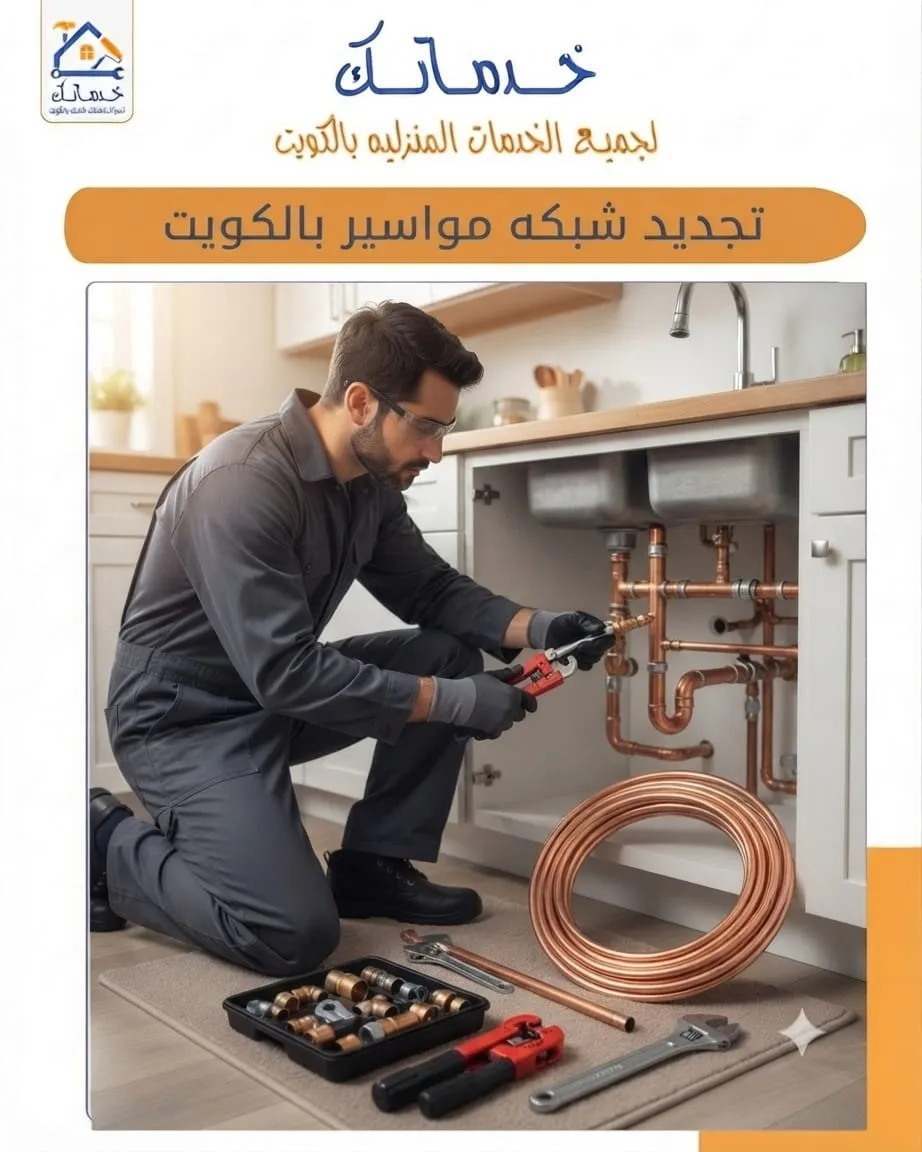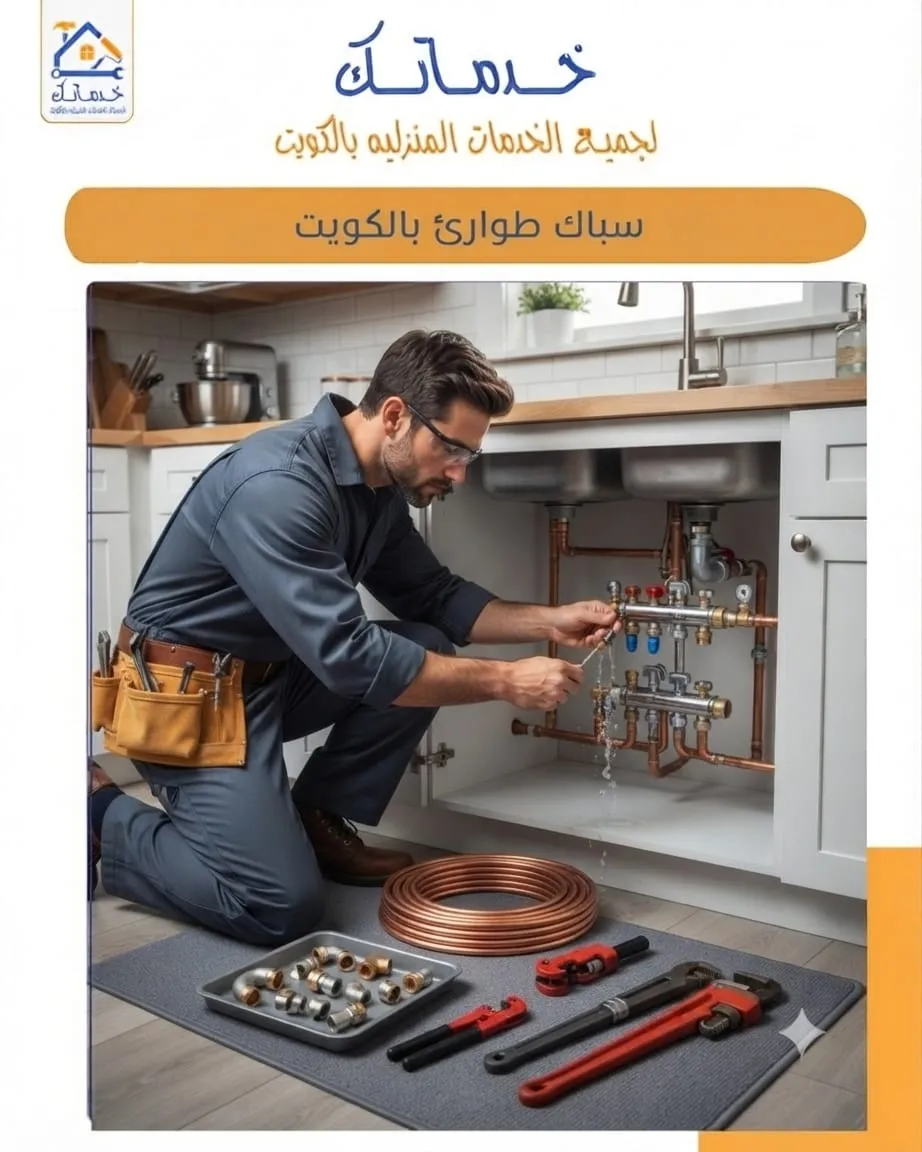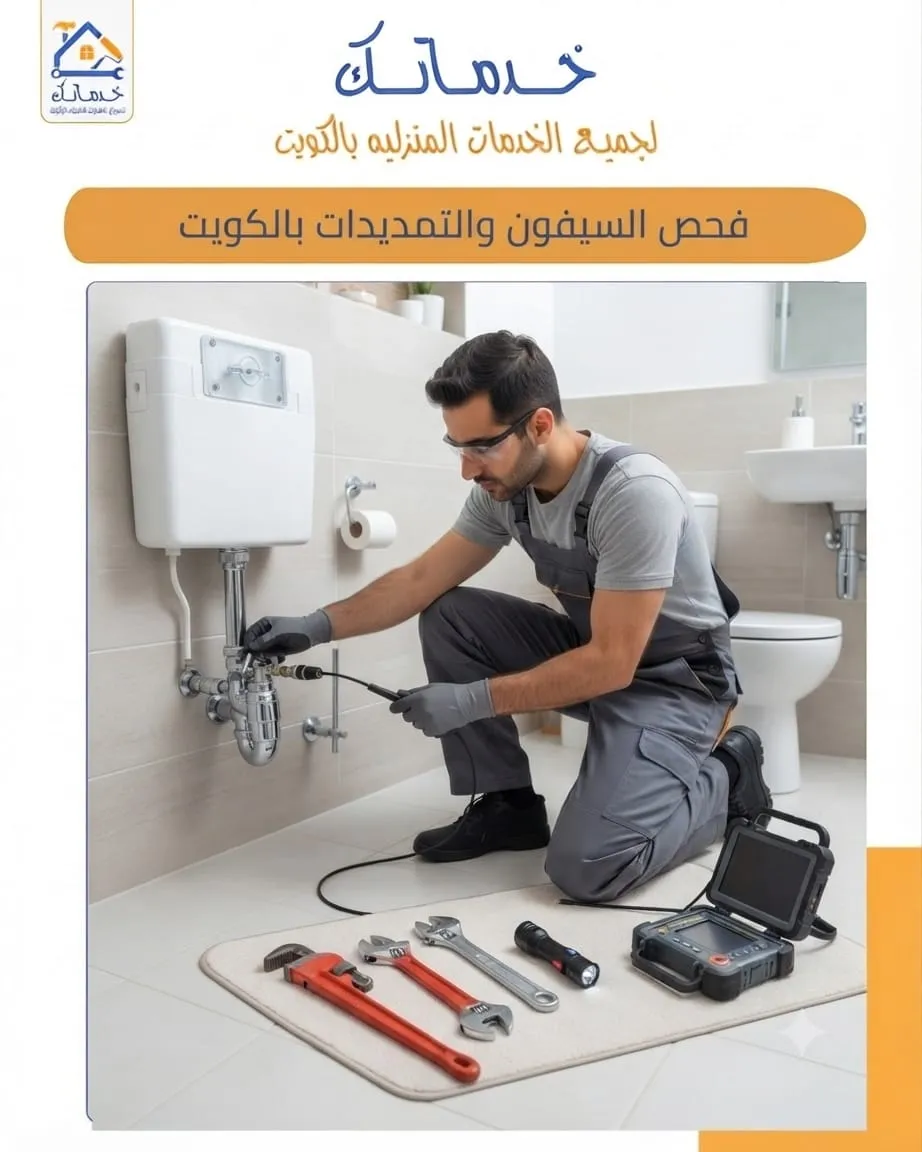
Installing a water meter is one of the most important steps in establishing a reliable water supply system for any home, villa, or residential building. However, successful installation involves much more than simply mounting the meter. It begins with designing a properly engineered water distribution network and completing every stage of the plumbing installation according to recognized technical standards. Extensive practical experience in new water meter installation in Kuwait has consistently demonstrated that many operational problems such as unstable water pressure, hidden leaks, inaccurate consumption readings, and repeated maintenance issues are often caused not by the meter itself but by improper pipeline installation or incorrect positioning during the initial setup. Professional installation therefore starts with comprehensive engineering planning, careful material selection, and complete system testing before the water network is placed into service, ensuring reliable operation, accurate measurement, and long-term performance for many years.
Why Does Installing a New Water Meter in Kuwait Require Comprehensive Planning Before Installation Begins?
Installing a new water meter in Kuwait requires detailed engineering preparation before the physical installation process begins because the water meter serves as the primary measurement and control point connecting the public water supply with the building's internal distribution network. Extensive practical experience designing and installing residential water supply systems throughout Kuwait has consistently demonstrated that long-term performance depends not only on the quality of the water meter itself but also on understanding the building's plumbing requirements, expected water demand, operating pressure, and future maintenance accessibility before installation begins. Professional technicians therefore start by conducting a complete site inspection that includes evaluating the incoming water supply, measuring operating pressure, reviewing the plumbing layout, determining expected water consumption, and verifying that pipe diameters match the projected flow requirements throughout the building. The installation location is then carefully selected to ensure easy meter reading, convenient maintenance access, and full compliance with engineering requirements governing water flow stability. Proper straight pipe distances before and after the meter are maintained to reduce hydraulic turbulence that could affect measurement accuracy, while corrosion-resistant fittings and durable connection materials are selected according to local operating conditions. Once installation has been completed, the entire water supply network undergoes comprehensive pressure testing followed by operational testing to verify accurate meter readings, stable water pressure, and complete elimination of leakage throughout every connection. Extensive practical experience throughout Kuwait consistently demonstrates that careful engineering planning before installation significantly reduces future maintenance requirements, preserves measurement accuracy, improves overall system reliability, and ensures stable water distribution from the first day of operation.
When Is Replacing an Old Water Meter with a Modern One the Most Economical Long-Term Decision?
Replacing an old water meter with a modern unit is often a financially sound engineering decision whenever the existing meter begins losing measurement accuracy, develops mechanical wear, suffers corrosion, or no longer satisfies the operational requirements of the current plumbing system. Extensive practical experience servicing residential water meters throughout Kuwait has consistently demonstrated that many aging meters continue operating externally while gradually producing inaccurate consumption readings because of internal mechanical wear, mineral buildup, or deterioration of measuring components accumulated over many years of continuous service. Professional technicians therefore begin by evaluating the existing meter through detailed performance testing that measures flow accuracy, response across different water consumption levels, and overall mechanical condition. The external body of the meter together with all surrounding plumbing connections is carefully inspected for corrosion, structural deterioration, leakage, or other conditions affecting reliable operation. Whenever engineering evaluation confirms that the existing meter no longer performs within acceptable accuracy limits, a modern replacement meter is selected according to building size, expected water demand, pipe diameter, and operating pressure requirements. The old meter is then carefully removed while all connection points are cleaned and worn seals or fittings are replaced with new high-quality components before installing the replacement meter according to manufacturer specifications regarding water flow direction and installation alignment. After installation has been completed, technicians perform comprehensive operational testing under realistic flow conditions to verify measurement accuracy, pressure stability, and leak-free performance throughout the entire installation. Extensive practical experience throughout Kuwait consistently demonstrates that replacing aging water meters at the appropriate time improves billing accuracy, increases overall system efficiency, minimizes future maintenance costs, and enhances the long-term reliability of the complete water distribution network.
How Are Water Meters Installed in New Homes According to Professional Engineering Standards?
Installing water meters in newly constructed homes requires every stage of the project to follow a comprehensive engineering plan beginning long before final construction is completed because the location of the water meter and its integration into the internal plumbing system directly influence future maintenance accessibility, water distribution efficiency, and long-term operational reliability. Extensive practical experience constructing residential water distribution systems throughout Kuwait has consistently demonstrated that planning the meter installation during the building design phase allows engineers to optimize pipeline routing, reduce unnecessary plumbing connections, minimize pressure losses, and significantly lower the likelihood of future leakage. Professional technicians therefore begin by identifying the primary connection point to the public water supply before installing the main service line using correctly sized piping designed to accommodate anticipated water consumption throughout the entire building. A dedicated meter location is then prepared where the equipment remains protected from environmental exposure while remaining easily accessible for reading, inspection, and maintenance. Isolation valves together with additional protective plumbing components are installed where required, while proper straight pipe distances before and after the water meter are maintained to preserve accurate flow measurement and hydraulic stability. After all installation work has been completed, the entire plumbing system undergoes comprehensive pressure testing, operational performance verification, inspection of every plumbing connection, confirmation of accurate meter readings, and complete leak detection before the system is approved for permanent service. Extensive practical experience throughout Kuwait consistently demonstrates that following these engineering principles during the initial construction phase produces highly reliable water distribution systems with longer operational lifespans, stable water pressure, reduced maintenance requirements, and consistently accurate water consumption measurement.
How Is a Water Meter Connected to the Main Water Supply Network While Maintaining Stable Water Pressure and Accurate Measurement?
Connecting a water meter to the main water supply network is one of the most technically critical stages of the entire installation because it forms the direct connection between the public water supply and the building's internal plumbing system. Any mistake during this phase may result in unstable water pressure, vibration within the pipeline, inaccurate consumption readings, or leakage that gradually develops over time. Extensive practical experience installing residential water supply systems throughout Kuwait has consistently demonstrated that successful connection depends on much more than simply placing the meter between two pipes. Professional installation begins with evaluating the pressure supplied by the public network, verifying that the main service pipe diameter matches the anticipated water demand of the property, and selecting durable fittings capable of withstanding continuous operating pressure for many years. Technicians then isolate the incoming water supply before preparing and cleaning every connection point to ensure perfect sealing while confirming that the service line remains completely aligned so the meter is not subjected to unnecessary mechanical stress that could reduce measurement accuracy. The water meter is carefully installed according to the manufacturer's specified flow direction while maintaining the recommended straight pipe distances before and after the meter to stabilize water movement through the measuring chamber. Isolation valves are installed on both sides of the meter to simplify future maintenance or replacement without interrupting water service throughout the remainder of the property. After installation has been completed, technicians gradually restore the water supply while performing progressive pressure testing, carefully inspecting every connection for leakage, monitoring pressure stability, and verifying that no vibration or abnormal hydraulic behavior exists anywhere within the system. Extensive practical experience throughout Kuwait consistently demonstrates that careful execution of these engineering procedures provides long-term pressure stability, preserves accurate water consumption measurement, and significantly extends the operational lifespan of both the water meter and the complete plumbing network.
Why Is Installing Water Supply Lines Before Mounting the Meter the Most Important Stage in Building an Efficient Water Distribution System?
Installing water supply lines before mounting the water meter establishes the true foundation of an efficient plumbing system because the quality of the pipeline network ultimately determines how effectively water flows from the public supply to every fixture throughout the building. Extensive practical experience designing residential plumbing systems throughout Kuwait has consistently demonstrated that many problems appearing years after construction—including weak water pressure, uneven distribution between different floors, recurring leaks, and excessive maintenance—often originate during pipeline installation rather than during the water meter installation itself. Professional engineers therefore begin by studying the complete architectural drawings together with anticipated water demand before selecting the shortest and most hydraulically efficient pipeline routes while minimizing unnecessary elbows and plumbing connections that create pressure loss during normal operation. Pipe diameters are selected according to engineering flow calculations, and high-quality piping materials capable of withstanding continuous operating pressure together with varying temperature conditions are installed using professional support systems that eliminate vibration and preserve structural stability inside walls and floors. Once every section of the plumbing network has been completed, comprehensive pressure testing is performed for an extended period to verify the integrity of every pipe and fitting before the water meter is installed. All plumbing connections are then inspected once again after the final installation stages have been completed to ensure complete system integrity. Extensive practical experience throughout Kuwait consistently demonstrates that giving proper engineering attention to this construction phase substantially reduces long-term maintenance costs, creates a more reliable plumbing network, and provides ideal operating conditions that allow the water meter to maintain highly accurate consumption measurements throughout its entire service life.
Why Is Installing the Main Water Shut-Off Valve Essential for Protecting the Water Distribution System and Simplifying Future Maintenance?
Installing the main water shut-off valve for the building is one of the most important safety components within any water supply network because it serves as the primary control point that allows the entire plumbing system to be isolated whenever maintenance, repairs, or emergency situations occur without affecting the external public water supply. Extensive practical experience constructing residential plumbing systems throughout Kuwait has consistently demonstrated that buildings lacking a properly installed main shut-off valve often experience significant difficulties whenever hidden leaks develop, water meters require replacement, or plumbing modifications become necessary. In many such situations, technicians are forced either to interrupt water service to large sections of the property or perform repairs while the plumbing system remains under pressure, increasing both repair complexity and the likelihood of additional damage. Professional installation therefore begins by evaluating the diameter of the main service line together with the expected operating pressure before selecting a high-quality shut-off valve manufactured from corrosion-resistant materials capable of withstanding continuous service for many years. The installation location is carefully chosen to provide immediate accessibility without requiring demolition or removal of finished building materials whenever future maintenance becomes necessary. The valve is securely mounted using professional installation techniques that minimize vibration transfer into the surrounding pipeline while maintaining complete structural stability throughout the plumbing network. After installation has been completed, technicians perform multiple operational tests by repeatedly opening and closing the valve while monitoring pressure stability, inspecting every connection for leakage, and confirming that the valve completely isolates the water supply whenever required. Extensive practical experience throughout Kuwait consistently demonstrates that properly installed main shut-off valves greatly simplify future maintenance operations, reduce the extent of water damage during emergency situations, improve overall plumbing system safety, and significantly extend the operational lifespan of the entire water distribution network.
How Is a Water Supply Network Designed for Villas to Ensure Balanced Water Distribution Throughout Every Floor?
Designing a water supply network for villas requires a much higher level of engineering planning than smaller residential buildings because villas typically include multiple floors, numerous bathrooms, kitchens, utility rooms, and various water consumption points that require balanced hydraulic distribution under different operating conditions. Extensive practical experience designing villa plumbing systems throughout Kuwait has consistently demonstrated that achieving consistent water pressure across every floor depends upon careful engineering calculations performed long before construction begins. Successful design therefore starts with analyzing the complete architectural layout together with the locations of water storage tanks, booster pumps, bathrooms, kitchens, irrigation systems, and every anticipated water consumption point throughout the property. Engineers then calculate projected water demand for every section of the villa before selecting pipe diameters capable of maintaining adequate flow rates while minimizing pressure loss across the entire distribution network. Pipeline routing is carefully optimized to reduce unnecessary distance while maintaining balanced hydraulic performance throughout every floor. Isolation valves are strategically distributed so individual sections of the plumbing system can be serviced independently without interrupting water supply to the remainder of the villa. High-quality pipes and plumbing fittings capable of withstanding long-term operating pressure are selected together with professionally engineered support systems that eliminate vibration and preserve structural stability inside walls and floors. Once construction has been completed, the entire water supply network undergoes comprehensive pressure testing followed by complete operational evaluation across every floor to verify equal water pressure, stable flow rates, and complete absence of leakage before the water meter is installed and permanent operation begins. Extensive practical experience throughout Kuwait consistently demonstrates that professionally engineered villa plumbing systems provide consistently balanced water distribution, reduce future maintenance requirements, improve user comfort, and deliver dependable long-term operational performance.
What Factors Determine the Cost of Installing a Water Meter in Kuwait?
Many homeowners ask about the cost of installing a water meter in Kuwait before beginning their plumbing project. However, extensive practical experience constructing residential water distribution systems has consistently demonstrated that installation costs are influenced by far more than the price of the water meter itself. Every project differs according to the existing plumbing conditions, the extent of preparation required, and the engineering complexity of the water supply network. Some buildings are already fully prepared for meter installation and require only the installation of the meter followed by operational testing, while others require new service lines, modifications to the existing plumbing network, replacement of outdated fittings and isolation valves, or complete reconstruction of the connection point linking the building to the public water supply. Professional technicians therefore begin every project with a comprehensive on-site engineering inspection that evaluates the condition of the existing plumbing system, measures operating water pressure, verifies pipe diameters, determines whether the current supply lines are suitable for the new meter, and identifies any additional construction work required before installation can begin. Other factors influencing installation cost include the total building size, the number of water consumption points, the selected meter type, the length of newly installed service lines, the quality of plumbing materials, and whether additional pressure testing or technical documentation is required following completion of the project. Whenever additional plumbing modifications or network upgrades become necessary, homeowners receive a complete engineering explanation describing every stage of the project before work begins so that all technical and financial requirements remain fully transparent. After installation has been completed, the entire plumbing system undergoes comprehensive operational testing to verify accurate consumption measurement, stable water pressure, and complete elimination of leakage throughout the distribution network. Extensive practical experience throughout Kuwait consistently demonstrates that engineering-based pricing provides fair installation costs while eliminating unnecessary construction work and delivering maximum long-term value through professional installation quality.
Why Is Hiring a Professional Water Meter Installation Technician the Most Important Factor in Project Success?
Choosing a professional water meter installation technician for residential properties is the single most important factor determining the long-term success of the entire water supply system because installing a water meter involves far more than simply mounting a measuring device onto the pipeline. Successful installation requires comprehensive engineering evaluation, professional planning, precision plumbing work, hydraulic testing, and complete system verification to ensure reliable operation for many years. Extensive practical experience installing residential water meters throughout Kuwait has consistently demonstrated that experienced specialists can identify potential problems before they become expensive failures, including incorrect pipe diameters, inadequate operating pressure, unsuitable installation locations, and hidden plumbing deficiencies that may not be immediately visible but have a direct impact on long-term system performance. Professional technicians therefore begin by thoroughly inspecting the complete water distribution network, analyzing projected water consumption, confirming compatibility between the plumbing system and the selected water meter, and determining the most appropriate installation procedure for achieving maximum measurement accuracy together with unrestricted water flow. Every plumbing connection, fitting, isolation valve, and supporting component is installed according to recognized engineering standards before comprehensive pressure testing and repeated operational evaluations are performed to verify complete system integrity. If any irregularity is identified during testing, corrective action is completed immediately before the installation is approved for permanent operation. Extensive practical experience throughout Kuwait consistently demonstrates that relying upon a qualified installation specialist significantly reduces future plumbing failures, preserves measurement accuracy, maintains stable water pressure, and provides homeowners with a highly reliable water distribution system from the very first day of operation.
How Are Residential Water Distribution Networks Constructed According to the Highest Engineering Standards?
Constructing residential water distribution networks requires comprehensive engineering planning beginning during the earliest stages of building design because the overall quality of the plumbing system ultimately determines water distribution efficiency, pressure stability, maintenance accessibility, and long-term operational reliability throughout the property. Extensive practical experience constructing residential plumbing systems throughout Kuwait has consistently demonstrated that properly engineered networks operate more efficiently, experience fewer failures, accommodate future building expansions more easily, and require significantly less maintenance than systems installed without detailed hydraulic planning. Professional engineers therefore begin by studying the complete architectural design together with the number of residential units, anticipated water demand, and the location of every plumbing fixture before designing both the primary and secondary distribution pipelines to achieve balanced water delivery while minimizing hydraulic pressure loss throughout the network. Pipe diameters are selected according to detailed engineering flow calculations, while premium-quality plumbing materials capable of withstanding continuous operating pressure together with long-term environmental exposure are incorporated throughout the system. Every pipeline is securely supported to eliminate vibration and maintain structural stability inside walls and floors, while strategically positioned isolation valves allow individual sections of the plumbing network to be serviced independently without interrupting water service to the remainder of the building. Once construction has been completed, the entire plumbing network undergoes comprehensive pressure testing before the water meter is installed and the complete system is placed into permanent operation. Extensive practical experience throughout Kuwait consistently demonstrates that plumbing systems constructed according to these engineering standards provide exceptional reliability, minimize leakage risks, maintain stable operating pressure, ensure highly accurate water meter performance, and deliver dependable service for many years with minimal maintenance requirements.
Conclusion
Installing a water meter is far more than a simple plumbing procedure designed to measure water consumption. It is a fundamental part of a complete water distribution system that begins at the connection point with the public water supply and extends to every water outlet throughout the building. Extensive practical experience in new water meter installation in Kuwait has consistently demonstrated that the long-term success of any installation depends on careful engineering planning, precise pipeline construction, proper material selection, and comprehensive pressure and operational testing before the system is placed into permanent service. When every stage is executed according to recognized engineering standards, the entire plumbing network operates more efficiently, water pressure remains stable, future leakage risks are significantly reduced, and maintenance requirements become far less frequent over the lifetime of the building.
Throughout this comprehensive guide, we explored every major aspect of new water meter installation in Kuwait, explained when replacing an old water meter with a modern unit becomes the most practical engineering solution, examined the professional procedures for installing water meters in newly constructed homes, described the correct methodology for connecting a water meter to the main water supply network, highlighted the engineering importance of installing water supply lines before mounting the meter, explained the protective role of installing the building's main water shut-off valve, discussed the professional principles behind designing water supply systems for villas, analyzed the engineering factors influencing the cost of water meter installation in Kuwait, demonstrated the value of hiring a professional residential water meter installation technician, and finally explained how residential water distribution networks are constructed according to the highest engineering standards to achieve reliable operation, stable pressure, accurate water measurement, and exceptional long-term performance.
Ultimately, investing in a professionally engineered water supply system from the very beginning significantly reduces future maintenance costs, preserves accurate water consumption measurement, protects every component of the plumbing network, and provides homeowners with a dependable water distribution system capable of delivering efficient performance for many years without requiring repeated modifications or emergency repairs.
Frequently Asked Questions
When do I need to install a new water meter?
A new water meter is typically installed when constructing a new home, villa, or residential building, establishing a new water supply network, or creating an independent water consumption measurement point for a specific property.
When should an old water meter be replaced?
An existing water meter should be replaced whenever it begins losing measurement accuracy, develops mechanical damage, suffers corrosion, or experiences repeated operational failures that affect water consumption measurement or the reliability of the plumbing system.
Can a new water meter be installed without replacing the existing plumbing network?
Yes. If the existing plumbing network remains in good technical condition and meets the engineering requirements of the new water meter, installation can usually proceed after completing professional inspection and pressure testing.
Why should a main shut-off valve be installed beside the water meter?
The main shut-off valve allows technicians to isolate the building's water supply during maintenance, repairs, or future meter replacement without interrupting service throughout the entire plumbing network while also improving overall system safety.
Does the installation location affect the accuracy of the water meter?
Yes. Selecting the correct installation location ensures stable water flow through the measuring chamber, minimizes hydraulic disturbances, improves measurement accuracy, and provides convenient access for future inspection and maintenance.
Why is pressure testing performed before placing the water meter into service?
Pressure testing verifies the integrity of every pipeline, fitting, and plumbing connection before permanent operation begins, allowing technicians to identify leaks or weak points before they develop into larger maintenance problems.
What factors determine the cost of water meter installation in Kuwait?
Installation costs depend upon the condition of the existing plumbing network, required pipeline modifications, meter type, service line length, plumbing materials, building characteristics, and whether additional engineering tests or documentation are required before completion.
Why should I hire a professional water meter installation technician?
Experienced specialists understand plumbing system design, proper installation procedures, hydraulic engineering principles, pressure testing, and operational verification, ensuring accurate measurement, stable water pressure, and long-term reliability.
Do newly constructed buildings always require new plumbing installations before the water meter is installed?
Yes. New residential buildings require professionally designed water supply pipelines before meter installation to ensure balanced water distribution, stable operating pressure, and efficient long-term performance throughout the entire plumbing system.
How do professionally installed plumbing systems extend the lifespan of the entire water supply network?
High-quality construction using properly sized piping, durable plumbing materials, accurate engineering calculations, secure installation methods, and comprehensive pressure testing minimizes leakage, preserves stable water pressure, protects the water meter, reduces maintenance requirements, and significantly extends the operational lifespan of the complete residential water distribution system.