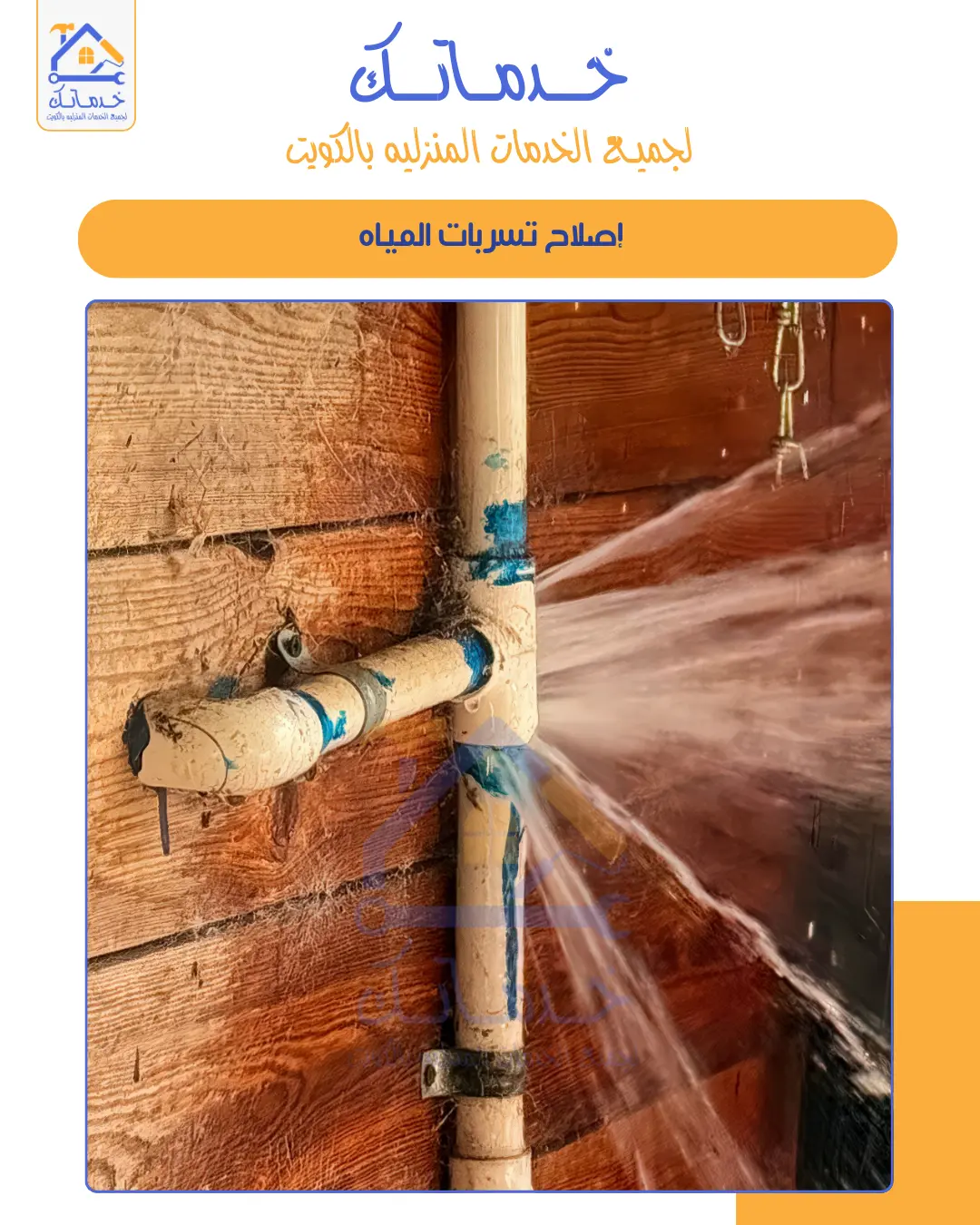
Hidden water leaks are among the most dangerous building problems because they often continue unnoticed for weeks or even months before visible signs such as damp walls, peeling paint, mold growth, rising water bills, or structural deterioration begin to appear. Extensive practical experience providing water leak detection without destructive demolition in Kuwait has consistently demonstrated that modern electronic detection technologies now make it possible to accurately locate hidden leaks without removing floor tiles, breaking walls, or damaging finished surfaces unnecessarily. Professional leak detection therefore begins with precise technical diagnosis followed by the careful selection of the most appropriate electronic inspection equipment to identify the true source of the leak. This engineering-based approach preserves the building, minimizes repair costs, shortens maintenance time, and allows repairs to focus only on the damaged area instead of relying on costly and unnecessary demolition.
Why Does Water Leak Detection Without Demolition in Kuwait Depend on Engineering Diagnosis Before Electronic Equipment Is Used?
Water leak detection without demolition in Kuwait follows a systematic engineering methodology that begins with studying the entire plumbing network before any electronic equipment is activated because successful leak detection depends not only on advanced technology but also on the professional interpretation of the information collected by that technology. Extensive practical experience detecting hidden leaks throughout residential properties and villas across Kuwait has consistently demonstrated that many moisture problems initially believed to be caused by water leakage are actually related to condensation, drainage defects, waterproofing failures, or external moisture infiltration. Accurate engineering diagnosis therefore prevents incorrect conclusions and unnecessary repair work. Professional technicians begin by reviewing available plumbing layouts whenever possible before measuring water pressure, evaluating household water consumption, inspecting every visible sign of moisture, and analyzing how dampness has spread throughout walls, ceilings, or flooring while simultaneously eliminating unrelated sources of moisture. Only after completing this engineering assessment do technicians select the most appropriate electronic detection technology whether acoustic listening equipment, thermal imaging cameras, moisture measurement instruments, or pressure testing systems because every technology serves a different engineering purpose depending upon the characteristics of the suspected leak. Multiple verification procedures are then performed instead of relying upon a single measurement before every reading is compared with the actual plumbing layout inside the building to accurately identify the true leak location. Once the inspection has been completed, technicians prepare a comprehensive engineering assessment explaining the exact leak location together with the most efficient repair strategy requiring the least possible structural intervention. Extensive practical experience throughout Kuwait consistently demonstrates that this engineering methodology significantly reduces diagnostic errors, protects finished building surfaces, shortens repair time, and delivers highly accurate leak detection results.
How Is the Exact Location of a Water Leak Identified Using Modern Electronic Detection Equipment Without Damaging Building Finishes?
Identifying the exact location of a water leak using modern electronic detection equipment has become one of the most accurate methods available in professional building maintenance because it allows hidden leaks inside walls, floors, and structural elements to be located without removing ceramic tiles, demolishing concrete, or damaging finished architectural surfaces. Extensive practical experience detecting hidden plumbing leaks throughout Kuwait has consistently demonstrated that modern electronic equipment operates by analyzing acoustic vibrations, thermal variations, moisture distribution, and pressure changes occurring inside water supply systems, allowing technicians to accurately pinpoint the precise location where water escapes even when the entire plumbing network remains completely concealed. Professional technicians therefore begin by performing comprehensive pressure testing of the plumbing system before gradually scanning every suspected area using the most appropriate electronic instruments while recording measurements from multiple locations for comparison and verification. Moisture detection devices evaluate the spread of hidden water inside structural walls while thermal imaging cameras identify temperature differences created by concealed water movement behind finished surfaces. Highly sensitive acoustic listening equipment simultaneously detects the characteristic sound generated by pressurized water escaping through damaged pipes hidden beneath floors or inside walls. Once a probable leak location has been identified, technicians always verify the results using an additional detection technology before recommending any repair work. Extensive practical experience throughout Kuwait consistently demonstrates that this multi-stage engineering methodology minimizes unnecessary demolition, preserves valuable architectural finishes, substantially reduces repair time, and provides homeowners with highly accurate technical diagnosis before any maintenance work begins.
How Can Water Leaks Hidden Inside Walls Be Detected Without Demolition While Preserving the Structural Integrity of the Building?
Detecting water leaks hidden inside walls without demolition requires detailed engineering understanding of how water travels through construction materials because moisture frequently migrates significant distances away from the actual leak source before becoming visible on interior wall surfaces. Extensive practical experience detecting concealed plumbing leaks throughout Kuwait has consistently demonstrated that visible damp areas rarely appear directly above the damaged pipe. Instead, water commonly travels through concrete cavities, plaster layers, insulation materials, or structural joints before eventually emerging in entirely different locations. Professional technicians therefore begin by measuring moisture content throughout multiple surrounding wall sections before combining thermal imaging technology with electronic acoustic listening devices while carefully comparing all collected information against the actual routing of concealed plumbing lines. Water pressure testing is simultaneously performed to determine whether the leak remains active or occurs intermittently while engineers eliminate the possibility of external moisture intrusion or drainage-related defects. After accurately identifying the true source of leakage, technicians develop a repair strategy specifically targeting only the damaged section of the plumbing system without disturbing surrounding walls, decorative finishes, or structural components. Extensive practical experience throughout Kuwait consistently demonstrates that this highly specialized engineering methodology dramatically reduces unnecessary demolition, preserves structural integrity, minimizes restoration costs following repairs, and provides accurate solutions based on scientific diagnosis rather than guesswork.
Why Is an Electronic Water Leak Detection Device for Homes and Villas More Accurate Than Traditional Leak Detection Methods?
An electronic water leak detection device for homes and villas has become one of the most valuable tools available to specialized technicians because it provides exceptional accuracy when locating hidden leaks without removing ceramic flooring, breaking walls, or damaging finished architectural surfaces as was commonly required with traditional inspection methods. Extensive practical experience detecting concealed water leaks throughout Kuwait has consistently demonstrated that conventional approaches often depended on visual estimation or random demolition until the damaged pipe was eventually discovered, resulting in unnecessary structural damage, significantly higher repair costs, and extended maintenance periods without guaranteeing that the true leak location would be found during the first attempt. Modern electronic detection equipment, however, relies on multiple advanced technologies including acoustic signal analysis, pressure variation monitoring, thermal imaging, and moisture measurement inside structural building components. These technologies progressively narrow the inspection area until the precise leak location can be accurately identified. Professional technicians therefore begin by evaluating the plumbing system before selecting the most appropriate electronic detection equipment according to the pipe material, plumbing layout, and construction characteristics of the property. Comprehensive electronic scanning is then carried out throughout every suspected area while measurements are collected from numerous locations for detailed comparison and verification. Every electronic reading is carefully matched against the actual routing of concealed plumbing lines to eliminate diagnostic errors before a secondary verification method is used to confirm the exact leak location. Extensive practical experience throughout Kuwait consistently demonstrates that modern electronic leak detection equipment dramatically reduces unnecessary demolition, protects valuable architectural finishes, shortens repair time, and delivers substantially greater diagnostic accuracy than traditional leak detection techniques based largely upon estimation.
How Can Bathroom Water Leaks Be Detected Without Removing Ceramic Tiles?
Detecting bathroom water leaks without removing ceramic tiles requires comprehensive engineering understanding of both plumbing installations and waterproofing systems because hidden leakage may originate from water supply pipes, drainage systems, waterproof membranes beneath the flooring, or plumbing fixtures themselves, with each situation requiring a completely different diagnostic procedure. Extensive practical experience detecting concealed bathroom leaks throughout Kuwait has consistently demonstrated that removing ceramic tiles before accurately locating the leak frequently results in unnecessary demolition while modern electronic inspection technologies allow technicians to identify the true source of the problem without disturbing finished surfaces. Professional technicians therefore begin by carefully inspecting every sanitary fixture inside the bathroom before conducting pressure tests throughout the water supply network and using advanced moisture detection equipment to identify hidden water accumulation within walls and beneath flooring. Thermal imaging cameras are then employed to identify temperature variations produced by concealed water movement beneath ceramic tiles while drainage systems are tested whenever necessary to determine whether the problem originates from wastewater piping or waterproofing deficiencies rather than the domestic water supply system. Once every inspection result has been collected, technicians carefully analyze and compare all electronic measurements with the actual plumbing layout to determine the precise leak location before recommending any repair work. Extensive practical experience throughout Kuwait consistently demonstrates that this engineering methodology preserves ceramic flooring, substantially shortens maintenance time, eliminates unnecessary reconstruction costs, and provides highly accurate technical diagnosis that permanently resolves the underlying plumbing problem rather than merely addressing visible moisture symptoms.
How Can Kitchen Water Leaks Be Detected Without Breaking Floor Surfaces While Preserving Interior Finishes?
Detecting kitchen water leaks without breaking floor surfaces requires exceptionally accurate engineering analysis because kitchens contain complex plumbing systems consisting of water supply lines, drainage pipes, concealed plumbing connections, and utility installations located beneath flooring, behind cabinetry, and inside structural walls. Extensive practical experience detecting concealed kitchen leaks throughout Kuwait has consistently demonstrated that swelling cabinets, moisture beneath kitchen units, or damp flooring frequently originate from hidden plumbing failures located far from the visible area where water damage eventually appears. Water often travels beneath structural concrete, waterproof membranes, or floor finishes before emerging in completely different locations. Professional technicians therefore begin by thoroughly inspecting cold water lines, hot water pipes, and kitchen drainage systems before measuring water pressure and using advanced acoustic listening devices, thermal imaging cameras, and electronic moisture detection equipment to accurately identify areas where concealed water accumulation exists. Every plumbing connection serving kitchen sinks, dishwashers, faucets, water filters, and additional fixtures is carefully inspected while electronic findings are compared with the actual plumbing layout beneath the kitchen floor to determine the precise location of the hidden leak without dismantling cabinets or damaging finished flooring. Once the damaged section has been accurately identified, technicians prepare a highly targeted repair plan affecting only the defective area while preserving all surrounding architectural finishes. Extensive practical experience throughout Kuwait consistently demonstrates that this engineering approach significantly shortens repair time, prevents unnecessary demolition, reduces restoration costs, and provides homeowners with highly accurate leak diagnosis based upon advanced technology rather than destructive exploratory work.
Why Is an Approved Technical Report for Water Leak Detection Important Before Repair Work Begins?
An approved technical report for water leak detection is an essential part of professional leak diagnosis because it documents the inspection findings in a clear and technically accurate manner while identifying the precise location of the leak, its engineering cause, the extent of its impact on the building, and the most appropriate repair strategy. Extensive practical experience detecting hidden water leaks throughout Kuwait has consistently demonstrated that many homeowners require an officially prepared technical report not only to guide repair work but also to submit to insurance providers, verify abnormal water consumption, document the building's condition, or define the exact scope of maintenance before contracting repair services. Professional technicians therefore prepare comprehensive engineering documentation that includes plumbing pressure test results, electronic detection measurements, moisture distribution analysis, accurate identification of the hidden leak location, and detailed technical evaluation of the affected pipes, plumbing connections, waterproofing systems, or structural components. The report also includes engineering recommendations explaining the most appropriate repair procedures while identifying whether the problem requires localized repair, partial replacement of plumbing lines, or more extensive maintenance. Every conclusion presented within the report is supported by documented electronic measurements, inspection data, and engineering analysis to ensure complete technical reliability. Before the report is delivered, all findings undergo careful review and verification to confirm their accuracy and consistency with the inspection results. Extensive practical experience throughout Kuwait consistently demonstrates that professionally prepared technical reports provide reliable engineering documentation, simplify repair planning, eliminate unnecessary demolition and maintenance work, strengthen confidence in the diagnostic process, and enable homeowners to make informed decisions based upon scientifically verified inspection results.
What Factors Determine the Cost of Water Leak Detection Without Demolition in Kuwait?
Many property owners ask about the cost of water leak detection without demolition in Kuwait before requesting inspection services. Extensive practical experience in professional leak detection has consistently demonstrated that inspection costs are influenced by several engineering factors rather than simply the size of the building because every leak presents unique technical challenges requiring different diagnostic procedures and specialized equipment. Some leaks can be identified relatively quickly while others require multiple electronic inspection devices together with repeated verification procedures before the concealed leak hidden inside walls, floors, or ceilings can be accurately located. Professional technicians therefore begin every project by carefully inspecting the property, evaluating the visible symptoms, identifying the plumbing system configuration, determining the number of areas requiring investigation, analyzing the complexity of concealed pipe routing, measuring system pressure, and performing preliminary engineering tests before selecting specialized electronic leak detection equipment. Additional cost considerations include total building area, the number of bathrooms and kitchens, construction materials, accessibility of concealed plumbing systems, and whether an officially approved technical report is required after inspection. Whenever engineering diagnosis identifies more than one hidden leak, technicians fully explain every inspection stage and the technical reasons behind additional testing before proceeding with the investigation. Once inspection has been completed, homeowners receive highly accurate diagnostic findings identifying the true leak location together with the most efficient repair strategy requiring minimal structural intervention. Extensive practical experience throughout Kuwait consistently demonstrates that engineering-based pricing provides fair inspection costs, prevents unnecessary demolition, and significantly reduces future repair expenses through accurate diagnosis.
Why Is Hiring a Specialist in Hidden Water Leak Detection the Best Choice?
Choosing a specialist in hidden water leak detection is one of the most important factors determining the success of the entire inspection process because even the most advanced electronic detection equipment cannot produce reliable results unless operated by an experienced technician capable of correctly interpreting every engineering measurement. Extensive practical experience detecting concealed plumbing leaks throughout Kuwait has consistently demonstrated that many inaccurate diagnoses occur because technicians rely upon a single electronic reading or use inappropriate equipment for the specific type of leak being investigated. Such mistakes often result in repairs being performed in completely unaffected areas while the actual hidden leak remains unresolved. Professional specialists therefore begin every inspection by thoroughly studying the entire building before determining the proper sequence of engineering tests and selecting the most appropriate combination of acoustic listening equipment, thermal imaging systems, moisture measurement devices, and pressure testing instruments according to the characteristics of the suspected leak. Every electronic measurement is analyzed collectively rather than independently while the inspection findings are carefully compared with the actual plumbing layout concealed inside the structure to achieve the highest possible diagnostic accuracy. Once the precise leak location has been identified, the technician provides the homeowner with a complete engineering explanation describing the condition of the plumbing system together with the most appropriate repair strategy before any structural work begins. Extensive practical experience throughout Kuwait consistently demonstrates that relying upon a specialized hidden leak detection technician significantly improves diagnostic accuracy, protects valuable building finishes, shortens repair time, and prevents unnecessary demolition together with the additional expenses associated with inaccurate plumbing diagnosis.
How Can Hidden Water Leaks Inside Walls Be Permanently Solved?
Permanently solving hidden water leaks inside walls requires correcting the actual source of the leakage rather than simply covering visible damp areas or repainting damaged walls because cosmetic repairs alone cannot eliminate the underlying plumbing defect. Extensive practical experience detecting and repairing concealed water leaks throughout Kuwait has consistently demonstrated that moisture, peeling paint, mold growth, and wall deterioration will inevitably return if the damaged pipe, plumbing connection, or waterproofing failure remains untreated regardless of the quality of the finishing work. Professional technicians therefore begin by conducting comprehensive electronic leak detection to accurately identify the precise location of the hidden leak before evaluating the extent of its impact on the plumbing system and surrounding building structure. Once the source has been confirmed, engineers determine the most appropriate repair method according to the condition of the affected pipes, fittings, valves, or waterproofing materials. If the problem originates from a damaged plumbing connection, only the defective fitting is replaced with a genuine high-quality component. If corrosion, pipe deterioration, or waterproofing failure is responsible, the damaged section alone is repaired or replaced while preserving as much of the surrounding building structure as possible. After all repair work has been completed, the entire plumbing network undergoes comprehensive pressure testing together with a final electronic inspection to verify that no additional hidden leaks remain anywhere within the system. Extensive practical experience throughout Kuwait consistently demonstrates that this engineering methodology permanently eliminates concealed water leaks, protects structural components from long-term moisture damage, prevents the return of dampness and mold, and significantly reduces future maintenance expenses by correcting the true source of the problem rather than merely treating its visible effects.
Conclusion
Hidden water leaks should never be ignored, regardless of how minor they initially appear, because continuous water leakage inside walls, floors, or ceilings gradually weakens building materials, encourages mold growth, increases water consumption, damages decorative finishes, and may eventually affect structural elements if left unresolved for extended periods. Extensive practical experience providing water leak detection without demolition in Kuwait has consistently demonstrated that successful repair always begins with accurate engineering diagnosis performed using advanced electronic inspection technologies rather than relying on unnecessary demolition that increases repair costs without guaranteeing accurate identification of the true leak location.
Throughout this comprehensive guide, we examined water leak detection without demolition in Kuwait, explained how the exact location of hidden water leaks is identified using modern electronic detection equipment, discussed professional methods for detecting water leaks hidden inside walls without demolition, highlighted the importance of electronic water leak detection devices for homes and villas, described how bathroom leaks can be detected without removing ceramic tiles, explained the engineering methodology behind detecting kitchen water leaks without breaking floor surfaces, discussed the value of approved technical reports for water leak detection, analyzed the engineering factors determining the cost of water leak detection without demolition in Kuwait, demonstrated why hiring a specialist in hidden water leak detection provides superior diagnostic accuracy, and finally explained the correct engineering approach for permanently solving hidden water leaks inside walls by addressing the true cause instead of merely concealing visible moisture damage.
Ultimately, combining advanced electronic detection technologies with extensive engineering experience provides the highest level of diagnostic accuracy while preserving building finishes and minimizing unnecessary demolition. Early intervention whenever the first signs of hidden leakage appear protects the structural integrity of the property, significantly reduces repair expenses, and prevents relatively minor plumbing problems from developing into costly structural damage in the future.
Frequently Asked Questions
How is water leak detection performed without demolition?
Professional technicians use advanced electronic technologies including acoustic listening devices, thermal imaging cameras, moisture meters, and plumbing pressure tests to accurately identify hidden leaks without removing floor tiles or breaking walls.
Can the exact location of a hidden leak inside a wall be identified accurately?
Yes. When modern electronic detection equipment is used by experienced specialists, concealed leaks inside walls, floors, and ceilings can be located with a very high level of accuracy before any repair work begins.
Do all hidden water leaks require demolition?
No. In most situations, advanced electronic inspection technologies accurately identify the leak location, allowing demolition to be limited only to the small area directly surrounding the damaged plumbing component whenever access becomes necessary.
What is the difference between electronic leak detection equipment and traditional detection methods?
Modern electronic equipment relies on scientific measurements including acoustic analysis, thermal imaging, pressure testing, and moisture detection, whereas traditional methods often depend upon visual estimation and unnecessary exploratory demolition.
Can bathroom water leaks be detected without removing ceramic tiles?
Yes. Specialized electronic inspection equipment can evaluate plumbing systems, waterproofing layers, and concealed moisture beneath ceramic flooring without removing finished surfaces in the majority of cases.
Is an approved technical report provided after the inspection?
Yes. Professional leak detection services can provide a comprehensive technical report documenting inspection findings, leak location, engineering analysis, and recommended repair procedures according to the requirements of each individual case.
What factors influence the cost of water leak detection services?
Inspection costs depend upon building size, plumbing complexity, the number of areas requiring investigation, the electronic technologies used during inspection, and whether an officially approved engineering report is required.
Why should I hire a specialist in hidden water leak detection?
Experienced specialists correctly interpret electronic inspection data, select the most appropriate detection technologies, compare diagnostic findings with the actual plumbing layout, and accurately identify the true leak source while avoiding unnecessary demolition.
Can hidden water leaks damage the building?
Yes. Hidden leaks may eventually cause deteriorating plaster, peeling paint, mold growth, waterproofing failure, increased water consumption, and long-term structural damage if they remain untreated.
When should I request professional water leak detection services?
Professional inspection should be requested immediately after noticing unusually high water bills, unexplained damp areas, peeling paint, persistent musty odors, or the sound of running water inside walls because early detection minimizes repair costs and prevents more serious structural damage.