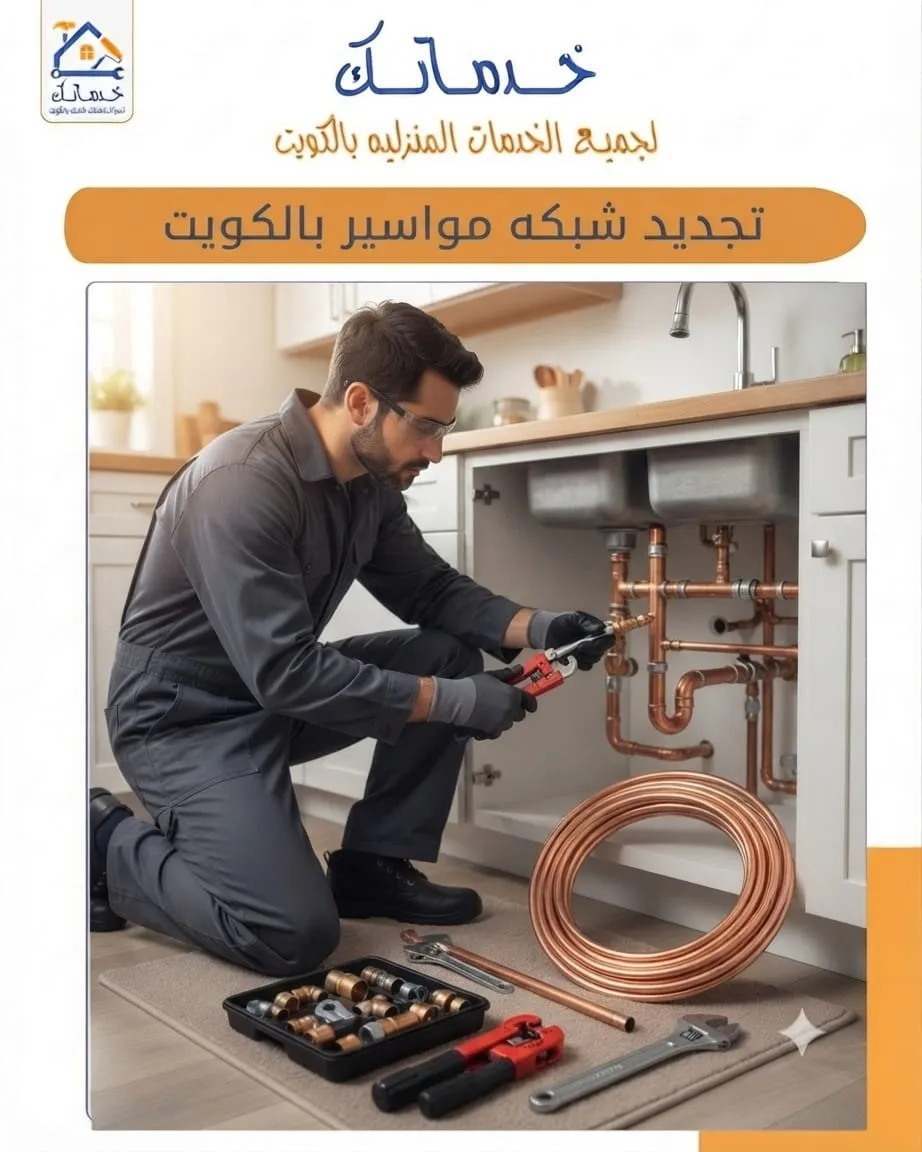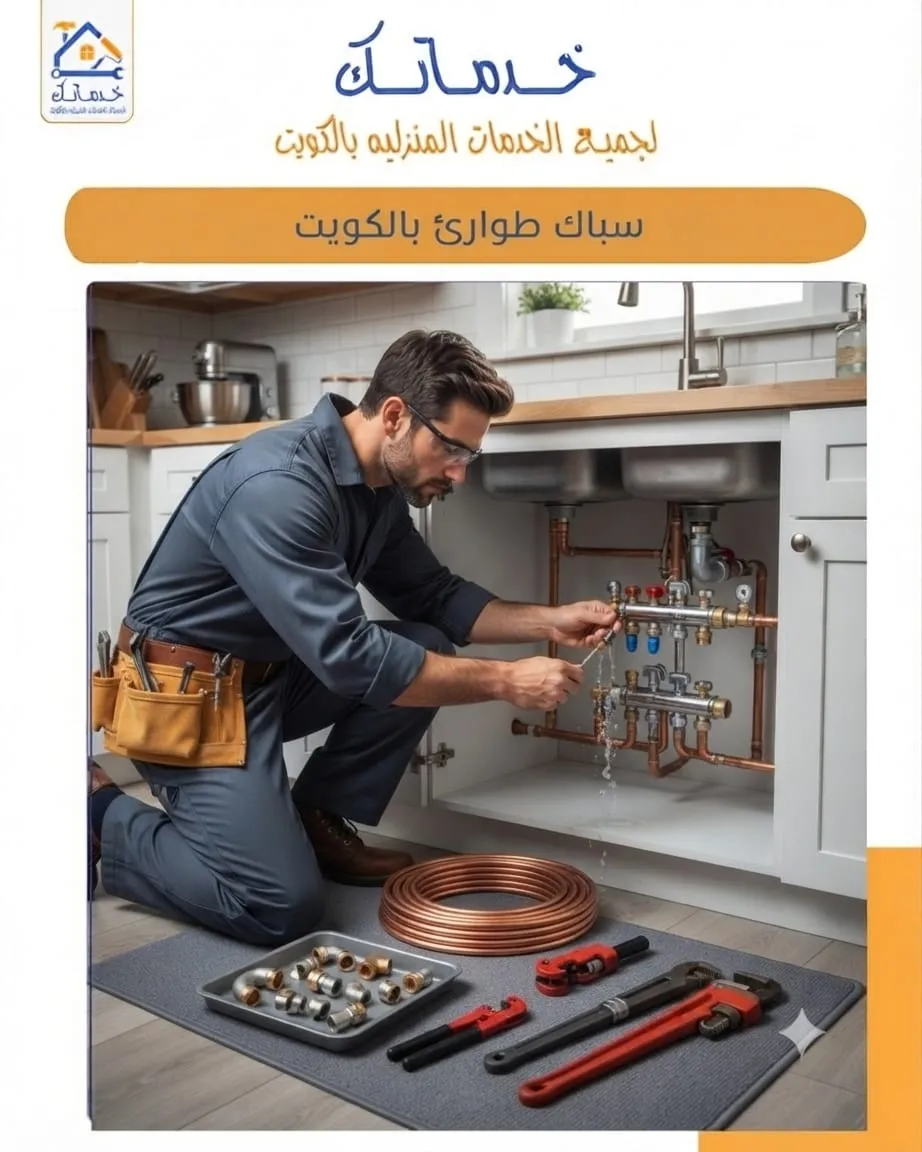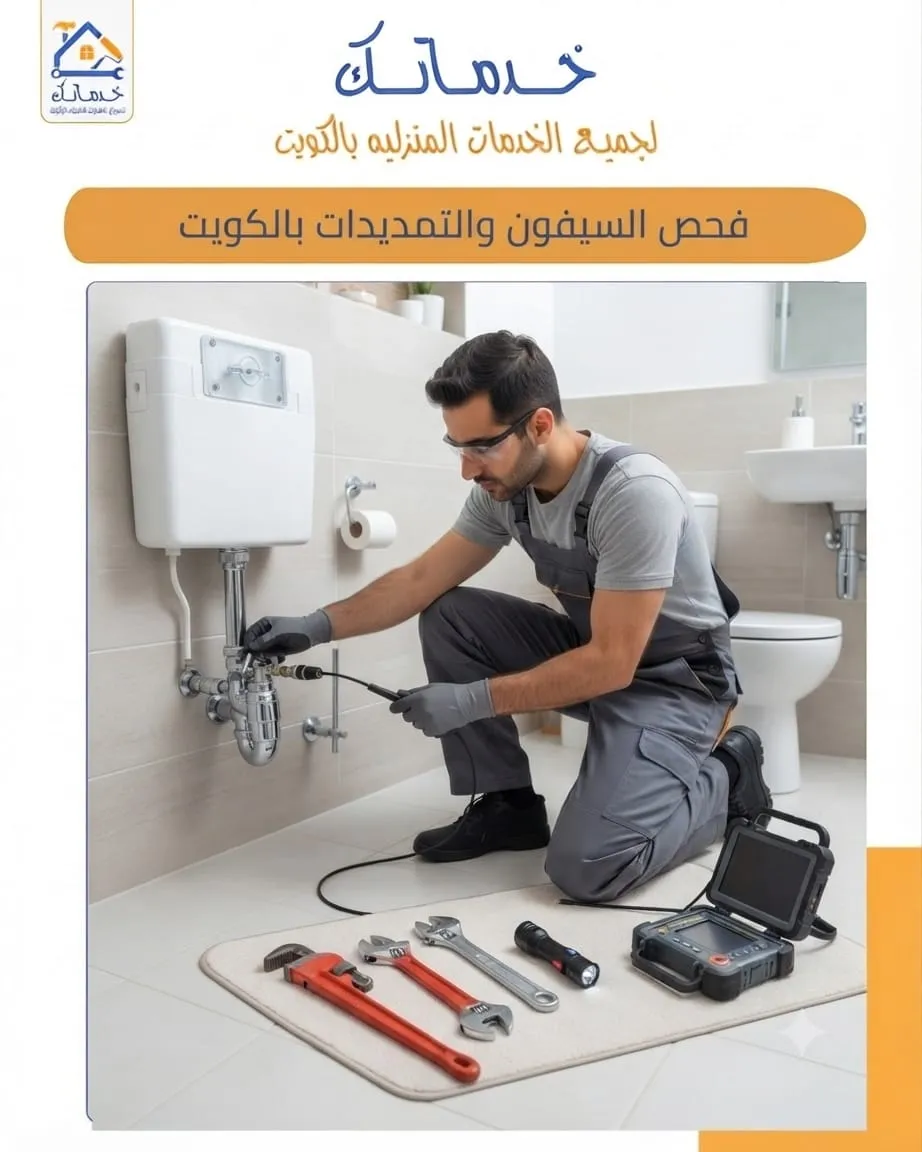
A faulty toilet flush system or flushing cistern is one of the household plumbing problems that quickly becomes inconvenient because it directly affects everyday use while often causing continuous water waste, weak flushing performance, or water flowing into the toilet bowl without stopping. Extensive practical experience repairing toilets and flushing cisterns throughout Kuwait has consistently demonstrated that most of these problems can be resolved quickly once the true engineering cause has been accurately diagnosed. Whether the fault originates from the fill valve, flush valve, float mechanism, internal seals, operating mechanism, or another internal component, professional repair focuses on restoring the entire flushing system rather than simply correcting the visible symptom. Proper repair ensures reliable flushing performance, reduces unnecessary water consumption, extends the lifespan of the flushing mechanism, and prevents the same problem from returning in the future.
Why Does Repairing a Toilet Flush That Stops Working Require Accurate Engineering Diagnosis Before Repairs Begin?
Repairing a toilet flush that no longer works properly requires comprehensive engineering diagnosis before replacing any internal component because identical flushing problems may originate from several completely different mechanical failures. Extensive practical experience repairing toilet flushing systems throughout Kuwait has consistently demonstrated that many homeowners assume the problem is limited to the flush button or float valve, while the actual engineering fault often lies within the flush valve assembly, damaged operating components, mineral deposits restricting internal movement, or deterioration affecting the complete flushing mechanism. Professional plumbers therefore begin by opening the flushing cistern and carefully inspecting every internal component including the float valve, fill valve, flush valve, operating mechanism, linkage assemblies, sealing washers, and internal water level adjustment system. Water levels inside the cistern are measured while the filling cycle, flushing cycle, and complete operating sequence are carefully evaluated. Internal components are inspected for mineral scale, corrosion, mechanical wear, or movement restrictions capable of reducing flushing performance. Whenever engineering diagnosis identifies multiple mechanical defects, every contributing problem is repaired during the same service visit rather than correcting only the most visible fault. Following completion of repairs, the flushing mechanism undergoes repeated operational testing while technicians observe complete filling and flushing cycles to verify stable operation, correct water levels, reliable flushing performance, and complete restoration of the system. Extensive practical experience throughout Kuwait consistently demonstrates that accurate engineering diagnosis significantly reduces recurring plumbing failures, eliminates unnecessary replacement of functional components, minimizes repair costs, and ensures dependable long-term performance of the entire toilet flushing system.
How Can a Bathroom Flushing Cistern Be Professionally Repaired Without Replacing the Entire Unit?
Many homeowners believe that repairing a bathroom flushing cistern automatically requires replacing the entire cistern once flushing performance declines or water continues flowing into the toilet bowl. However, extensive practical experience repairing residential toilet systems throughout Kuwait has consistently demonstrated that most flushing cistern problems can be completely resolved by replacing only the damaged internal component while preserving the original cistern. Professional plumbers therefore begin by removing the cistern cover before carefully inspecting every internal mechanism including the fill valve, flush valve, float assembly, operating lever or push button, sealing washers, rubber gaskets, and every mechanical operating component. Mineral deposits that interfere with smooth mechanical movement are thoroughly removed while the internal water level is accurately adjusted according to manufacturer specifications to prevent both weak flushing performance and unnecessary water consumption. Whenever engineering inspection confirms that one or more internal components have reached the end of their operational lifespan, genuine original replacement parts fully compatible with the cistern model are installed before the complete flushing mechanism is carefully reassembled. After repairs have been completed, the flushing system undergoes repeated operational testing to verify proper flushing force, rapid cistern refilling, stable water level regulation, and complete elimination of internal water leakage. Extensive practical experience throughout Kuwait consistently demonstrates that repairing the flushing cistern instead of replacing it whenever technically appropriate provides substantial financial savings, preserves the original toilet installation, restores full flushing efficiency, and eliminates the need for unnecessary plumbing reconstruction.
When Is Replacing the Flush Tank Float Valve with a Genuine Original Component the Correct Solution?
Replacing the flush tank float valve with a genuine original component is one of the most common plumbing maintenance procedures because the float mechanism is responsible for regulating the water level inside the flushing cistern while automatically stopping incoming water once the correct operating level has been reached. Extensive practical experience servicing flushing cisterns throughout Kuwait has consistently demonstrated that float valve failure frequently causes continuous water inflow, insufficient water storage for proper flushing, or excessive water consumption that often remains unnoticed until utility bills increase significantly. Professional plumbers therefore begin by carefully inspecting float movement, adjustment mechanisms, fill valve operation, and every related mechanical component while verifying that mineral deposits, corrosion, or mechanical deterioration are not restricting normal operation. Whenever engineering diagnosis confirms that the float valve has become damaged, worn, cracked, or mechanically unreliable, it is replaced with a genuine original component specifically matched to the flushing cistern model before accurately adjusting the operating water level according to manufacturer specifications. Following installation, the complete flushing mechanism undergoes repeated operational testing to verify proper cistern filling, automatic water shutoff, stable water level regulation, powerful flushing performance, and complete elimination of unnecessary water waste. Extensive practical experience throughout Kuwait consistently demonstrates that installing genuine original float valves significantly improves long-term operating stability, minimizes recurring plumbing failures, preserves flushing efficiency, and reduces household water consumption through accurate water level control.
How Is Water Leakage from a Toilet Flush System Professionally Repaired to Prevent the Problem from Returning?
Repairing water leakage from a toilet flush system requires identifying the exact source of the leak before beginning any repair because water may leak continuously from inside the flushing cistern into the toilet bowl, from external plumbing connections, or through worn internal sealing components, with each situation requiring a different engineering solution. Extensive practical experience servicing residential toilet systems throughout Kuwait has consistently demonstrated that continuous leakage not only wastes large quantities of water every day but also significantly increases household water bills while often remaining unnoticed until consumption becomes unusually high. Professional plumbers therefore begin by inspecting the flush valve together with its sealing gasket, evaluating the fill valve, float mechanism, water level adjustment, and every plumbing connection while also checking the cistern body for hidden cracks or structural damage. Mineral deposits that prevent proper sealing are completely removed while incoming water pressure is evaluated to verify that excessive pressure is not interfering with normal operating cycles. Whenever engineering inspection confirms that any internal component has deteriorated, genuine original replacement parts fully compatible with the flushing cistern are professionally installed before the water level is accurately adjusted according to manufacturer specifications. After repairs have been completed, the flushing system undergoes repeated operational testing to verify complete elimination of leakage while ensuring that water flow immediately stops once the flushing cycle has finished. Extensive practical experience throughout Kuwait consistently demonstrates that correcting the actual engineering cause of water leakage permanently eliminates unnecessary water waste, restores flushing efficiency, protects the complete toilet system, and significantly reduces the likelihood of recurring plumbing failures.
Why Does Repairing a Toilet with Weak Flushing Require Complete Inspection of the Entire Flushing System?
Repairing a toilet that suffers from weak flushing performance requires complete inspection of the entire flushing system rather than examining only the toilet itself because poor flushing may result from insufficient water inside the flushing cistern, malfunctioning flush valves, partial blockages within water outlets, or mineral deposits restricting water flow through the flushing channels. Extensive practical experience repairing household plumbing systems throughout Kuwait has consistently demonstrated that many homeowners incorrectly assume weak flushing is caused by drain blockage when the true engineering problem actually originates inside the flushing cistern. Professional plumbers therefore begin by measuring the water level inside the cistern before evaluating flush valve performance, float adjustment, fill valve operation, and every internal flushing component while carefully inspecting the toilet rim outlets for mineral buildup capable of reducing water flow. The household drainage system is also examined whenever necessary to verify that weak flushing is not associated with partial sewer line restrictions. Whenever engineering diagnosis identifies multiple contributing factors, every problem is corrected during the same repair visit whether by cleaning flushing channels, adjusting water levels, replacing worn flush valves, or repairing additional defective internal components. Following completion of repairs, the toilet undergoes repeated operational testing under normal household conditions to verify strong flushing performance, rapid cistern refilling, stable operation, and consistent wastewater removal. Extensive practical experience throughout Kuwait consistently demonstrates that this comprehensive engineering approach completely restores flushing performance, prevents recurring drainage complaints, and maintains reliable long-term operation of both the toilet and the household drainage system.
When Is Replacing the Entire Flush Tank Operating Mechanism Better Than Repairing Individual Components?
Replacing the complete flush tank operating mechanism becomes the most effective engineering solution whenever internal mechanical components have deteriorated because of long-term use, corrosion, repeated failures, or structural wear that makes repairing individual parts technically impractical or economically inefficient. Extensive practical experience maintaining flushing cisterns throughout Kuwait has consistently demonstrated that many older toilet models contain operating mechanisms for which genuine replacement components are no longer readily available. In these situations, repairing one worn component frequently results in another aging component failing shortly afterward because the remaining parts have already reached the end of their operational lifespan. Professional plumbers therefore begin by carefully inspecting the complete flushing assembly including the fill valve, flush valve, float mechanism, operating linkage, push button or lever, sealing washers, and every internal connection while evaluating the overall structural condition of the flushing cistern itself. Whenever engineering diagnosis confirms that the operating mechanism has become unreliable or extensively worn, the complete assembly is replaced with a genuine original operating kit specifically designed for the cistern model while every component is accurately adjusted according to manufacturer specifications to ensure proper water level regulation and balanced flushing performance. All internal connections are securely tightened while technicians verify that no mechanical interference exists between moving components that could affect future reliability. Once installation has been completed, the flushing system undergoes repeated operational testing covering complete filling and flushing cycles to verify dependable operation, rapid refilling, stable water levels, and complete elimination of leakage or operating delays. Extensive practical experience throughout Kuwait consistently demonstrates that replacing the complete flushing mechanism whenever appropriate provides a dependable long-term solution, minimizes recurring plumbing failures, improves water efficiency, and restores factory-level flushing performance.
How Can a Toilet That Constantly Consumes Water Be Professionally Repaired Without Replacing the Entire Toilet Assembly?
Repairing a toilet that continuously consumes water requires precise engineering diagnosis because excessive water consumption is often not immediately visible to homeowners even though a small but continuous flow of water may be entering the toilet bowl throughout the day. Extensive practical experience repairing residential toilet systems throughout Kuwait has consistently demonstrated that this type of plumbing problem is usually caused by a defective fill valve, a worn flush valve sealing gasket, an incorrectly adjusted float mechanism, or mineral deposits preventing complete closure of the internal flushing components. Professional plumbers therefore begin by measuring the water level inside the flushing cistern before carefully monitoring the complete filling and shutoff cycle while evaluating the movement of the float mechanism, fill valve operation, and every sealing component throughout the flushing assembly. The condition of every rubber washer, sealing gasket, and flush valve seat is thoroughly inspected while mineral deposits capable of interfering with proper valve operation are completely removed from every internal component. Water level adjustments are accurately calibrated according to manufacturer specifications, and whenever engineering diagnosis confirms that any component has reached the end of its operational lifespan, it is replaced with a genuine original part specifically designed for the flushing system. Following completion of repairs, the toilet undergoes repeated operational testing while technicians carefully monitor water consumption to confirm that water flow completely stops after every flushing cycle without any hidden leakage into the toilet bowl. Extensive practical experience throughout Kuwait consistently demonstrates that this systematic engineering approach substantially reduces unnecessary water consumption, restores full flushing efficiency, preserves the operational reliability of the flushing cistern, and eliminates the need for unnecessary replacement of the complete toilet assembly.
What Factors Determine the Cost of Toilet Flush Repair Services in Kuwait?
Many homeowners ask about the cost of toilet flush repair services in Kuwait before requesting plumbing assistance. However, extensive practical experience servicing residential flushing systems has consistently demonstrated that repair costs vary according to the exact engineering nature of the failure and the overall condition of the flushing cistern because some repairs require only minor adjustment or replacement of a single internal component, while others involve complete replacement of the operating mechanism or simultaneous repair of several mechanical defects. Professional plumbers therefore begin every repair by performing comprehensive inspection of both the flushing cistern and toilet assembly including the fill valve, flush valve, float mechanism, operating controls, sealing washers, internal water level, and every plumbing connection while verifying that no cracks or structural damage exist within the cistern body itself. Additional engineering factors influencing repair costs include the flushing system design, manufacturer, availability of genuine replacement parts, complexity of installation, and the overall amount of repair work required. Whenever engineering inspection identifies multiple mechanical defects, homeowners receive a complete technical explanation describing every available repair option together with the long-term operational advantages of each solution before work begins. Once repairs have been completed, the flushing system undergoes comprehensive operational testing covering complete filling cycles, flushing performance, water shutoff, and leak prevention to verify full restoration of reliable operation. Extensive practical experience throughout Kuwait consistently demonstrates that engineering-based pricing provides homeowners with fair repair costs, prevents unnecessary replacement of functional components, and ensures that the correct technical solution is implemented during the initial service visit.
Why Is Hiring a Specialist in Flush Tank Repair the Best Choice?
Choosing a specialist in flush tank repair is one of the most important factors influencing long-term repair quality because modern flushing systems differ significantly in engineering design, operating mechanisms, and internal component configuration depending upon the manufacturer. Extensive practical experience repairing flushing systems throughout Kuwait has consistently demonstrated that identical flushing symptoms frequently originate from entirely different mechanical causes. Professional specialists therefore never begin repairs by replacing visible components without first conducting complete engineering evaluation of the entire flushing assembly. Every repair begins with inspection of the water level inside the cistern followed by evaluation of the float mechanism, fill valve, flush valve, operating controls, rubber seals, internal plumbing connections, and all moving components while identifying mineral deposits capable of restricting normal operation. Every component is carefully assessed to determine whether cleaning, adjustment, repair, or complete replacement with genuine original parts provides the most effective long-term engineering solution. Once repairs have been completed, the flushing system undergoes repeated operational testing to verify proper water levels, powerful flushing performance, rapid refilling, stable operation, and complete elimination of water leakage or unnecessary consumption. Extensive practical experience throughout Kuwait consistently demonstrates that relying upon a specialized flush tank repair technician significantly reduces recurring plumbing failures, restores dependable flushing performance, extends equipment lifespan, and minimizes long-term maintenance costs.
How Can the Problem of Continuous Water Flow into the Toilet Be Permanently Solved?
Permanently solving the problem of continuous water flow into the toilet requires identifying and correcting the actual engineering fault that allows water to continue entering the toilet bowl after the flushing cycle has been completed rather than simply making temporary adjustments that fail again after a short period. Extensive practical experience repairing residential flushing systems throughout Kuwait has consistently demonstrated that continuous water flow is most commonly caused by worn flush valve seals, defective flush valves, incorrectly adjusted float mechanisms, malfunctioning fill valves, or mineral deposits preventing complete closure of the internal operating components. Professional plumbers therefore begin by performing comprehensive engineering inspection of every component inside the flushing cistern while carefully monitoring the complete filling and shutoff cycle, measuring the water level, inspecting every internal plumbing connection, and removing mineral buildup that interferes with proper sealing. Whenever engineering diagnosis confirms that any internal component has reached the end of its operational lifespan, genuine original replacement parts fully compatible with the flushing system are professionally installed before every adjustment is recalibrated according to manufacturer specifications to ensure that incoming water automatically stops at the correct operating level without unnecessary waste. After repairs have been completed, the flushing system undergoes repeated operational testing while technicians carefully observe multiple filling and flushing cycles to verify complete elimination of continuous water flow, stable operation, proper water levels, and dependable long-term performance. Extensive practical experience throughout Kuwait consistently demonstrates that correcting the underlying engineering cause instead of merely treating the visible symptom permanently eliminates unnecessary water waste, preserves flushing efficiency, reduces household water bills, extends the lifespan of the flushing mechanism, and prevents recurring plumbing failures.
Conclusion
Problems affecting toilet flush systems and flushing cisterns should never be ignored because even seemingly minor faults may result in significant water waste, higher utility bills, unreliable flushing performance, and eventually more extensive plumbing damage affecting surrounding fixtures and flooring. Extensive practical experience repairing flushing systems throughout Kuwait has consistently demonstrated that successful repairs always depend upon comprehensive engineering diagnosis of every internal component rather than replacing only the visibly damaged part, since many flushing failures actually originate from multiple mechanical defects occurring simultaneously.
Throughout this comprehensive guide, we examined repairing a toilet flush that stops working, explained the professional engineering procedures for repairing a bathroom flushing cistern, discussed the importance of replacing the flush tank float valve with a genuine original component, demonstrated how water leakage from a toilet flush system is permanently repaired, analyzed the engineering causes requiring repair of weak toilet flushing performance, explained when replacing the complete flush tank operating mechanism becomes the most practical solution, described professional methods for repairing toilets that continuously consume water, analyzed the engineering factors determining the cost of toilet flush repair services in Kuwait, highlighted the advantages of hiring a specialist in flush tank repair, and finally explained the correct engineering methodology for permanently eliminating continuous water flow into the toilet while preserving the long-term reliability of the complete flushing system.
Ultimately, choosing an experienced plumbing technician who performs accurate engineering diagnosis, installs genuine original replacement components, and verifies every repair through comprehensive operational testing remains the most dependable way to restore reliable flushing performance, minimize unnecessary water consumption, eliminate recurring plumbing failures, and preserve the efficiency of the household plumbing system for many years.
Frequently Asked Questions
Why does my toilet flush stop working when I press the flush button?
The most common causes include a damaged operating mechanism, defective flush valve, disconnected linkage, malfunctioning float mechanism, or internal failures affecting the flushing cistern.
Can a flushing cistern be repaired without replacing the entire unit?
Yes. In most situations, only the defective internal component such as the float valve, flush valve, sealing gasket, or operating mechanism needs to be replaced while preserving the original flushing cistern.
When should the flush tank float valve be replaced?
The float valve should be replaced whenever water continues entering the cistern without stopping, the stored water level becomes too low for proper flushing, or the float mechanism develops cracks, excessive wear, or unreliable operation.
Why does water continue flowing into the toilet after flushing has finished?
This problem is usually caused by a worn sealing gasket, defective flush valve, improperly adjusted float mechanism, faulty fill valve, or mineral deposits preventing complete closure of the internal operating components.
Does water leaking from the flushing cistern increase household water bills?
Yes. Continuous hidden leakage may waste hundreds of liters of water every day, resulting in noticeably higher household water consumption and increased utility costs.
How is the cost of toilet flush repair determined?
Repair costs depend upon engineering diagnosis, the type of flushing system, the exact mechanical failure, the condition of the flushing cistern, the replacement parts required, and the complexity of the repair procedure.
Is the toilet tested after repairs have been completed?
Yes. Professional technicians perform repeated flushing cycles while monitoring water levels, flushing power, refill speed, and complete water shutoff to verify proper operation and confirm that no leakage remains.
Why should genuine original replacement parts be used when repairing flushing cisterns?
Genuine components provide longer operational lifespan, superior sealing performance, greater reliability, and significantly lower risk of recurring mechanical failures compared with low-quality aftermarket parts.
When is replacing the complete flush tank operating mechanism better than repairing individual components?
Complete replacement becomes the preferred engineering solution whenever most internal operating components have deteriorated because of age, corrosion, or extensive wear, making individual repairs technically impractical or economically inefficient.
When should I contact a professional plumber immediately?
Professional plumbing assistance should be requested whenever the toilet continues running continuously, the flush system stops functioning correctly, flushing performance becomes noticeably weak, or water begins leaking from the flushing cistern or plumbing connections because early engineering intervention prevents greater water loss and significantly reduces future repair costs.