The dryer not heating is a common problem faced by many Kuwaiti households, especially with the daily use of the dryer to quickly and efficiently dry clothes. A dryer that does not heat leads to longer drying times, higher electricity consumption, and in some cases, may indicate serious electrical or mechanical faults.
Understanding the causes of this issue and how to address it properly helps maintain the performance of the appliance and reduces the need for costly repairs for a non-heating dryer. In this article, we will cover the main reasons why a dryer stops heating, preventive maintenance methods, daily care tips, and the role of a dryer technician in Kuwait to ensure fast and safe repairs, with a focus on the local context and available services in Kuwait.
Causes of the Dryer Not Heating
A dryer that stops heating is one of the most frustrating problems, and it occurs due to several factors that may be electrical or mechanical. Identifying the exact cause helps in effectively repairing a non-heating dryer and reduces recurring faults. The main causes include:
- Clogged air filter or ventilation ducts: Accumulation of lint and dust reduces airflow, leading to internal temperature rise and automatically stopping the heating to protect the appliance.
- Heating element malfunction: A damaged or burnt heating element prevents heat from reaching the clothes and requires replacement by a dryer technician in Kuwait to ensure optimal performance.
- Thermostat or temperature sensor issues: If the thermostat fails to measure the temperature correctly, the dryer may stop heating automatically to prevent damage or fire.
- Electrical fault in the motor or internal wiring: Any weakness in electrical connections prevents electricity from reaching the heating element, causing the dryer to stop heating.
- Using inappropriate drying programs: Selecting a low-heat program for heavy clothes may give the impression that the dryer is not heating, when the setting is simply incorrect.
In Kuwait, the presence of hard water and dust in some areas increases the importance of regular maintenance, as dust accumulation on internal components can exacerbate electrical and thermal faults. Relying on regular dryer maintenance and periodically checking the filter and heating element helps prevent these issues before they worsen, ensuring the dryer continues to operate efficiently.
Repairing a Dryer That Does Not Heat
When faced with a dryer that does not heat, prompt and systematic intervention is necessary to maintain the appliance’s performance and prevent total damage. It is important to start with an accurate diagnosis before attempting any repair, as the causes of non-heating can vary between electrical and mechanical faults.
In Kuwait, professional maintenance is essential due to the intensive daily use of washers and dryers, as well as differences in water hardness and dust that can affect internal dryer components.
Practical Steps to Repair a Dryer That Does Not Heat
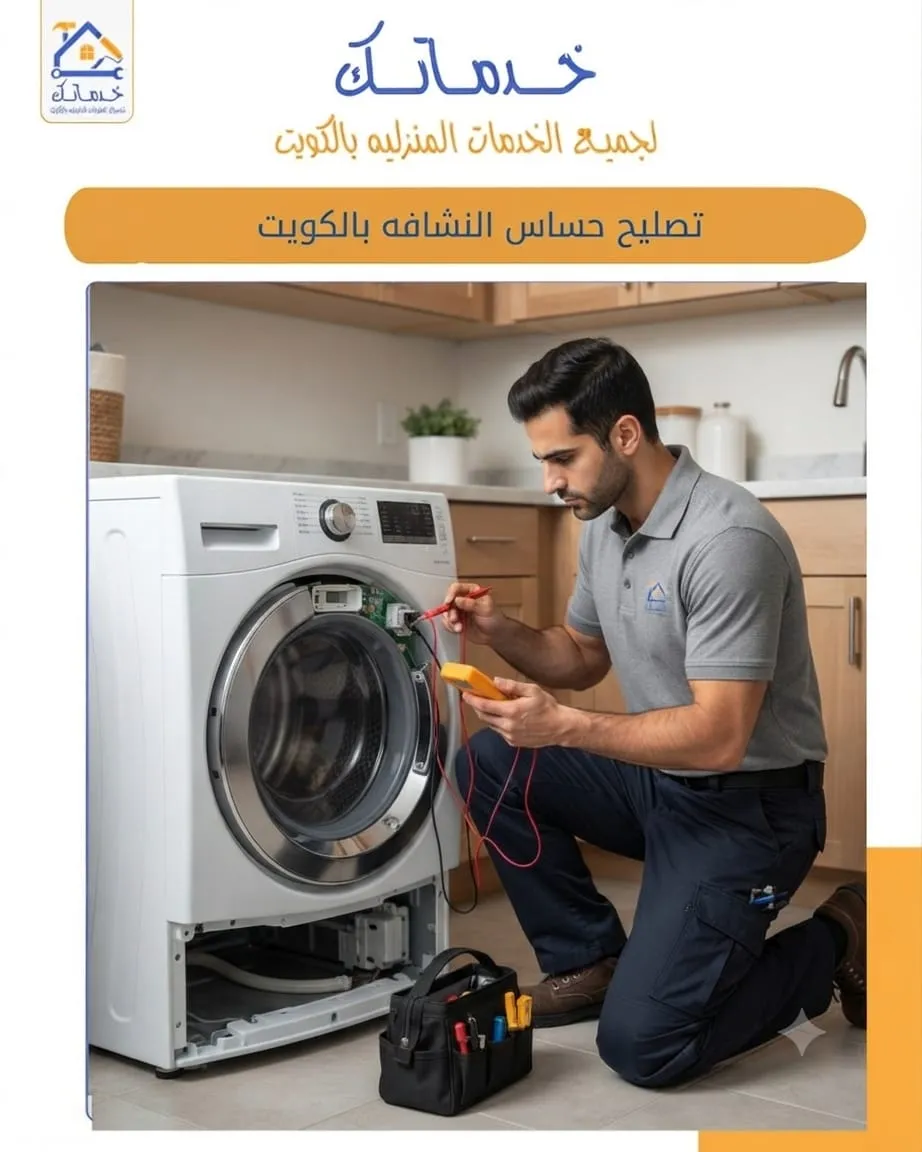
- Check the heating element: The heating element is the most common reason for no heat. A dryer technician in Kuwait inspects it using precise measuring tools to determine whether it needs replacement or cleaning. Proper repair of this part prevents future faults and maintains drying efficiency.
- Ensure the thermostat and temperature sensor are working: These components control the operation of the heating element and stop it when the desired temperature is reached. Any malfunction can result in no heat or unsafe overheating. Replacing or calibrating these parts ensures appliance safety and reduces electricity consumption.
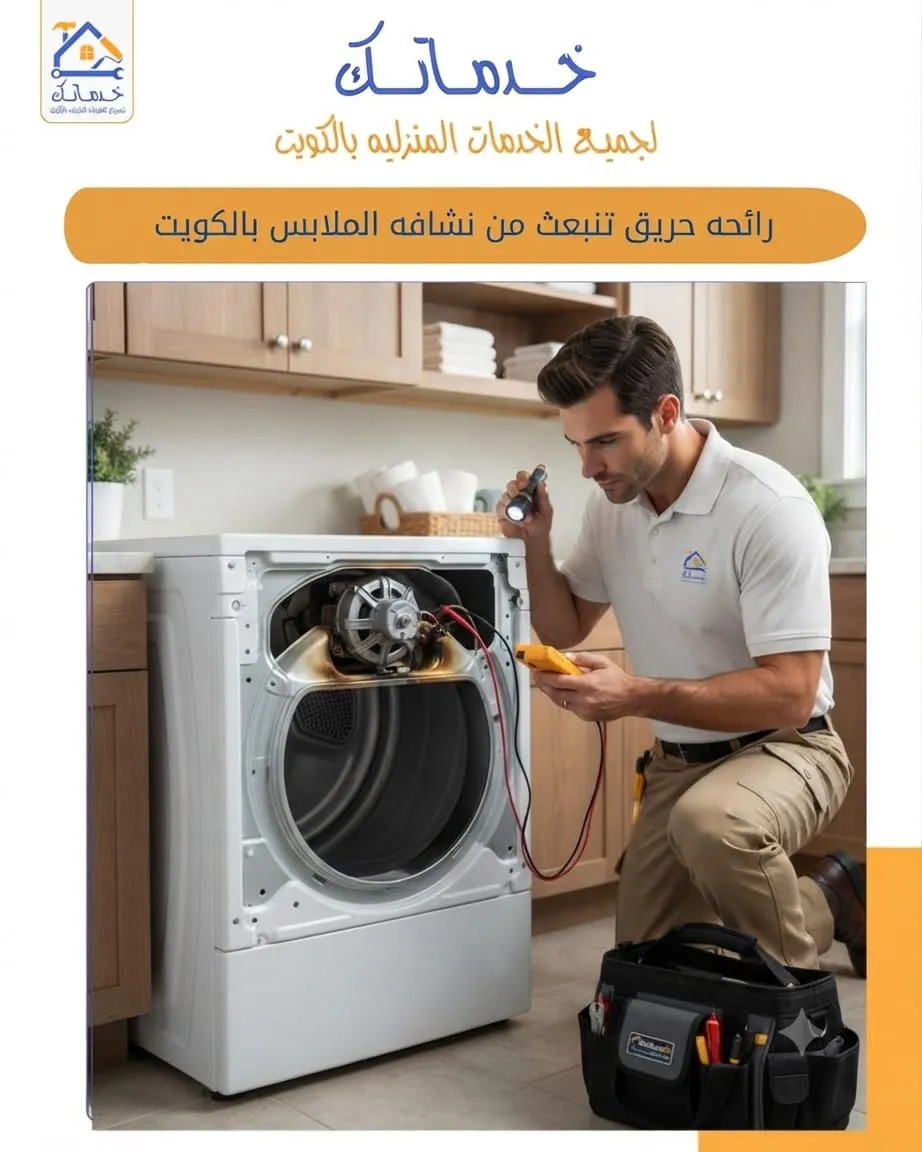
- Inspect wiring and electrical connections: Internal connections may corrode or detach, preventing electricity from reaching the heating element. Maintaining connections and checking the electric motor ensures continuous operation without recurring faults.
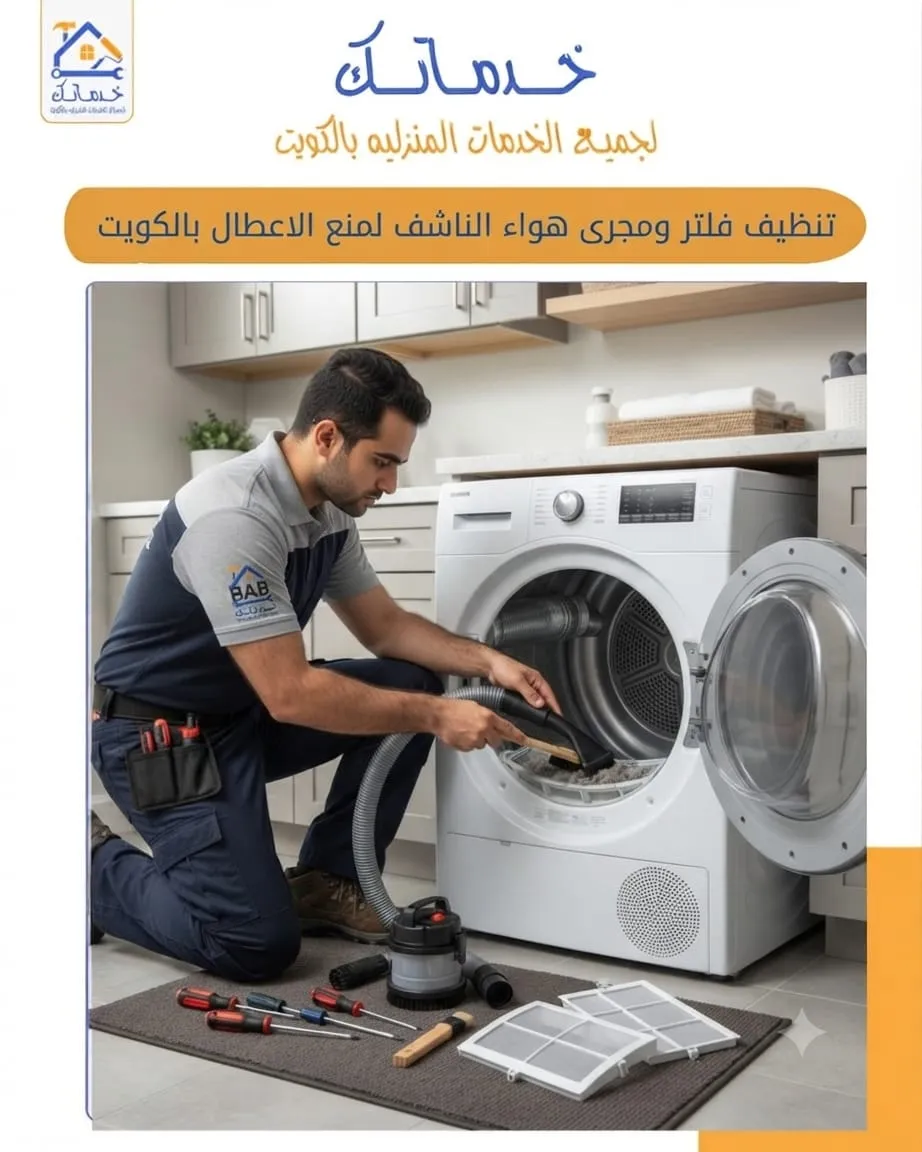
- Clean filters and ventilation ducts: Accumulation of lint and dust prevents airflow, leading to overheating and automatic shutdown of heating. Regular cleaning of these parts improves performance and reduces stress on the motor and heating element.
- Test drying programs: Some faults may result from selecting a low-heat program or one unsuitable for heavy clothes. Verifying settings and ensuring the program matches the clothing type reduces the perception that the dryer is not heating.
Relying on Kuwaiti dryer technicians to implement these steps ensures a safe and effective repair. Professional inspection not only repairs faults but also provides daily care advice to maintain the dryer’s performance and prevent future issues. Combining professional intervention with preventive home maintenance prolongs the appliance’s lifespan, maintains drying efficiency, and reduces electricity and water consumption—crucial for Kuwaiti households that rely heavily on dryers.
Daily Dryer Maintenance
Daily maintenance of dryers in Kuwait enhances appliance efficiency and reduces problems such as non-heating or weak drying performance. Daily care is not just surface cleaning; it involves precise steps aimed at keeping all parts of the dryer in good condition, including the motor, fan, drum, and air ducts. In Kuwait, with heavy reliance on electrical appliances daily, these preventive measures are essential for maintaining performance and extending the dryer’s lifespan.
Daily Care Steps Include:
- Remove lint and small debris from clothes before drying: Accumulated lint inside the dryer blocks airflow and increases the risk of heating failure.
- Clean the air filter after each use: The filter prevents dust and lint from entering internal components, and continuous maintenance reduces the need for costly dryer repairs.
- Wipe the drum regularly: Removing soap residues or dirt ensures proper airflow and prevents abnormal temperature rises.
- Leave the door open after each cycle: This reduces moisture buildup and prevents mold growth or unpleasant odors.
- Separate clothes by weight and type: Heavy items like towels or blankets require a different drying program than light clothes. This reduces stress on the motor and maintains heating element efficiency.
- Check electrical and water connections periodically: Any electrical or airflow issues may cause the dryer to stop heating or damage the appliance.
Following these daily procedures ensures that relying on a Kuwaiti dryer technician is needed only when real faults appear and reduces sudden repair costs. Combining regular home maintenance with professional inspection ensures continued high-efficiency dryer performance, maintaining the required drying temperature, and reducing electricity and water consumption—vital for Kuwaiti households.
Dryer Repair
When the dryer does not heat, repairing it becomes essential to ensure the appliance continues functioning efficiently. Faults may range from minor issues that can be handled at home, such as cleaning filters and air ducts, to electrical or mechanical faults requiring a specialized Kuwaiti dryer technician. Proper handling of these faults ensures continuous performance and reduces long-term repair costs, especially given the intensive daily use of dryers in Kuwait.
Practical Steps for Dryer Repair:
- Accurately diagnose electrical faults: Includes checking the motor, resistors, heating element, and internal wiring. Any malfunction in these parts can stop heating or reduce drying efficiency. Early inspection minimizes problem escalation.
- Inspect the ventilation system and fan: Clogged fan or air ducts hinder airflow, causing overheating and automatic shutdown of heating. Cleaning these parts maintains thermal balance and ensures stable performance.
- Assess the drum and mechanical components: Inspect gears and moving parts to ensure no wear or damage affects operation. Replace faulty components as needed to prolong dryer lifespan.
- Test drying programs and settings: Some faults may result from selecting an inappropriate program for heavy clothes, giving the impression that the dryer does not heat. Ensuring correct settings maintains appliance safety.
- Provide preventive maintenance recommendations: The technician gives practical instructions such as periodic filter cleaning, avoiding overloading, and separating clothes by type to prevent stress on the motor and heating element.
Relying on a Kuwaiti dryer technician to ensure safe and effective repair reduces the likelihood of recurring faults and guarantees optimal dryer performance. Combining professional maintenance with daily care increases stability, maintains drying efficiency, and reduces electricity and water consumption in Kuwaiti households.
Kuwaiti Dryer Technicians
Having a specialized dryer technician in Kuwait is essential to maintain long-term dryer performance and efficiency. The technician’s role is not limited to immediate repairs but also includes preventive guidance and daily care tips to reduce the need for emergency maintenance and extend appliance lifespan.
Steps to Benefit from a Technician:
- Periodic inspection of all essential parts: Motor, heating element, fan, and filters. Early detection prevents major faults and prolongs dryer life.
- Thorough cleaning of the dryer: Removing lint and dust from internal areas improves airflow and reduces the risk of heating stoppage.
- Replace faulty parts with original components: Using original parts ensures continued performance and prevents damage to other components due to incompatible replacements.
- Provide daily care advice: Such as managing load, separating clothes by weight and type, cleaning filters, and leaving the door open after drying to avoid moisture and odors.
- Fast and reliable home service: Most maintenance companies in Kuwait offer home service, protecting the appliance during transport and saving time and effort for the household.
Relying on a specialized technician makes repairing a non-heating dryer easy and safe, ensuring continued high-efficiency operation. Combining professional maintenance with daily care prolongs appliance life, maintains the required drying temperature, and reduces electricity and water consumption, which is critical for Kuwaiti homes that use dryers daily.
Conclusion
A dryer that stops heating is a common problem but can be easily resolved by following the correct procedures. Through regular maintenance in Kuwait, cleaning filters and air ducts, monitoring the heating element and fan, and using appropriate drying programs, Kuwaiti households can maintain appliance performance and reduce electricity and water consumption. Relying on a specialized Kuwaiti dryer technician ensures safe and effective repair of a non-heating dryer and provides preventive daily care advice. Combining regular home maintenance with professional inspection prolongs appliance life, maintains drying quality, and ensures reliable dryer use for many years.
Frequently Asked Questions (FAQ)
Q1: Why does the dryer sometimes not heat?
Causes include clogged air filters, damaged heating elements, thermostat or temperature sensor issues, electrical faults, or using inappropriate programs for heavy clothes.
Q2: How can a non-heating dryer be repaired safely?
This involves inspecting the heating element, thermostat, motor, and electrical connections, cleaning ducts and filters, and ensuring the program matches the clothing type. It is recommended to hire a Kuwaiti dryer technician for safe and effective repair.
Q3: How often should the dryer be maintained in Kuwait?
It is recommended to perform dryer maintenance once or twice a year, with monthly cleaning of filters and air ducts, especially with intensive daily use.
Q4: Can the dryer be repaired at home?
Some minor faults like cleaning filters or inspecting air ducts can be handled at home, but electrical faults or heating element damage should be repaired by a Kuwaiti dryer technician to ensure safety and performance.
Q5: Are there daily care tips for the dryer?
Yes, including removing lint from clothes before drying, regularly cleaning filters, separating clothes by weight and type, and leaving the door open after drying to prevent moisture and odors.