
The problem of a burning smell coming from the dryer is one of the warning signs that should not be ignored, because this smell may indicate an issue that requires quick inspection before it develops into a larger fault or affects the safety of the appliance. The burning odor may appear due to lint buildup inside the dryer, overheating of the heating elements, a motor problem, or damaged electrical connections.
In many cases, users continue operating the dryer believing that the smell is temporary, but this can increase the damage and lead to more expensive repairs.
Therefore, early diagnosis and safe inspection help identify the real cause and ensure that the correct maintenance solution is performed to protect the dryer’s efficiency and safe operation.
The correct diagnosis process depends on checking all parts related to heating, movement, and airflow to reach the actual source of the problem.
Diagnosing a Dryer Burning Smell After Inspecting Heating Elements, Motor, and Airflow System

Diagnosing a dryer burning smell is the first essential step to identify the real cause of the problem before starting any repair work, because a burning odor does not always indicate one specific fault. A dryer contains several systems that work together, including heating elements, motor, fan, belt, internal airflow paths, and electrical connections. A problem in any of these parts can result in an unusual burning smell during operation.
The diagnosis process begins by turning off the dryer and disconnecting it from the power supply to ensure a safe inspection.
The technician reviews the nature of the smell and determines when it appears, whether it starts at the beginning of operation, after the dryer becomes hot, or during drum movement.
The technician checks the lint filter and internal airflow passages to ensure there is no blockage preventing hot air from leaving properly.
The heating elements are also inspected to confirm that they operate at the correct temperature and do not produce excessive heat.
Through practical experience, many cases of a dryer producing a burning smell are related to lint accumulation inside the appliance, which causes heat to become trapped and places extra pressure on dryer components.
The inspection also includes checking the motor and belt to ensure that friction or mechanical stress is not causing the burning odor.
Electrical wires and connections are examined to make sure there are no overheated points or damaged insulation.
After identifying the source of the problem, the appropriate repair method is selected, whether cleaning, repairing, or replacing the damaged component.
Therefore, diagnosing a dryer burning smell professionally prevents random repairs, protects the appliance, and reduces maintenance costs.
Causes of a Dryer Burning Smell and Factors That Create an Overheating Odor During Operation
The cause of a dryer burning smell varies depending on the appliance condition and usage method, because the odor may result from a simple issue that can be solved easily or from a serious problem requiring professional repair. Understanding the real cause helps prevent damage to important dryer components and avoids repeated problems after maintenance.
One of the most common causes is lint buildup inside the filter or internal airflow passages, as this prevents hot air from escaping properly and increases the temperature inside the dryer.
When hot air cannot move freely, some components begin working under higher pressure, which can lead to overheating and a burning smell.
The problem may also be related to the heating elements, especially if they become damaged or start producing higher temperatures than normal.
In some cases, the smell comes from the motor or belt due to friction caused by damaged moving parts.
The technician analyzes all possible causes before deciding on the correct solution because replacing one component without proper diagnosis may not solve the problem completely.
Through practical experience, ignoring a burning smell and continuing to operate the dryer can lead to further damage and increase repair costs.
The inspection includes checking operating temperature, airflow performance, and the condition of electrical components.
After identifying the cause, the appropriate maintenance procedure is performed according to the dryer condition.
Therefore, understanding the cause of a dryer burning smell and dealing with it early helps protect the appliance and prevents the problem from becoming a major failure.
Dryer Producing a Burning Smell Due to Heating Problems or Poor Hot Air Circulation

The problem of a dryer producing a burning smell is often related to the heating and ventilation system, because the dryer depends on generating suitable heat, moving hot air through the clothes, and removing moisture through a proper airflow cycle. When this system fails, heat may build up inside the appliance and create a burning odor.
The inspection process begins by checking airflow movement inside the dryer and ensuring that internal passages are not blocked.
The technician examines filters, air ducts, and the fan to confirm that air is moving at the correct rate.
The heating element is also tested to ensure that there is no damage or abnormal temperature increase.
Through practical experience, cleaning only the external filter is not always enough, because lint may reach internal areas and affect dryer performance.
The inspection includes removing internal buildup and checking the complete ventilation system.
The dryer is then tested after maintenance while monitoring temperature levels to confirm that the smell has disappeared.
Therefore, solving a dryer producing a burning smell problem requires a complete inspection of the heating and airflow systems rather than simple cleaning only.
Inspecting Dryer Heating Elements to Ensure Safe Temperature Levels and Prevent Overheating
Inspecting dryer heating elements is one of the most important steps when a burning smell appears, because the heating element is responsible for producing the heat required to dry clothes. Any problem with this component can lead to excessive temperature, overheating, or heat transfer to parts inside the appliance that are not designed to withstand high temperatures.
Dryer heating elements operate according to a specific system that maintains a suitable temperature during the drying cycle. However, with continuous use, they may become damaged due to long operation periods, lint buildup, or poor airflow.
The inspection process begins by disconnecting the dryer from the power source and accessing the heating unit safely.
The technician measures the heating element performance and checks that the electrical resistance is within the correct range.
The surrounding insulation is also inspected to ensure there are no burn marks, melting signs, or damage near the heating area.
Through practical experience, some cases of a dryer producing a burning smell are not caused by a damaged heating element itself, but by heat accumulation due to blocked airflow.
Therefore, proper inspection does not focus only on the heating element but also includes checking the ventilation system, fan, and related filters.
If the heating element is confirmed to be damaged, it is replaced with a suitable part that matches the dryer model.
After installation, the dryer is tested and the operating temperature is monitored to confirm that the heating system is functioning correctly.
Therefore, inspecting dryer heating elements helps detect problems early and maintains appliance efficiency and safe operation.
Inspecting the Dryer Motor to Detect Burning Odors Caused by Friction or Excessive Load
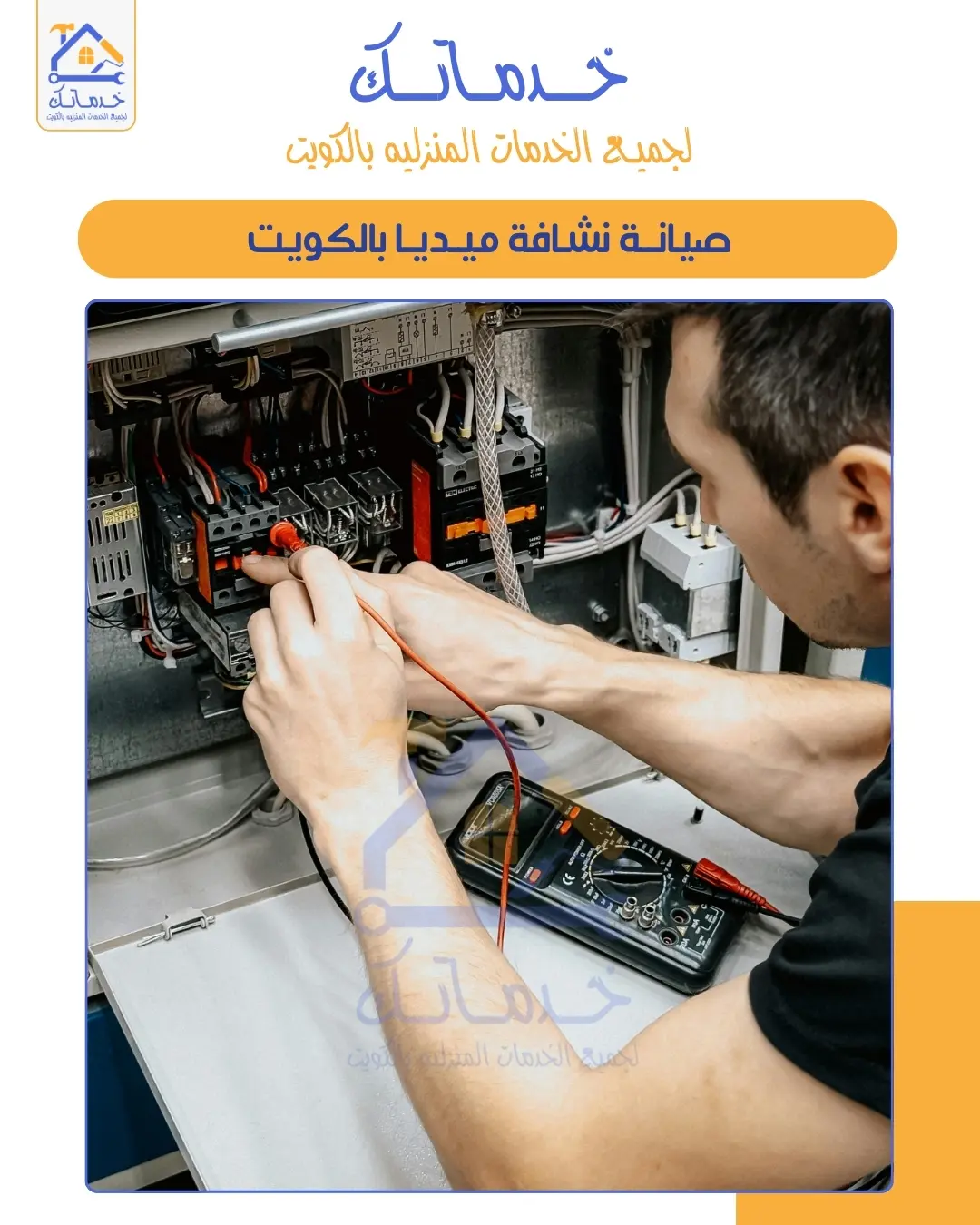
Inspecting the dryer motor is an important step when a burning smell appears because the motor is responsible for operating the drum movement and maintaining the drying process. When the motor experiences excessive stress or friction, its temperature may increase and create an odor similar to burning wires or plastic.
The inspection begins by monitoring the dryer performance during operation.
The technician listens for unusual sounds and checks for signs such as humming, friction noises, slow drum rotation, or sudden stopping.
The belt and other moving parts connected to the motor are then inspected to ensure that there is no additional pressure affecting motor performance.
The electrical current consumed by the motor is also measured to confirm that it is operating within normal limits.
Through practical experience, some users assume that the smell always comes from the heating element, while the actual cause may be a motor problem or a failure in one of the movement components.
The inspection includes checking electrical connections connected to the motor and ensuring that there are no overheated wires or damaged cables.
If the problem is minor, the damaged part can be repaired. However, if the motor has serious internal damage, replacement may be required.
After completing the repair, the dryer is tested to monitor drum rotation and confirm that the smell has disappeared.
Therefore, inspecting the dryer motor helps identify the actual source of the problem and protects other dryer components from damage.
Dryer Lint Cleaning and Its Role in Reducing Heat and Preventing Burning Smells
Dryer lint cleaning is one of the most important preventive maintenance steps that helps maintain appliance performance and reduce the possibility of burning odors. Lint naturally accumulates during the drying process, and when it builds up inside filters or internal passages, it can restrict airflow and reduce dryer efficiency.
A dryer requires continuous airflow to maintain the correct internal temperature.
When lint blocks filters or ventilation paths, hot air cannot escape properly, causing higher temperatures and additional pressure on heating elements and the motor.
The cleaning process begins by removing lint from the main filter after every use.
The technician also checks internal areas where fibers and dust may accumulate over time.
Through practical experience, cleaning only the external filter may not be sufficient in some cases because lint can reach internal components and affect airflow performance.
The technician cleans internal passages and checks the fan to ensure that air moves correctly.
The system is also inspected to confirm that there are no blockages causing excessive heat buildup.
Regular cleaning helps reduce energy consumption, improve drying speed, and extend the lifespan of internal components.
Therefore, paying attention to dryer lint cleaning is a simple but important step to prevent failures and reduce the possibility of burning smells.
Preventing Dryer Burning Through Proper Usage and Regular Maintenance of Internal Components
Preventing dryer burning is an important maintenance goal because many overheating problems can be reduced through proper cleaning, regular inspection, and correct appliance usage. Dryers operate at high temperatures, so neglecting maintenance or ignoring unusual warning signs may lead to more serious problems.
Prevention begins with cleaning the lint filter regularly and avoiding excessive buildup inside the appliance.
The ventilation openings and airflow passages should also be checked to ensure they are not blocked.
It is also important not to overload the dryer with more clothes than its capacity, because excessive loads increase motor stress and reduce airflow efficiency.
Through practical experience, many burning-related dryer failures begin with simple warning signs such as unusual sounds or a light burning smell that users ignore.
Therefore, the dryer should be stopped immediately when an abnormal smell appears and inspected before continued use.
Preventive maintenance includes checking heating elements, the motor, and electrical connections periodically.
Cleaning internal components also helps maintain stable temperatures and reduces the possibility of sudden failures.
Therefore, preventing dryer burning does not depend only on repairing problems after they occur, but starts with proper usage and continuous maintenance.
Diagnosing a Dryer Burning Smell to Identify the Problematic Component Before Repair
Diagnosing a dryer burning smell is an essential step to identify the component causing the problem before replacing any part, because a burning odor may come from more than one source inside the appliance. Relying only on assumptions can lead to incorrect repairs or replacing components that are still working properly.
The diagnosis process begins by disconnecting the dryer from the power supply and checking the overall condition of the appliance.
The technician reviews when the smell appears and determines whether it starts when heating begins, during drum rotation, or after the dryer has been running for some time.
All components related to the problem are then inspected, including the heating element, motor, belt, and electrical connections.
The airflow system is also checked to ensure that there is no blockage causing excessive heat buildup.
Through practical experience, identifying the exact timing of the smell appearance helps determine the source faster.
A burning smell that appears immediately after starting the dryer may have different causes compared with a smell that appears after the appliance becomes hot.
The diagnosis includes testing component performance, monitoring temperature levels, and checking airflow movement inside the dryer.
After identifying the cause, the correct repair method is selected according to the appliance condition.
Therefore, diagnosing a dryer burning smell professionally helps solve the problem from its source and prevents it from happening again.
Dryer Maintenance in Kuwait to Maintain Performance and Reduce Heat-Related Problems
Dryer maintenance in Kuwait is an important service for maintaining appliance efficiency, especially with frequent usage and the high operating temperatures required during drying cycles. Regular maintenance does not only repair problems after they occur but also helps detect issues early and prevent them from developing into major failures.
Maintenance begins by inspecting the main components responsible for drying performance, including heating elements, the motor, fan, and airflow passages.
The technician cleans internal parts and removes accumulated lint that may reduce ventilation efficiency and increase operating temperatures.
Electrical connections are also inspected to ensure there are no damaged wires or overheating signs that could lead to burning smells.
Through practical experience, many dryer problems begin because of neglected cleaning or continuous operation without regular inspection.
Regular maintenance helps improve drying speed, reduce energy consumption, and extend the lifespan of internal components.
The operating temperature is also tested to confirm that the heating system works within normal limits.
If any weak or damaged component is discovered, it can be repaired before causing a complete appliance breakdown.
Therefore, dryer maintenance in Kuwait is an important step to protect the appliance and reduce problems such as burning smells or poor drying performance.
Dryer Repair Technician and Their Role in Safely Solving Burning Smell Problems
Choosing a specialized dryer repair technician is one of the most important steps when a burning smell appears because dryers contain electrical and heating systems that require professional knowledge. Incorrect diagnosis may lead to replacing good components or allowing the same problem to continue after repair.
The technician begins by inspecting the dryer and collecting information from the user about the problem, including when the smell appears and whether it affects appliance performance.
The heating elements, motor, airflow system, and electrical connections are then examined to determine the source of the issue.
The technician identifies the damaged component before starting any repair or replacement process.
Through practical experience, dealing with a burning smell coming from the dryer requires quick diagnosis because continued operation with a heating problem can increase the damage.
The repair process may include cleaning internal components, repairing damaged parts, or replacing unsuitable components with compatible replacements.
After completing the repair, the dryer is tested and monitored to ensure that the smell has disappeared and normal operation has returned.
Choosing a technician experienced with different dryer models helps handle various heating systems and appliance designs.
Therefore, relying on a professional dryer repair technician provides a safe solution and reduces the possibility of the problem returning.
Conclusion
The problem of a dryer producing a burning smell and requiring safe inspection in Kuwait should be handled seriously and should not be ignored, because a burning odor may indicate a problem with heating elements, the motor, airflow system, or electrical connections.
The correct solution does not begin with replacing parts immediately, but with a complete inspection to identify the real source of the smell. This includes checking heating elements, inspecting the motor, cleaning lint buildup, reviewing airflow performance, and ensuring that all internal components are operating safely.
Regular maintenance helps reduce the possibility of this problem and improves dryer efficiency while extending its operating lifespan.
Relying on a specialized dryer repair technician ensures safe inspection and selecting the correct repair method according to the appliance condition.
Therefore, dealing with a burning smell coming from the dryer at an early stage is the best way to protect the appliance, reduce repair costs, and prevent the problem from developing into a larger failure.
Frequently Asked Questions
Why does my dryer produce a burning smell?
The reason may be lint buildup, overheating heating elements, motor problems, or damaged electrical connections.
Can I continue using the dryer when there is a burning smell?
It is not recommended to operate the dryer until it has been inspected because continued use may increase damage.
Can cleaning dryer lint solve the burning smell problem?
It may solve the problem if the cause is blocked airflow due to lint buildup, but other components should also be checked.
How are dryer heating elements inspected?
They are tested by measuring electrical performance and confirming that there is no damage or abnormal temperature increase.
When is the dryer motor responsible for the burning smell?
If the smell appears with weak drum rotation or unusual noises, the cause may be related to the motor or connected movement components.
Does a dryer need regular maintenance?
Yes, regular maintenance helps clean internal parts, inspect components, and reduce unexpected failures.
How do I choose a dryer repair technician in Kuwait?
Choose a technician with experience in heating and electrical systems who diagnoses the problem before replacing any parts.
Is repairing a dryer better than buying a new one?
In many cases, repair is a suitable option when the problem is related to a specific component that can be repaired or replaced at a reasonable cost.