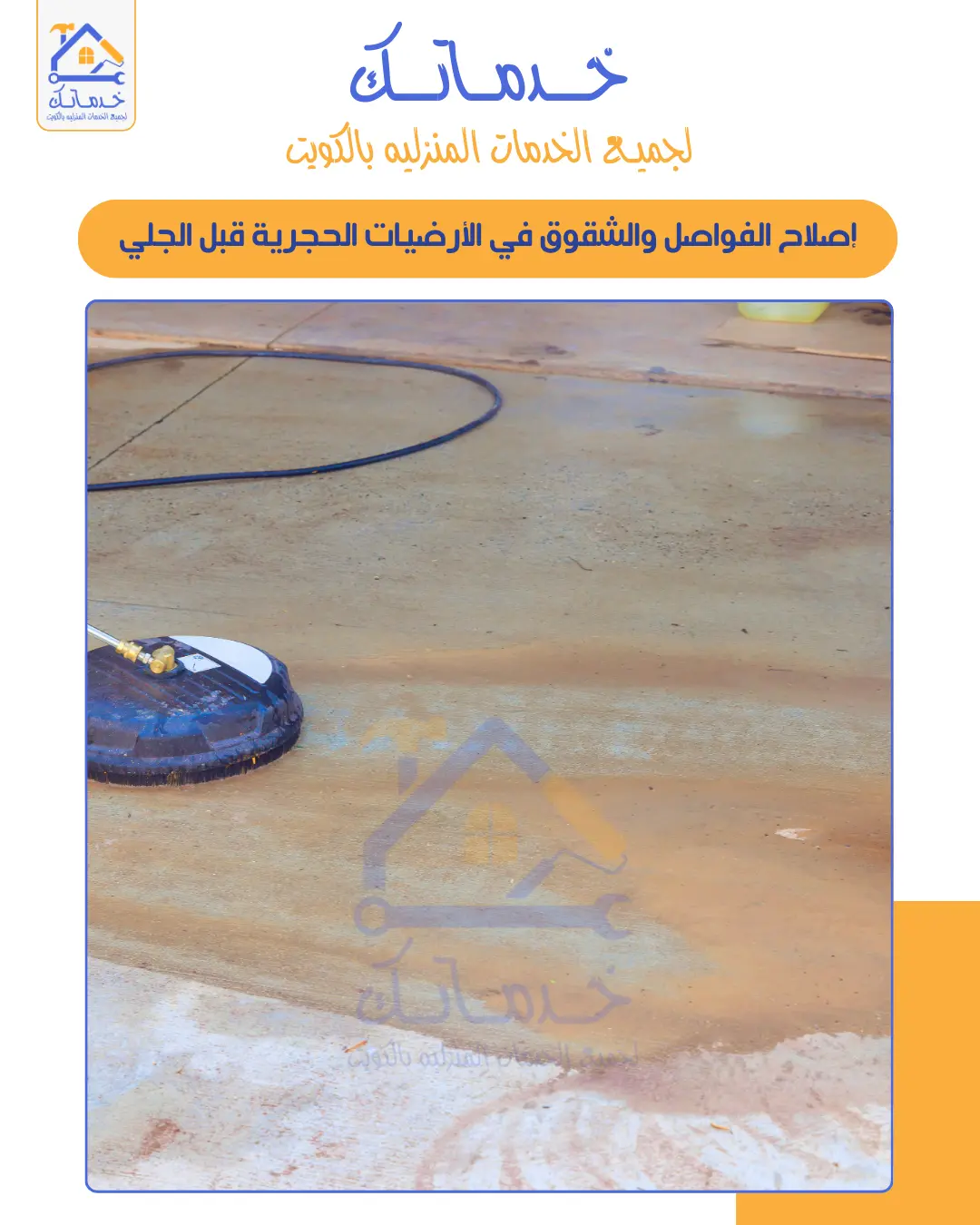
Treating coffee and oil stains on marble in Kuwait is an important service for maintaining the beauty of marble surfaces because natural marble, despite its durability, requires special care when exposed to stains.
Coffee and oil stains are among the most common problems faced by homeowners, especially in kitchens, dining areas, and marble surfaces that are used daily.
Marble contains natural pores that may absorb some liquids if they are not treated quickly and correctly.
Using random cleaning methods may make the stain deeper or affect the shine of the marble surface.
Therefore, identifying the stain type and selecting the appropriate treatment method helps restore the marble appearance and maintain its natural beauty for a longer period.
Removing Marble Stains in Kuwait and Choosing the Right Method for Each Stain Type

Removing marble stains in Kuwait is a process that requires experience in dealing with natural stone because marble differs from many other surfaces in the way it absorbs liquids and reacts with cleaning materials.
Many homeowners face problems caused by coffee or oil stains appearing on marble surfaces in kitchens, tables, or floors, and they may think that regular cleaning is enough to remove them.
However, some stains may penetrate inside the stone and require specialized treatment.
Before performing removing marble stains in Kuwait, the technician inspects the stain location and identifies its type and cause.
It is determined whether the stain is superficial and can be removed easily or whether it has penetrated deeper into the marble and requires advanced treatment steps.
The overall marble condition is also evaluated to determine whether the surface needs polishing or protective treatment after stain removal.
Through practical experience, using strong cleaning materials randomly may remove the natural shine of marble or create a visible difference between the treated area and the rest of the surface.
Therefore, the first step is always accurate diagnosis before starting any treatment.
The stain removal process includes using suitable methods according to the problem type while protecting the natural characteristics of marble.
After completion, the surface is inspected to confirm improvement in color and overall appearance.
Important points when removing marble stains in Kuwait:
-
Identifying the stain type before choosing the cleaning method helps achieve better results without affecting the marble surface.
-
Old stains require experience because some stains are absorbed inside the stone rather than remaining only on the surface.
-
Using suitable treatment methods protects marble shine and reduces the need for complete replacement.
Coffee Stains on Marble and the Best Way to Treat Them Before Color Changes
Coffee stains on marble are among the most common problems in homes because daily coffee use increases the possibility of spills, especially on kitchen countertops, marble tables, and living room surfaces.
Although coffee may seem like a simple stain, leaving it for a long time can make removal more difficult because marble can absorb liquids through its natural pores.
When coffee spills on marble, it may create a dark mark or slight color change, which becomes more noticeable on white or light-colored marble.
Therefore, dealing with the stain quickly is an important factor in preventing deeper absorption.
When treating coffee stains on marble, the first step is evaluating the stain condition and determining how long it has been present.
If the stain is recent, suitable cleaning may be enough, but older stains may require deeper treatment to remove absorbed color.
A common mistake is using rough tools or strong materials to remove the stain quickly, which may cause scratches or affect the marble shine layer.
Through practical experience, marble treatment requires patience and accuracy because the goal is not only removing the stain but also preserving the entire surface appearance.
After cleaning the stain, the area is inspected to ensure there is no visible difference between the treated section and the rest of the marble.
In some cases, light polishing may be needed to restore a consistent shine.
A protective layer can also be applied to reduce liquid absorption in the future.
Important points when treating coffee stains on marble:
-
Cleaning coffee stains quickly reduces the chance of absorption into marble pores.
-
Avoiding strong chemicals and rough tools protects marble from scratches and dullness.
-
Proper treatment removes the stain while preserving the natural color and shine of marble.
Oil Stains on Marble and How to Remove Their Effects From Natural Stone
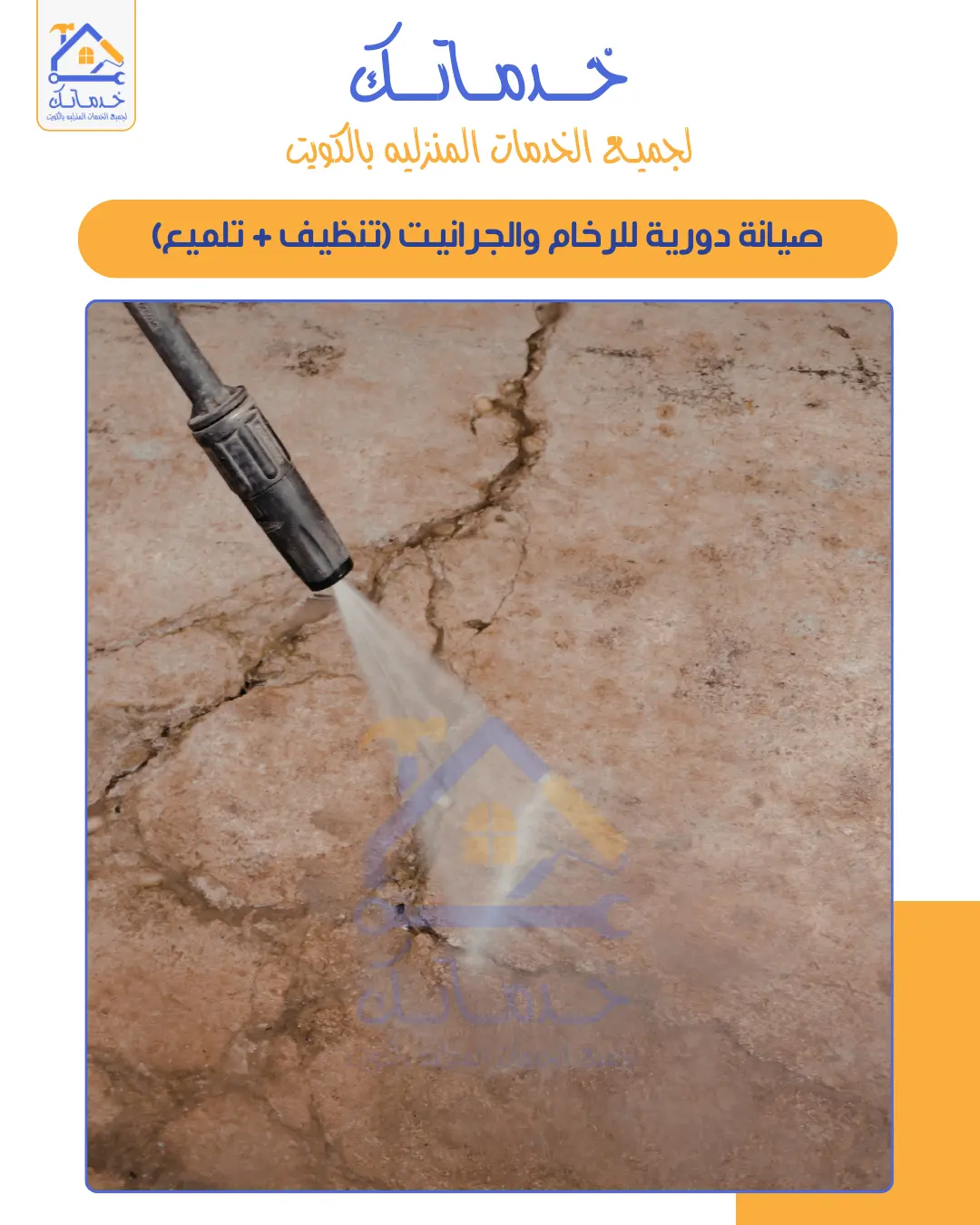
Oil stains on marble are among the more difficult stains that can appear on marble surfaces because oil has a different nature from other liquids and may penetrate into the stone pores.
This problem commonly appears in kitchens due to cooking oil spills and may also occur on marble tables or surfaces used frequently.
At first, an oil stain may look small, but over time it can become darker and more noticeable because marble continues absorbing the oil.
When treating oil stains on marble, the affected area is first inspected to determine how far the oil has spread.
It is identified whether the problem is superficial or whether the oil has penetrated deeper layers of the stone.
Using only water or regular cleaners is often not enough for oil stains because oil requires a different treatment approach that helps remove the absorbed effect.
Through practical experience, aggressively scrubbing oil stains does not always provide better results and may affect the marble texture or create uneven shine.
Therefore, selecting the correct treatment method according to marble condition is the most important step.
After removing the oil effect, the surface is cleaned and inspected, and the marble may require polishing or additional protection to maintain the improved appearance.
Advice is also provided on how to handle future spills quickly.
Important points when treating oil stains on marble:
-
Oil stains require special treatment because they may penetrate marble pores rather than remain only on the surface.
-
Proper diagnosis before cleaning helps choose the right method and reduces the possibility of stone damage.
-
Protective treatment after removal helps reduce future liquid absorption.
Cleaning Marble Stains and Removing Daily Marks That Affect Its Appearance
Cleaning marble stains is an essential step for maintaining the beauty of marble surfaces because marble is continuously exposed to different factors such as spilled drinks, dust accumulation, food residues, and oils that may affect its appearance over time.
Many people believe that any household cleaner can be used for marble cleaning, but this idea may create problems because some products contain strong compounds that affect natural stone surfaces and cause loss of shine or uneven marks.
Marble requires a cleaning method based on the stain type and surface condition, not simply stronger cleaning materials.
When performing cleaning marble stains, the technician first examines the affected area and identifies the nature of the stain.
It is determined whether the stain is caused by coffee, oil, accumulated dirt, or a change in the marble surface color.
The appropriate cleaning method is then selected to remove the stain while maintaining the marble appearance.
Through practical experience, proper marble cleaning does not only mean removing the visible stain, but also preserving the surface balance and preventing differences between the treated area and the rest of the marble.
After completion, the area is cleaned completely and the appearance improvement is confirmed.
In some cases, the surface may require light polishing to restore an even shine.
A suitable protective treatment can also be applied to reduce future stain absorption.
Important points when cleaning marble stains:
-
Choosing the cleaning method according to the stain type prevents marble damage and improves the final result.
-
Professional cleaning maintains natural color and shine instead of only removing surface dirt.
-
Regular marble care reduces stain buildup and makes future removal easier.
Marble Stain Treatment and Restoring the Surface to Its Natural Condition

Marble stain treatment requires understanding the reason behind the stain rather than only trying to hide it because some problems are related to liquid absorption or changes in the outer marble layer.
Natural marble requires special care, especially in areas with daily use, because neglect or incorrect cleaning methods may create stains that cannot be removed through traditional methods.
When performing marble stain treatment, the entire surface condition is evaluated rather than only the stained area.
The stain spread, effect on marble color, and impact on surface shine are inspected.
The suitable steps are then determined, whether deep cleaning, specialized treatment, or polishing is required to improve the overall appearance.
Through practical experience, some stains cannot be removed through external cleaning because they have affected deeper layers of the stone.
Therefore, the treatment method depends on marble type and how long the stain has existed.
After treatment, the result is inspected to confirm improved color consistency and a better surface appearance.
Advice is also provided regarding proper marble care methods to prevent the same issue from happening again.
Important points when treating marble stains:
-
Identifying the stain cause is the most important step before choosing the correct removal method.
-
Some stains require deep treatment rather than regular surface cleaning.
-
Proper treatment helps restore marble appearance and reduces replacement costs.
Removing Stubborn Marble Stains and Handling Difficult Old Marks
Removing stubborn marble stains is one of the tasks that requires experience because old stains are different from recent stains that can often be cleaned more easily.
When coffee, oil, or other liquids remain on marble for a long time, they may penetrate the stone and become part of the problem rather than only a surface layer.
Therefore, simple home cleaning methods may not provide the required results.
When performing removing stubborn marble stains, the technician first examines the stain age and the level of surface impact.
It is determined whether the stain requires specialized cleaning or additional steps such as treatment and polishing.
The technician also ensures that unsuitable materials are not used because they may change marble color or affect its smooth texture.
Through practical experience, using strong materials to remove old stains quickly may create opposite results, where the stain partially disappears but a difference in color or shine appears.
Therefore, stubborn stains require patience and a planned approach.
After removing the stain, the marble appearance is improved and the treated area is checked to ensure it matches the surrounding surface.
Additional protection may be applied to reduce future stain absorption.
Important points when removing stubborn marble stains:
-
Old stains require careful evaluation before starting treatment.
-
Random use of strong products may create more damage than the original stain.
-
Professional treatment improves marble appearance even with difficult stains.
Cleaning Marble Surfaces and Maintaining the Beauty of Kitchens, Tables, and Floors

Cleaning marble surfaces is an important service for maintaining the luxurious appearance of marble in homes and buildings because marble surfaces are exposed daily to liquids and dirt that may affect their color and shine.
Marble surfaces are used in different areas such as kitchens, tables, bathrooms, and entrances, and each location requires suitable care according to its usage.
Regular cleaning using correct methods helps prevent stain buildup and preserves the beauty of natural stone for a longer time.
When performing cleaning marble surfaces, the surface condition is inspected and areas requiring more attention are identified.
Stains and deposits are cleaned using suitable methods while maintaining marble texture and avoiding damage to its shine.
Through practical experience, kitchen marble surfaces are more exposed to oil and coffee stains, so they require continuous care and proper cleaning methods.
After cleaning, the surface is inspected to ensure a consistent overall appearance.
In some cases, marble protection may be recommended to reduce liquid absorption.
Important points when cleaning marble surfaces:
-
Regular marble surface care prevents problems from accumulating over time.
-
Suitable cleaning materials protect natural marble from damage.
-
Professional surface cleaning keeps marble looking new for a longer period.
Restoring Marble Appearance After Stain Removal and Dullness
Restoring marble appearance is the main goal after treating stains because removing the stain alone is not enough if the surface remains dull or different from the surrounding marble.
Beautiful marble depends not only on being free from stains but also on consistent color, shine, and visibility of the natural stone details.
Over time, marble may require additional steps to restore its appearance after continuous use.
When performing restoring marble appearance, the final surface condition is evaluated after stain removal.
It is determined whether the marble requires polishing or additional improvement to achieve a consistent look.
Through practical experience, many marble surfaces that appear old are actually affected only by loss of shine rather than damage to the stone itself.
Therefore, proper treatment can completely change the appearance of the area.
After restoring the appearance, maintenance advice is provided to preserve marble and reduce future stain problems.
Important points when restoring marble appearance:
-
The goal of treatment is not only stain removal but restoring the complete beauty of marble.
-
Polishing and protection may be important steps after stain treatment.
-
Proper care maintains treatment results for a longer period.
Marble Cleaning Technician for Professional Stain Treatment
Choosing a specialized marble cleaning technician is one of the most important steps when dealing with coffee stains, oil stains, or any changes that appear on marble surfaces because natural stone requires proper knowledge and suitable treatment methods.
Professional work does not only focus on removing the visible stain, but begins with understanding the cause of the problem and selecting the correct method that protects marble and restores its natural appearance.
Each marble type has different characteristics, and some types absorb liquids more easily than others, while some require more careful cleaning techniques.
When hiring a marble cleaning technician, the process starts with inspecting the surface and evaluating the marble type and stain condition.
The technician determines whether the problem requires simple cleaning or deeper treatment that may include polishing or protective procedures.
Suitable tools and materials are selected to avoid affecting marble color or shine.
Through practical experience, many marble problems occur because of incorrect home cleaning attempts, where strong materials or rough scrubbing methods are used and create additional damage.
Therefore, having a specialized technician helps achieve better results while protecting the value of the marble.
After completing the treatment, the surface is inspected to confirm stain removal and overall appearance improvement.
Care instructions are also provided to help maintain marble after cleaning.
Important points when choosing a marble cleaning technician:
-
Experience with different marble types helps select the correct treatment method.
-
Surface inspection before cleaning prevents the use of materials that may damage marble.
-
A professional technician focuses on restoring the complete marble appearance, not only removing the stain.
Natural Marble Maintenance to Preserve Color and Shine for a Long Time
Natural marble maintenance is an important step that helps preserve marble beauty and reduce problems such as stains, dullness, and color changes.
Natural marble is a luxurious material that adds value to any space, but it requires continuous care because daily usage may affect its surface over time.
Maintenance does not mean waiting until a major problem appears, but includes regular care, proper cleaning methods, and preventive steps that protect marble condition.
When performing natural marble maintenance, the surface condition is evaluated to determine whether it requires specialized cleaning, polishing, or additional protection.
High-use areas such as kitchens, entrances, and marble tables are inspected to identify the level of impact.
Through practical experience, marble that receives regular maintenance keeps its appearance longer and requires fewer restoration procedures compared with neglected marble.
Using correct cleaning methods also reduces the possibility of liquid absorption and difficult stains.
After maintenance, the surface is checked and advice is provided to preserve its condition.
Recommendations may include suitable daily cleaning methods, avoiding harmful products, and dealing quickly with any liquid spills on marble.
Important points when maintaining natural marble:
-
Regular maintenance reduces stains and problems that require major treatment.
-
Preserving marble requires proper cleaning methods, not only removing visible dirt.
-
Suitable protective treatments reduce liquid absorption and maintain natural appearance.
Conclusion
Treating coffee and oil stains on marble in Kuwait is an important service for preserving natural marble beauty and restoring its appearance after exposure to stains and daily usage effects.
Coffee and oil stains are not always simple surface marks, as they may penetrate marble pores and require suitable treatment methods according to stain type and stone condition.
Through services such as removing marble stains in Kuwait, marble stain treatment, and cleaning marble surfaces, marble appearance can be improved and its aesthetic value can be maintained without replacement.
Relying on a specialized marble cleaning technician helps select the correct approach and reduces the possibility of damage caused by unsuitable products or cleaning techniques.
Regular natural marble maintenance also helps prevent problems from building up and preserves marble color and shine for a longer period.
Therefore, treating marble stains at the right time and choosing the appropriate restoration method is the best way to maintain beautiful marble surfaces and extend their lifespan.
Frequently Asked Questions
Can old coffee stains be removed from marble?
Yes, many old coffee stains can be treated, but the result depends on how long the stain has existed and how deeply it has been absorbed into the marble.
Why are oil stains more difficult than coffee stains on marble?
Because oil can penetrate marble pores and requires a different treatment approach compared with surface stains.
Can household cleaners be used to remove marble stains?
It is recommended to avoid unsuitable products because they may affect marble color and natural shine.
Does marble cleaning remove all types of stains?
It depends on the stain type and depth. Some stains require specialized treatment rather than regular cleaning.
When does marble need polishing after stain removal?
Marble needs polishing when the surface becomes dull or when there are differences in shine after treatment.
How can marble be protected from coffee and oil stains in the future?
Fast cleaning of spills and applying suitable marble protection methods help reduce future staining.
Is natural marble maintenance necessary regularly?
Yes, regular maintenance helps preserve color, shine, and reduces the need for expensive restoration work.
Why is it better to hire a marble cleaning technician?
Because a specialized technician understands different marble types and selects the correct solution to remove stains without damaging the surface.