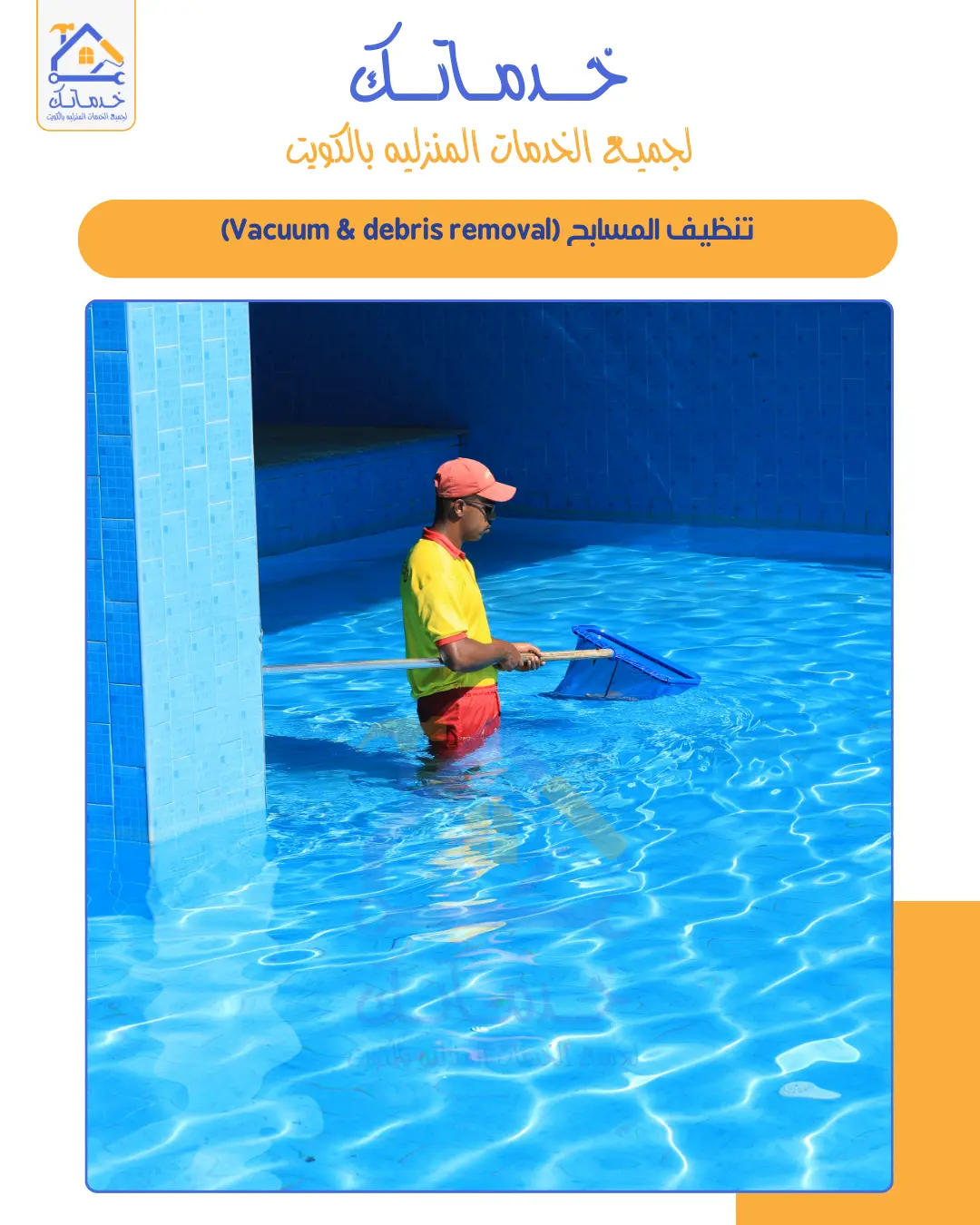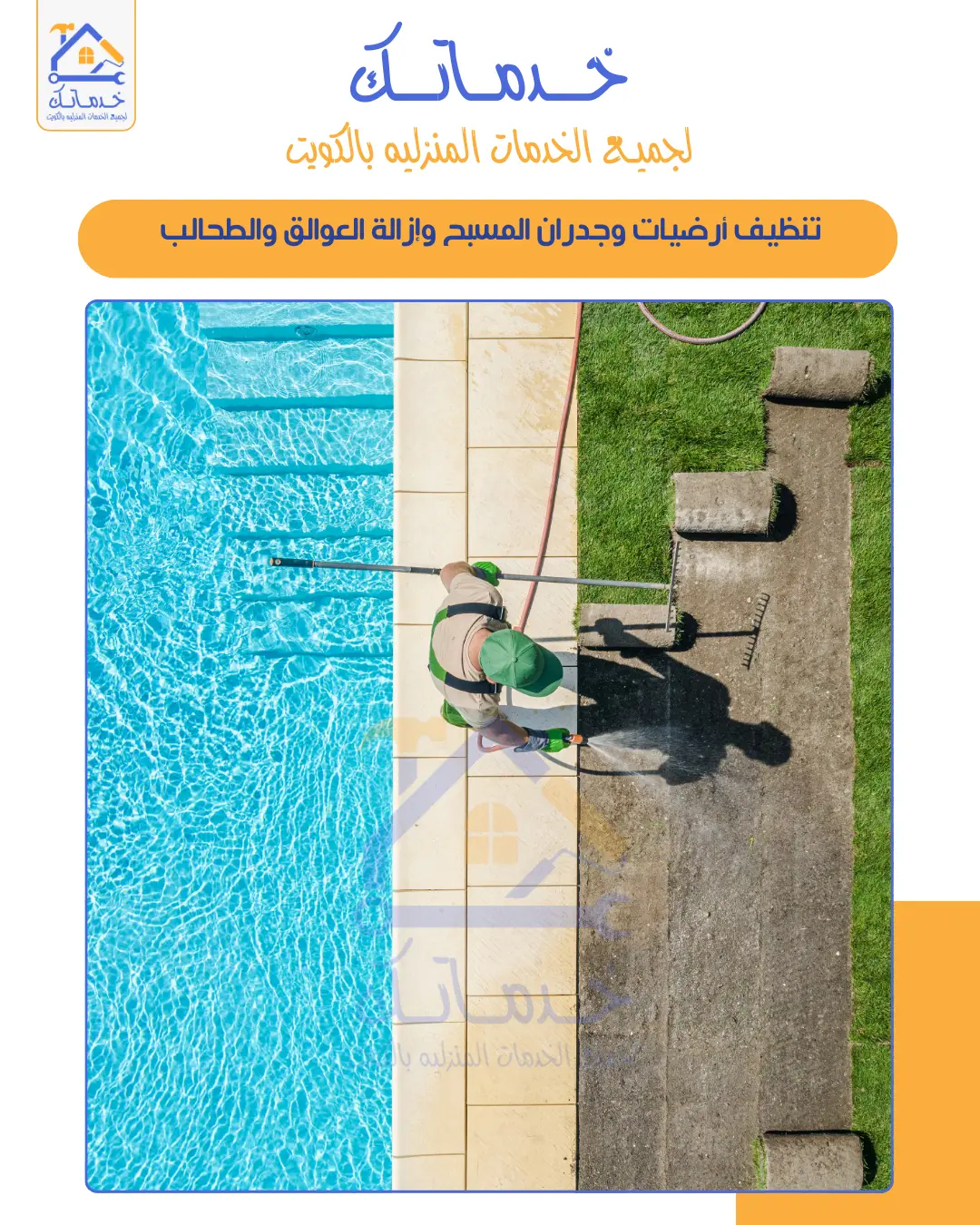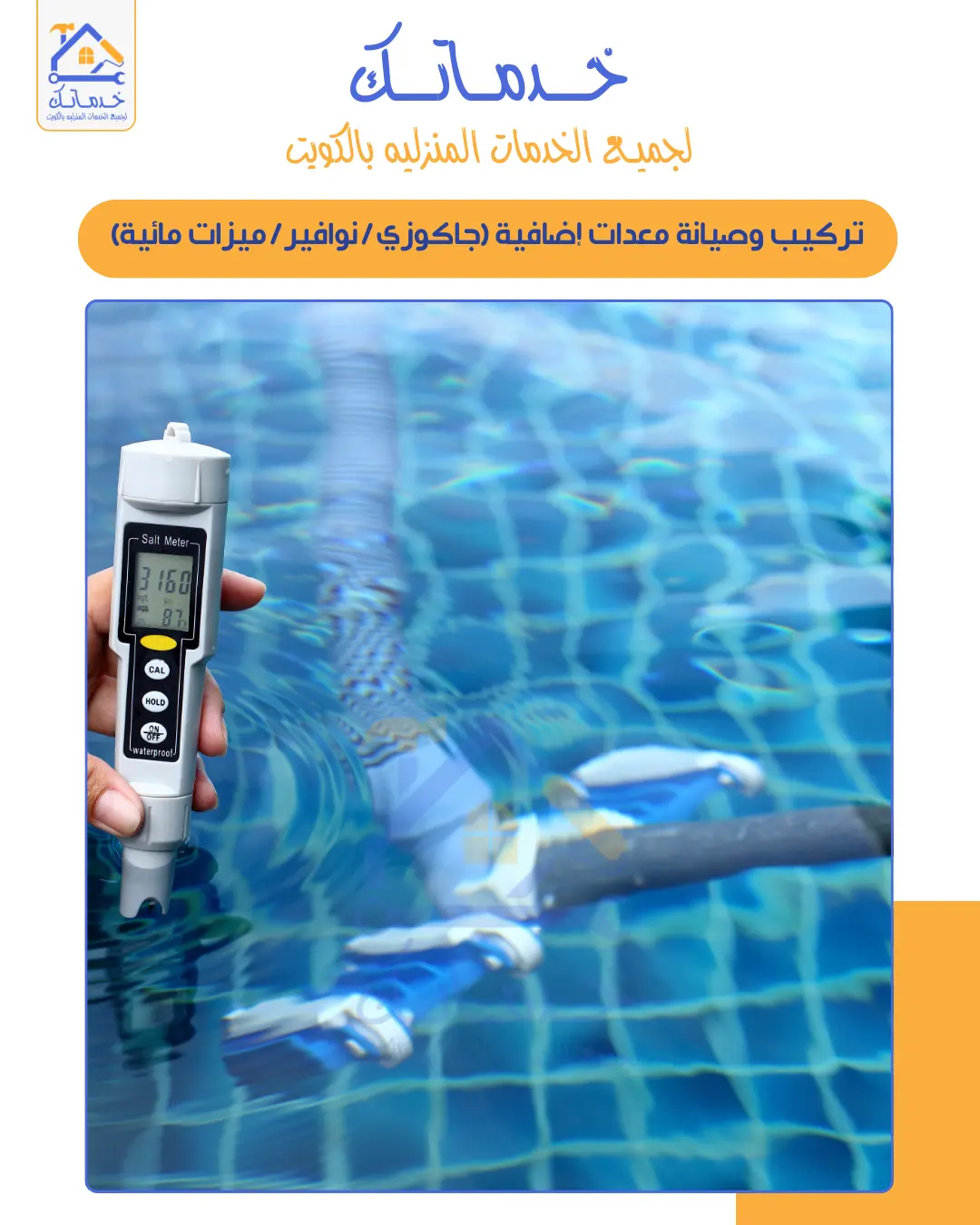
Swimming pool pump installation in Kuwait is one of the essential technical services that directly affects pool operating efficiency and proper water circulation inside the system. The pump is the main component responsible for moving water through filters and sanitation systems and returning it back to the pool continuously. Over time, pumps may experience reduced performance or complete failure due to long-term use, incorrect selection, or connection problems.
Through practical experience in pool systems, proper installation starts with selecting the right pump and ends with operating tests and follow-up maintenance. This helps reduce failures, improve energy efficiency, and maintain pool water in a clean and stable condition.
The Importance of Installing a New Swimming Pool Pump in Kuwait to Improve Water Circulation Efficiency and Reduce Failures
Installing a new swimming pool pump in Kuwait is an important solution in many situations where the old pump loses its ability to perform its main function, which is circulating water effectively inside the pool system. The pump is not just an ordinary operating device, but it is considered the main part of the water system because filters and sanitation systems depend on it to achieve proper water movement and maintain cleanliness.
Through practical experience in installing and maintaining pool equipment, many pool owners notice problems such as slow water movement, continuous sediment appearance, or weak filtration efficiency. They often believe that the problem is always related to filters or chemicals, while the real cause in many cases is poor pump performance and insufficient circulation capacity.
Modern pumps also provide several advantages compared with older models. They are designed to operate with higher efficiency and lower energy consumption, which is especially important in Kuwait due to the long operating hours of swimming pools during summer. Choosing a modern and suitable pump helps reduce operating costs and improves the complete system performance.
Installing a new pump is not limited to removing the old device and replacing it with another one. It requires a complete evaluation of pool size, filter capacity, pipe network length, and usage requirements. Installing an unsuitable pump may cause the same problems to continue even after replacement.
Therefore, relying on a specialized pump installation service ensures choosing the correct solution from the beginning, maintaining pool efficiency, and reducing the need for repeated repairs in the future.
Replacing a Damaged Pool Pump with a Modern One While Ensuring Compatibility with the Existing System
The process of replacing a damaged pool pump with a modern one requires accurate technical experience because changing the pump does not depend only on purchasing a new device with the same appearance or visible capacity. The new pump must be compatible with all existing pool system components, as every pool has a different design in terms of size, suction and return lines, and filtration type.
The replacement process begins by inspecting the old pump to determine the actual cause of failure. The reason may be motor lifespan expiration, internal component damage, or operating the pump under excessive pressure for long periods. Understanding the cause helps select the correct replacement and prevents the same problem from happening again.
Through practical experience, some pump replacement projects fail because the focus is only on motor power without studying the rest of the system components. Installing a pump with higher capacity than required may create excessive pressure on the filter and water lines, while installing a weak pump may fail to provide the circulation needed to maintain water quality.
The replacement process also includes reviewing electrical connections, inspecting water lines, and ensuring there are no hidden leaks or issues that may affect the performance of the new pump. After completion, the system is tested to confirm stable operation.
Therefore, replacing a damaged pump should be performed carefully because the goal is not only installing a new device, but improving the complete pool performance and ensuring long-term efficient operation.
Choosing the Right Pool Pump According to Size and Filtration Capacity for Best Performance
Choosing the right pool pump according to size is one of the most important steps that determines the success of the installation process because the pump must match the amount of water in the pool and the capacity of the filtration system used. Incorrect selection may lead to operating problems that affect water quality and equipment efficiency.
The correct pump selection depends on several essential factors, including pool size, daily operating hours, required water flow rate, filter size, and pipe network length. Large pools require higher-capacity pumps to circulate water efficiently, while smaller pools need suitable pumps that prevent excessive operation and unnecessary energy consumption.
Through practical experience, a common mistake among some pool owners is choosing a pump based only on price or power without considering the balance between all system components. An oversized pump may create pressure problems and place additional stress on the filter, while an underpowered pump may not remove impurities or distribute sanitation materials properly.
Choosing the correct pump also helps improve equipment lifespan because the system operates within its suitable capacity, reducing stress on the motor and filters and making maintenance easier and more effective.
A specialized technician evaluates the pool condition before selecting the pump while considering the type of use, whether it is a home pool, villa pool, or private facility pool.
Therefore, selecting the correct pump is an important investment because it affects water quality, electricity consumption, and the lifespan of the complete operating system.
Professional Pool Pump Motor Installation to Ensure Safe and Long-Term Operation
Professional pool pump motor installation is one of the most important stages in preparing the pumping system because the motor is the part responsible for operating the pump and converting electrical energy into movement that helps circulate water inside the pool. Any mistake during installation may reduce operating efficiency or cause repeated failures, even if the pump itself is of high quality.
The installation process begins by inspecting the motor location and ensuring suitable conditions for operation, such as having a stable base that prevents vibration, enough space for ventilation, and proper protection from factors that may affect electrical components. Continuous exposure to moisture or excessive heat may reduce the motor’s operating lifespan.
Through practical experience in pool pump installation, many problems that appear after installing a new motor are caused by connection errors or incorrect system adjustment rather than equipment quality. Poor motor fixation may create vibrations that affect internal components, while unsuitable electrical connections may cause overheating or sudden shutdown.
During installation, the compatibility between the motor capacity and the pump specifications is also checked because any mismatch may result in unstable operation or higher energy consumption than required. The rotation direction is tested, and the pump operation is verified before completing the service.
The process does not end when the motor starts running. The technician monitors performance, operating sounds, vibration levels, and water flow to ensure that all components are working efficiently.
Therefore, depending on a specialized technician for pool pump motor installation helps protect the equipment from early failures and ensures stable operation that maintains pool performance for a longer period.
Connecting the Pool Pump to the Filtration System to Ensure Efficient Water Purification
Connecting the pool pump to the filtration system is one of the essential installation steps because the pump and filter work together as one system to maintain water quality and remove impurities and sediments continuously. Any mistake in the connection process may affect water movement and reduce filtration efficiency.
The connection process begins by studying the water path inside the pool, starting from the suction lines that transfer water to the pump, then moving through the filter, and finally returning back to the pool through the return lines. All valves and connections are checked to ensure that they operate correctly without leaks affecting system pressure.
Through practical experience, some problems related to cloudy water or weak purification are not caused by the filter itself, but by incorrect pump connections or an unsuitable water flow rate compared with the filter capacity. Therefore, proper installation requires a complete understanding of the pool network design.
The connection points are inspected carefully, and all pipes are secured to prevent air from entering the system, as air leaks may cause weak suction or unstable pump operation.
After completing the connection, the entire water circulation cycle is tested. The technician confirms that water reaches the filter correctly and returns to the pool at the required flow rate.
Therefore, professional connection does not only improve pump performance but also increases filtration efficiency and helps maintain cleaner and more stable pool water.
Starting the Pool Pump Immediately After Installation and Checking All System Functions
The stage of starting the pool pump immediately after installation is essential to confirm that the installation process was successful and that there are no problems affecting system performance. Testing after operation helps identify connection errors or settings issues before the pool is used normally.
The technician starts the pump and monitors water movement throughout the system. The suction and return processes are checked to ensure proper operation, and the pump sound is monitored because unusual noises may indicate motor issues or air entering the system.
Through practical experience, the initial operating test after installation saves time and costs because it reveals minor problems before they develop into major failures. During testing, issues such as small leaks in connections or the need to adjust operating settings may appear.
The pump operation is also checked with other pool components, including the filtration system and sanitation equipment, because the goal of installation is not only to operate the pump but to ensure that the complete water circulation system works in balance.
Water flow levels are also measured, and the technician confirms that there is no excessive pressure on any part of the system. Any required adjustments are completed before handing over the service.
Therefore, operating and testing the pump after installation is an essential part of professional service because it guarantees that the customer receives a system that works efficiently from the first day.
The Cost of Installing a Pool Pump in Kuwait and the Factors That Determine the Final Price
The cost of installing a pool pump in Kuwait varies depending on several factors related to the pump type, pool size, and the condition of the existing system. Therefore, there is no fixed price for all cases, as each pool requires a specific evaluation before determining the required work and suitable equipment.
One of the main factors affecting the cost is the pump type and capacity, as prices vary according to manufacturing quality, operating capacity, and technical specifications. Pool size also affects pump selection because larger pools require equipment with higher capacity compared with smaller residential pools.
The cost may also differ depending on whether the service includes installing a new pump only or replacing an old pump that requires modifications to existing connections or repairs to parts related to the system. In some cases, additional work may be needed, such as changing pipes or fixing existing leaks before installing the new unit.
Through practical experience, a preliminary inspection helps determine the cost more accurately and prevents additional expenses during the work due to problems that were not discovered from the beginning.
The lowest price should not always be the main factor when choosing a pump installation service because installation quality, technician experience, and operating warranty directly affect pump lifespan and pool efficiency.
Therefore, the best choice is to receive a complete service that includes evaluation, installation, and testing to ensure correct operation and achieve the best value for the cost.
Choosing a Home Swimming Pool Pump Installation Technician to Guarantee Professional Work
Choosing a home swimming pool pump installation technician is one of the most important steps that affects the success of the installation process and the stability of pool operation. Installing a pump requires experience in dealing with water systems, electrical connections, and filtration equipment, not just placing the device and turning it on.
A specialized technician begins by evaluating the pool condition and identifying the actual requirements before starting the work. The technician checks pool size, filtration type, suction and return lines, and pump installation location to determine the most suitable equipment and installation method.
Through practical experience, many problems that appear after installing a new pump are not caused by equipment defects, but by installation mistakes such as weak connections, incorrect water flow direction, or ignoring compatibility between the pump and filter capacity. Therefore, having a technician with real pool system knowledge reduces the possibility of these issues.
The technician should also have the proper tools to test water pressure, verify operation, and ensure electrical connection safety. A professional technician should provide clear information about how to operate the pump and the most important maintenance steps after installation.
A skilled technician’s role is not limited to completing installation only, but also includes providing solutions that improve system performance, reduce energy consumption, and extend equipment lifespan.
Therefore, selecting a specialized technician is an essential step to achieve safe and effective installation that protects the pool and prevents future problems.
Maintaining Pool Pumps After Installation to Preserve Efficiency and Reduce Failures
Pool care does not end after installation. It requires continuous follow-up through pool pump maintenance after installation to ensure continued performance and reduce the possibility of sudden failures. The pump operates for long periods and is exposed to different factors such as continuous use, sediment accumulation, and pressure from the water circulation cycle.
Regular maintenance includes checking motor condition, reviewing electrical connections, ensuring there are no leaks around the pump or connected water lines, and cleaning components that may be affected by impurities. The system is also inspected to confirm that all parts operate under normal conditions.
Through practical experience, identifying small problems early saves significant time and costs because issues such as reduced water flow or unusual pump sounds can be treated before they develop into complete equipment failure.
Regular maintenance also improves energy efficiency because a properly functioning pump does not require extra effort to maintain water movement. This is especially important in Kuwait due to the long operating hours of swimming pools during summer.
Follow-up maintenance also includes checking compatibility between the pump, filter, and sanitation systems because any issue in one part of the system may affect the performance of other components.
Therefore, following a suitable maintenance schedule after pump installation is an important investment that protects the equipment, extends its operating lifespan, and improves overall pool performance.
Signs That Indicate the Need to Replace the Pool Pump or Improve Its Performance Before Major Failure
Several signs indicate that a pool pump is no longer operating at the required efficiency. Recognizing these signs early helps pool owners make the right decision, whether through repair, performance improvement, or complete replacement. Waiting until the pump stops suddenly may create larger problems that affect the entire operating system.
One of the most noticeable signs is weak water flow inside the pool, reduced filtration performance, or the continued presence of impurities despite operating the system. Unusual sounds or excessive vibrations during operation may also indicate internal motor problems or damage to pump components.
Through practical experience, continuing to operate a weak pump may place additional pressure on filters and sanitation systems. Over time, the problem may become more serious and repair costs may exceed the cost of replacement.
A pool may also require pump improvement rather than replacement when usage changes or additional equipment is added that requires higher circulation capacity. In some situations, the pump is not damaged but is no longer suitable for the current pool requirements.
The correct decision is made after evaluating pump condition, measuring performance, and comparing repair costs with the expected remaining lifespan of the equipment.
Therefore, regular inspection and early diagnosis help maintain the pool system and allow the right decision to be made at the appropriate time.
Conclusion
Swimming pool pump installation in Kuwait is one of the essential services that directly affects pool operating efficiency and water quality because the pump is the main component responsible for water circulation and connecting all system parts such as filters and sanitation equipment. Therefore, selecting the correct pump and installing it professionally is an important step to maintain pool performance.
Practical experience has shown that successful installation does not depend only on purchasing a new pump, but requires studying pool size, filtration capacity, and the correct connection method, in addition to testing the system after operation and performing regular maintenance to preserve equipment efficiency.
By relying on a specialized home swimming pool pump installation technician, customers can receive a complete service that includes equipment selection, installation, operation testing, and follow-up. This helps reduce failures, improve equipment lifespan, and maintain better pool performance.
Therefore, professional installation and continuous maintenance are an important investment for keeping the pool in excellent condition and avoiding costs caused by unexpected failures.
Frequently Asked Questions
When do I need to install a new pool pump in Kuwait?
You need to install a new pump when the current pump is damaged or when its performance decreases and it can no longer circulate water efficiently or maintain proper system operation.
How do I choose the right pool pump?
The correct pump is selected according to pool size, water volume, filter capacity, and pipe network length to ensure compatibility between all system components.
Can an old pool pump be replaced with a modern one?
Yes, an old pool pump can be replaced with a modern model by selecting the suitable type and completing the installation process professionally.
Does pump installation include connecting it to the filtration system?
Yes, professional installation includes connecting the pump to the filtration system and testing the complete water circulation cycle after completion.
What factors determine the cost of installing a pool pump in Kuwait?
The cost depends on the pump type, capacity, pool size, current system condition, and the connection work required during installation.
Does a pool pump need maintenance after installation?
Yes, regular maintenance helps maintain pump efficiency, reduce failures, improve performance, and extend the operating lifespan of the equipment.