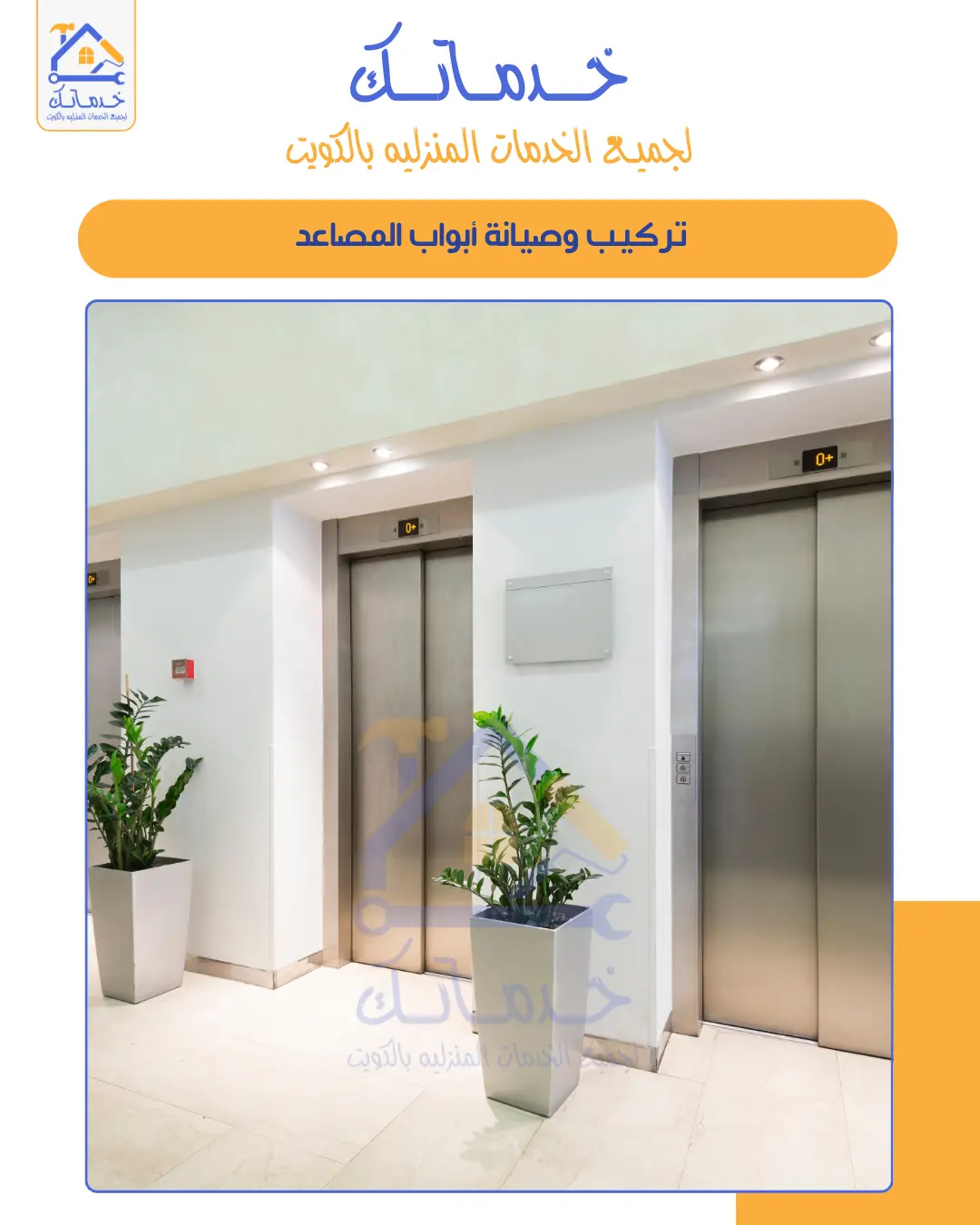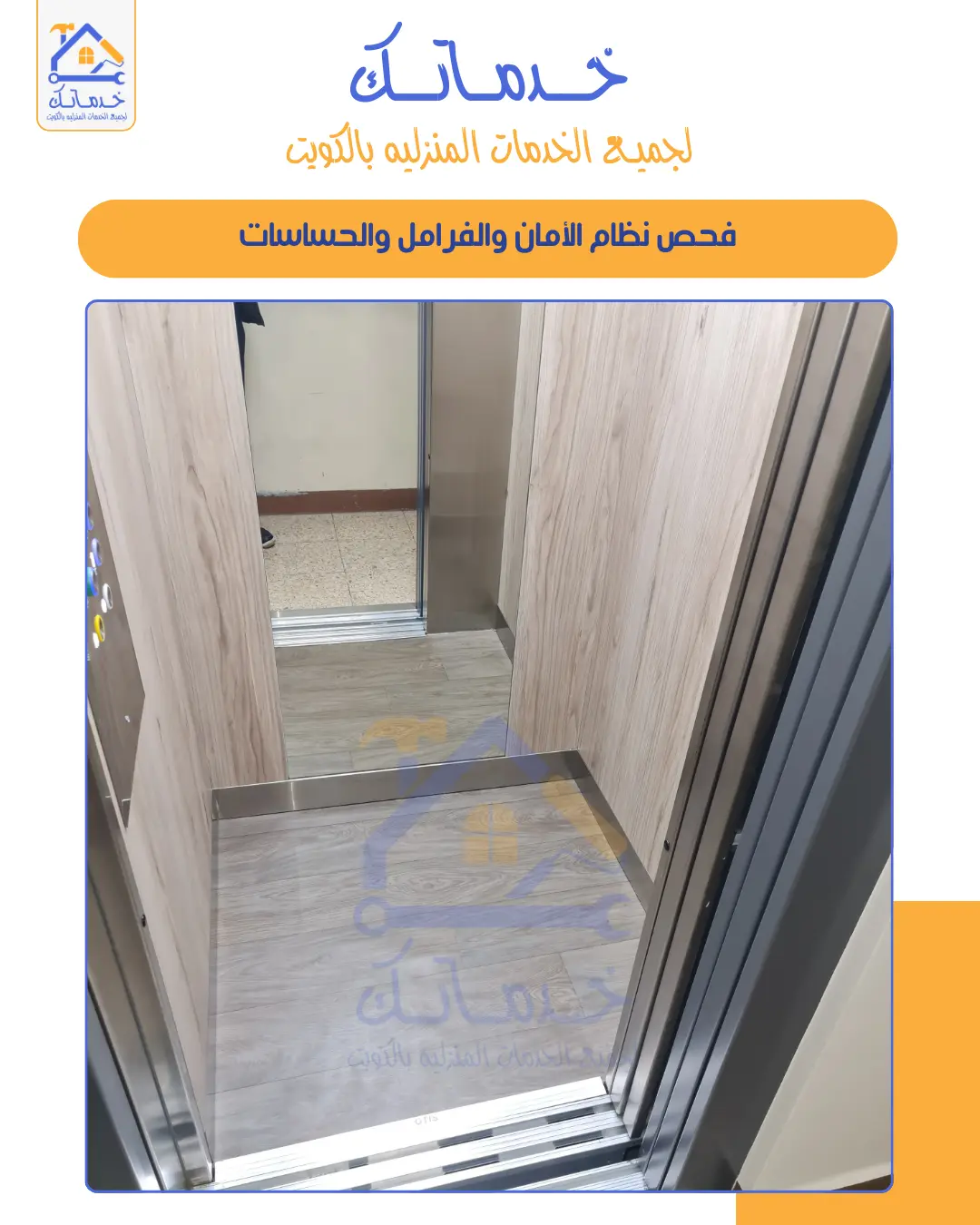
The elevator is considered one of the most important transportation systems inside residential and commercial buildings, and any change in its operation, such as vibration or unusual sounds, may cause concern among users and indicate a problem that requires inspection.
One of the most noticeable issues with continuous use is that the elevator vibrates during movement, especially while going up or down. The reason may be related to cabin balance, movement systems, or some mechanical components.
Therefore, dealing with this problem requires specialized inspection rather than random adjustments.
Elevator vibration inspection in Kuwait helps identify the source of the vibration accurately and perform the appropriate adjustment or repair to maintain elevator safety and smooth operation.
Elevator Vibration During Movement and Reasons Behind Vibration While Operating
The problem of elevator vibration during movement is one of the signs that requires attention because normal elevator movement should be smooth and stable without noticeable shaking felt by passengers while traveling between floors.
Vibration may appear at the beginning of operation, during ascending, or when stopping, and each situation may have different causes that require accurate diagnosis.
Elevator movement depends on an integrated system that includes the motor, ropes or belts depending on the elevator type, guide rails, guidance system, cabin, and control systems.
When one of these components has a problem, noticeable vibration may appear.
When performing elevator vibration during movement inspection, the technician begins by monitoring elevator operation and identifying when the vibration appears.
The cabin movement, balance level, guide components, and any parts requiring adjustment are inspected.
Through practical experience, some building owners believe that vibration means a major failure, but sometimes the cause is simple, such as incorrect adjustment of certain components or wear in a part that needs replacement.
Therefore, early diagnosis helps prevent the problem from developing and reduces repair costs.
Ignoring vibration for a long time may increase pressure on other elevator components and affect movement quality.
After identifying the cause, the suitable solution is selected, whether adjustment, maintenance, or replacing a specific component according to its condition.
Important points about elevator vibration during movement:
-
Vibration can result from different causes and does not always indicate a major failure.
-
Early inspection helps prevent the problem from affecting other components.
-
Correct diagnosis is the first step toward achieving stable elevator movement.
Elevator Vibrates During Ascending and Reasons Behind Unstable Cabin Movement
The problem of elevator vibrates during ascending is one of the issues users notice clearly because ascending should be smooth and comfortable without feeling shaking or imbalance.
Vibration during ascending may occur due to problems in the guidance system, improper balance adjustment, abnormal friction between moving components, or faults in some operating parts.
When checking an elevator vibrates during ascending issue, the technician analyzes cabin movement from the beginning of operation until reaching the required floor.
The smoothness of movement is checked, and any resistance or friction affecting the elevator path is identified.
The guide components are also inspected to ensure they are working properly.
Through practical experience, some vibrations appear only at a specific speed or during a certain stage of movement, which helps the technician identify the source of the problem more accurately.
Therefore, relying only on observation without specialized inspection may lead to incorrect diagnosis.
The required components are then adjusted, or damaged parts are replaced according to their condition.
The goal is not only to temporarily reduce vibration but also to restore stable movement and reduce the possibility of the problem returning.
Important points about elevator vibration during ascending:
-
Identifying when vibration appears helps discover the cause faster.
-
Adjusting the movement system improves passenger comfort.
-
Professional inspection prevents temporary solutions that do not fix the root problem.
Elevator Vibration Inspection in Kuwait and the Importance of Accurate Diagnosis Before Repair
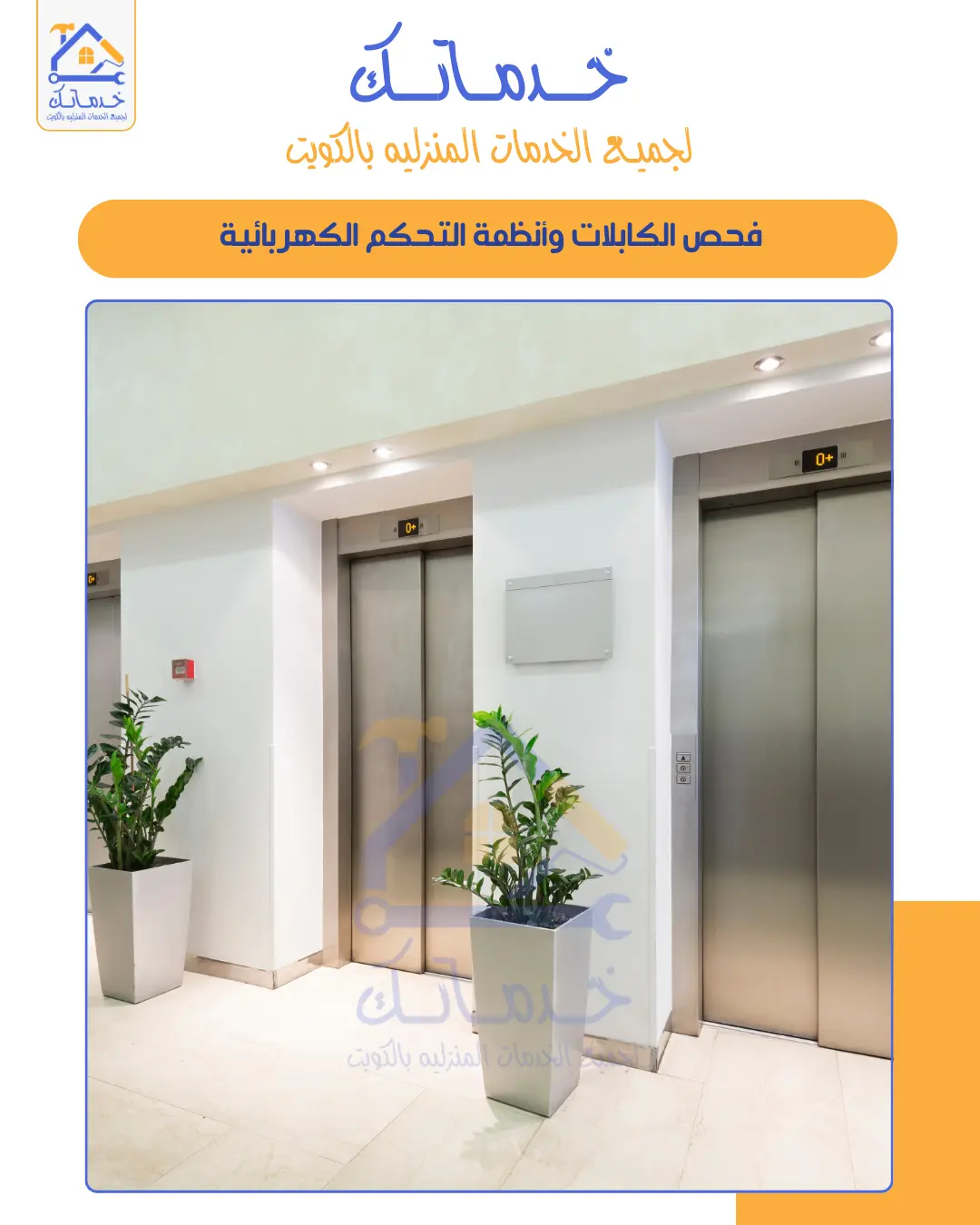
Elevator vibration inspection in Kuwait is an essential step before performing any maintenance because vibration can result from several causes and cannot be identified only by external observation.
During inspection, all systems related to elevator movement are evaluated to determine the component responsible for instability.
This includes checking the cabin, guidance system, motor, mechanical components, and control systems depending on the elevator type.
The elevator movement is also tested at different stages to determine when vibration begins and whether it appears during acceleration, stopping, or continuous movement.
Through practical experience, some unsuccessful repairs happen because a component is replaced before confirming that it is the actual cause of the problem.
A working part may be replaced while the real issue is related to adjustment or balance.
Therefore, accurate inspection saves time and cost and ensures the correct repair is performed.
Inspection also helps detect signs of wear before they develop into larger failures affecting elevator performance.
After completing diagnosis, the appropriate solution is provided according to the elevator condition and the nature of the problem.
Important points about elevator vibration inspection in Kuwait:
-
Accurate diagnosis prevents unnecessary part replacement.
-
Movement testing helps identify the vibration source.
-
Regular inspection maintains elevator efficiency for a longer period.
Elevator Balance Adjustment to Improve Movement Smoothness and Reduce Vibration
Elevator balance adjustment is one of the important procedures when movement problems appear because proper balance helps the cabin move more smoothly and stably between floors.
Any imbalance may increase vibration or create an uncomfortable feeling for passengers while using the elevator.
When performing elevator balance adjustment, the load distribution, cabin movement, and coordination between operating systems are inspected to ensure everything works properly.
The components related to balance and movement are reviewed according to the elevator design and type.
Through practical experience, some vibration problems do not require replacing major parts but can be solved through accurate adjustment of existing components.
Therefore, proper evaluation helps choose the most effective and cost-efficient solution.
Important points about elevator balance adjustment:
-
Correct balance improves passenger comfort during movement.
-
Proper adjustment reduces pressure on operating components.
-
Inspection before adjustment ensures the work is performed correctly.
Elevator Vibration Diagnosis and Identifying the Real Cause Before Maintenance

Elevator vibration diagnosis is one of the most important stages before any repair because vibration may result from a simple issue or a problem in one of the main systems controlling elevator movement.
The cause cannot be identified only by feeling the vibration inside the cabin because the same symptom may result from different reasons such as balance problems, guide components, motor issues, or movement system failures.
When performing elevator vibration diagnosis, the technician monitors elevator performance and analyzes cabin movement during ascending, descending, and stopping.
The timing and intensity of vibration are identified, including whether it appears at the beginning of movement, during high speed, or when reaching the floor.
Mechanical and electrical components related to movement are also inspected to confirm their condition.
Through practical experience, random diagnosis may lead to repairing a component that is not responsible for the problem, causing vibration to continue despite paying maintenance costs.
Therefore, following organized inspection steps helps identify the real cause and perform the correct solution.
After identifying the vibration source, a repair plan is prepared, whether by adjusting components, maintaining the damaged part, or replacing it when necessary.
Important points about elevator vibration diagnosis:
-
Accurate identification of vibration causes prevents unnecessary repairs.
-
Analyzing elevator movement helps discover the source of the issue.
-
Professional diagnosis provides a long-term solution instead of temporary treatment.
Elevator Cabin Vibration Repair and Treating Unstable Movement Problems
Elevator cabin vibration repair is a service aimed at restoring normal elevator movement and reducing passenger discomfort during operation.
The elevator cabin depends on several systems that help it move steadily, and any problem in one of these systems may cause noticeable vibration.
When performing elevator cabin vibration repair, the cabin, movement path, and connected components are inspected to determine the reason behind instability.
The cause may be related to guide components, imbalance between parts, or the need for adjustment in the movement system.
Through practical experience, some vibrations begin as minor issues and gradually become worse because the elevator continues operating without treating the actual cause.
Therefore, early intervention helps protect other components and reduce maintenance costs.
After identifying the cause, the suitable repair is performed and cabin movement is tested to confirm performance improvement.
The main goal of repair is not only stopping vibration but also improving user experience and making elevator movement smoother and safer.
Important points about elevator cabin vibration repair:
-
Treating the vibration cause is better than only dealing with symptoms.
-
Early repair reduces the effect on other elevator components.
-
Testing the cabin after maintenance confirms repair quality.
Elevator Movement Testing to Confirm Stable Operation After Maintenance
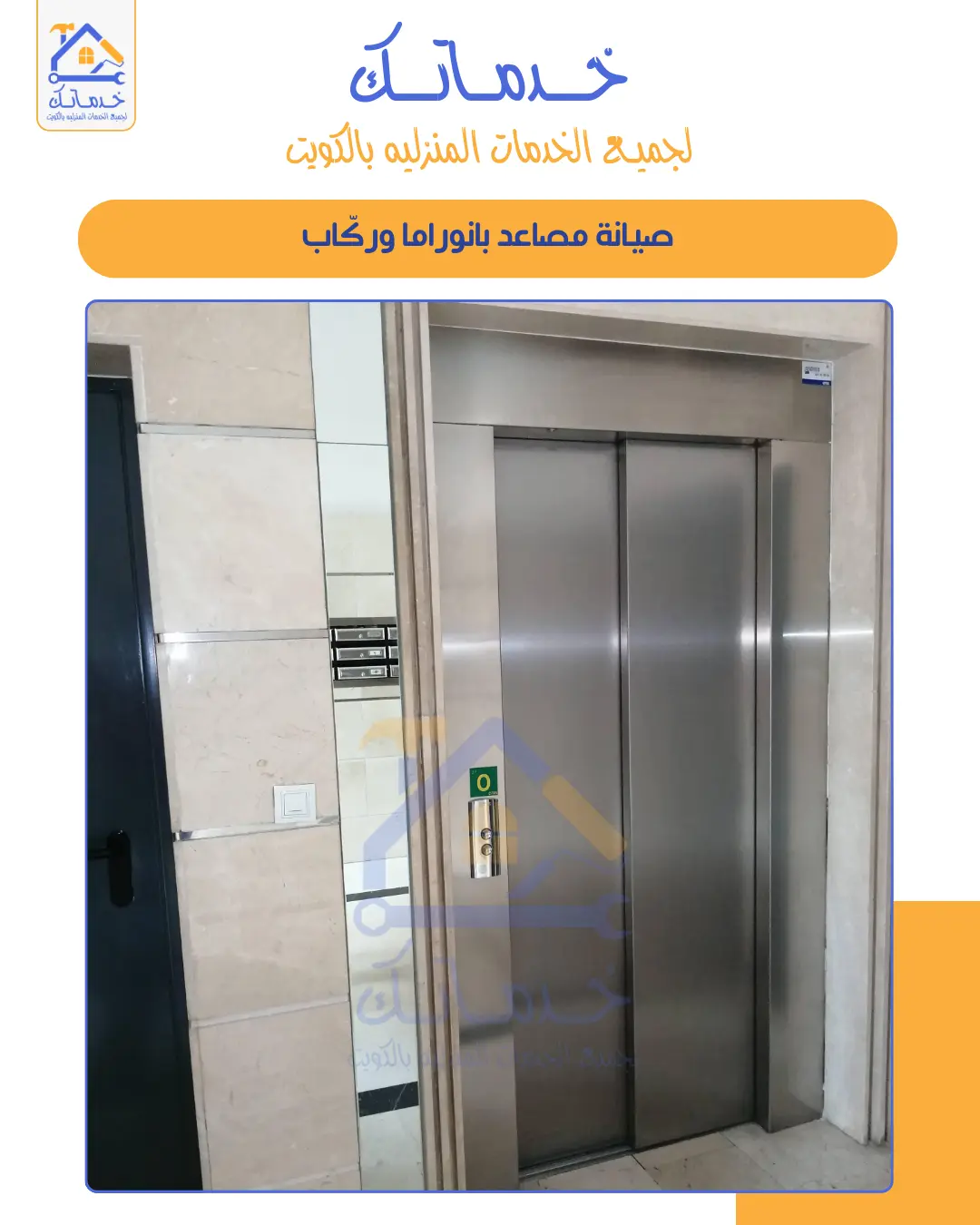
Elevator movement testing is an essential step after any inspection or repair because it confirms that all systems are working together properly and that the vibration problem has actually been solved.
Repairing the damaged component alone is not enough; the elevator must be tested during complete operation.
When performing elevator movement testing, the elevator is operated several times while monitoring ascending, descending, and stopping performance.
The smoothness of starting movement, speed stability, and stopping accuracy at floors are checked.
Any unusual sound or remaining vibration after maintenance is also observed.
Through practical experience, some problems only appear during actual operation, making the final testing an important part of the repair process.
Testing also confirms that the adjustments performed have restored the elevator to the required performance level.
Important points about elevator movement testing:
-
Final testing confirms the success of maintenance work.
-
Monitoring all movement stages reveals any remaining problems.
-
Trial operation helps maintain elevator quality and safety.
Elevator Inspection Technician in Kuwait and Experience in Detecting Vibration Problems
Choosing a specialized elevator inspection technician in Kuwait is an important step when any elevator movement problem appears because vibration diagnosis requires experience with both mechanical and electrical elevator systems.
A professional technician does not directly replace components but begins by inspecting the elevator and analyzing the cause of the problem.
When hiring an elevator inspection technician in Kuwait, the complete elevator condition is evaluated and the parts requiring adjustment or maintenance are identified.
The cabin movement, guidance systems, balance, and different operating components are inspected according to the elevator type.
Through practical experience, dealing with vibration without understanding the cause may lead to temporary solutions that do not prevent the problem from returning.
Therefore, choosing an experienced technician helps perform more accurate maintenance and preserves elevator lifespan.
After inspection, the suitable action is determined and the elevator is tested to confirm movement stability.
Important points when choosing an elevator inspection technician in Kuwait:
-
Experience helps discover vibration causes more accurately.
-
Specialized inspection reduces unnecessary repairs.
-
Qualified technicians ensure maintenance is performed correctly.
Solving Elevator Vibration Problem and Maintaining Stable Movement for Longer Periods
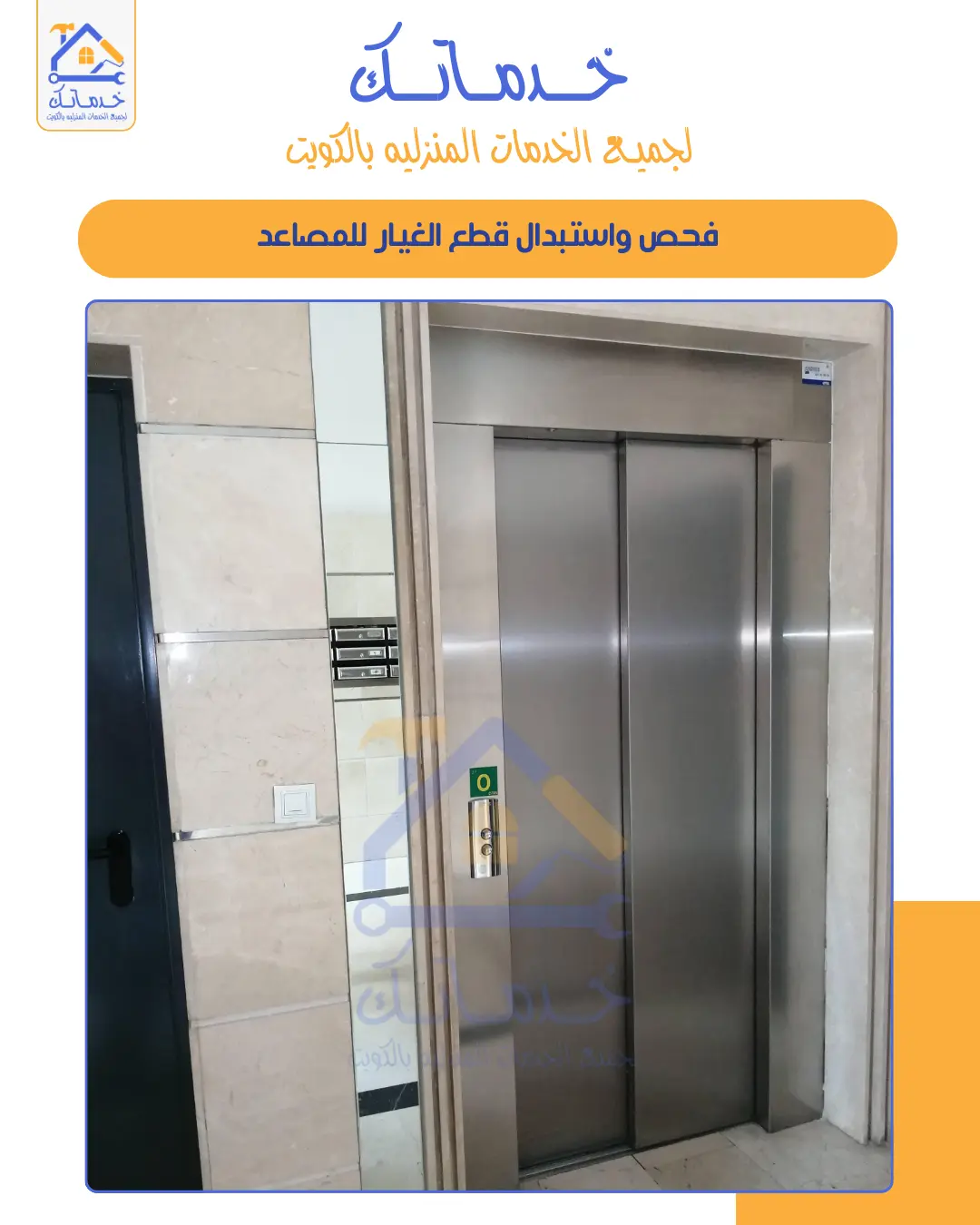
Solving elevator vibration problem is a process that depends on identifying the main cause rather than only reducing the feeling of vibration temporarily.
The solution may require adjusting certain components, repairing movement system parts, or replacing a damaged component according to the inspection results.
When performing solving elevator vibration problem, a suitable repair plan is prepared based on the elevator condition and the type of operating system used.
Through practical experience, the best solutions are those that treat the source of the problem and prevent it from happening again instead of relying on temporary procedures.
Regular follow-up also helps detect any changes in elevator performance before the problem becomes more serious.
Important points about solving elevator vibration problem:
-
Treating the main cause provides better and longer-lasting results.
-
Regular maintenance reduces the possibility of vibration returning.
-
The correct solution depends on accurate elevator condition assessment.
Elevator Movement Maintenance to Preserve Smooth Operation and Reduce Failures
Elevator movement maintenance is one of the essential procedures that helps maintain elevator performance and reduce problems that appear with continuous use, especially because the movement system depends on several components working together with high accuracy.
Over time, some movement components may experience wear or require adjustment due to frequent operation, which can lead to vibration or unusual sounds during movement.
When performing elevator movement maintenance, the components connected to cabin movement are inspected and confirmed to be operating correctly.
Maintenance includes reviewing guidance systems, movement components, balance systems, motor operation, and control systems according to the elevator type and design.
The technician also checks for parts that may require lubrication, adjustment, or replacement due to long-term use.
Through practical experience, regular maintenance helps discover problems in their early stages before they become failures that affect passenger comfort or stop elevator operation.
Attention to elevator movement also helps extend component lifespan and reduces the need for major repairs in the future.
After completing maintenance, the elevator is tested to confirm that movement has become smoother and more stable.
Important points about elevator movement maintenance:
-
Regular maintenance reduces the possibility of vibration and movement problems.
-
Periodic component inspection helps detect failures early.
-
Maintaining the movement system extends elevator lifespan and improves user experience.
Conclusion
The problem of elevator vibration during movement requires specialized inspection to identify the actual cause before performing any repair because vibration may result from a simple balance issue or a problem requiring maintenance of movement components.
Through services such as elevator vibration inspection in Kuwait, elevator balance adjustment, and elevator cabin vibration repair, elevator performance can be improved and movement can be restored to a more stable level.
The issue of elevator vibrates during ascending should not be ignored because continuous vibration may increase pressure on some components and lead to larger failures.
Relying on an experienced elevator inspection technician in Kuwait who specializes in diagnosing elevator problems helps identify the correct cause and perform the suitable solution instead of replacing parts unnecessarily.
Regular elevator movement maintenance and performing elevator movement testing after maintenance contribute to preserving system efficiency and reducing future problems.
In the end, the best way to deal with elevator vibration is to begin with accurate inspection and then perform the appropriate maintenance according to elevator condition, because correct diagnosis is the foundation for achieving safe and smooth movement for a long time.
Frequently Asked Questions
Why does the elevator vibrate during movement?
The cause may be cabin imbalance, guidance system problems, components requiring adjustment, or a failure in some movement parts.
Is elevator vibration during ascending a serious problem?
Not always, but it should not be ignored because early inspection helps identify the cause and prevent the problem from developing.
How is elevator vibration inspected?
The elevator movement is tested, the timing of vibration is observed, and movement-related components, balance systems, and guidance parts are inspected.
Does elevator vibration always require replacing parts?
No. The problem may be solved through adjustment or maintenance, so diagnosis should be completed before replacing any component.
How often should elevator movement maintenance be performed?
It depends on the elevator type and usage level, but regular maintenance helps detect problems early and preserve performance.
Can elevator vibration be solved without stopping the elevator for a long time?
It depends on the cause of the problem. Some adjustments and maintenance procedures are simple, while other repairs may require more time depending on elevator condition.
Why should a specialized elevator inspection technician be hired?
Because elevators are precise systems containing mechanical and electrical components, and diagnosis requires experience to avoid incorrect repairs.
Is elevator movement testing necessary after maintenance?
Yes. Testing confirms that the elevator operates smoothly and that the vibration problem has been properly addressed.