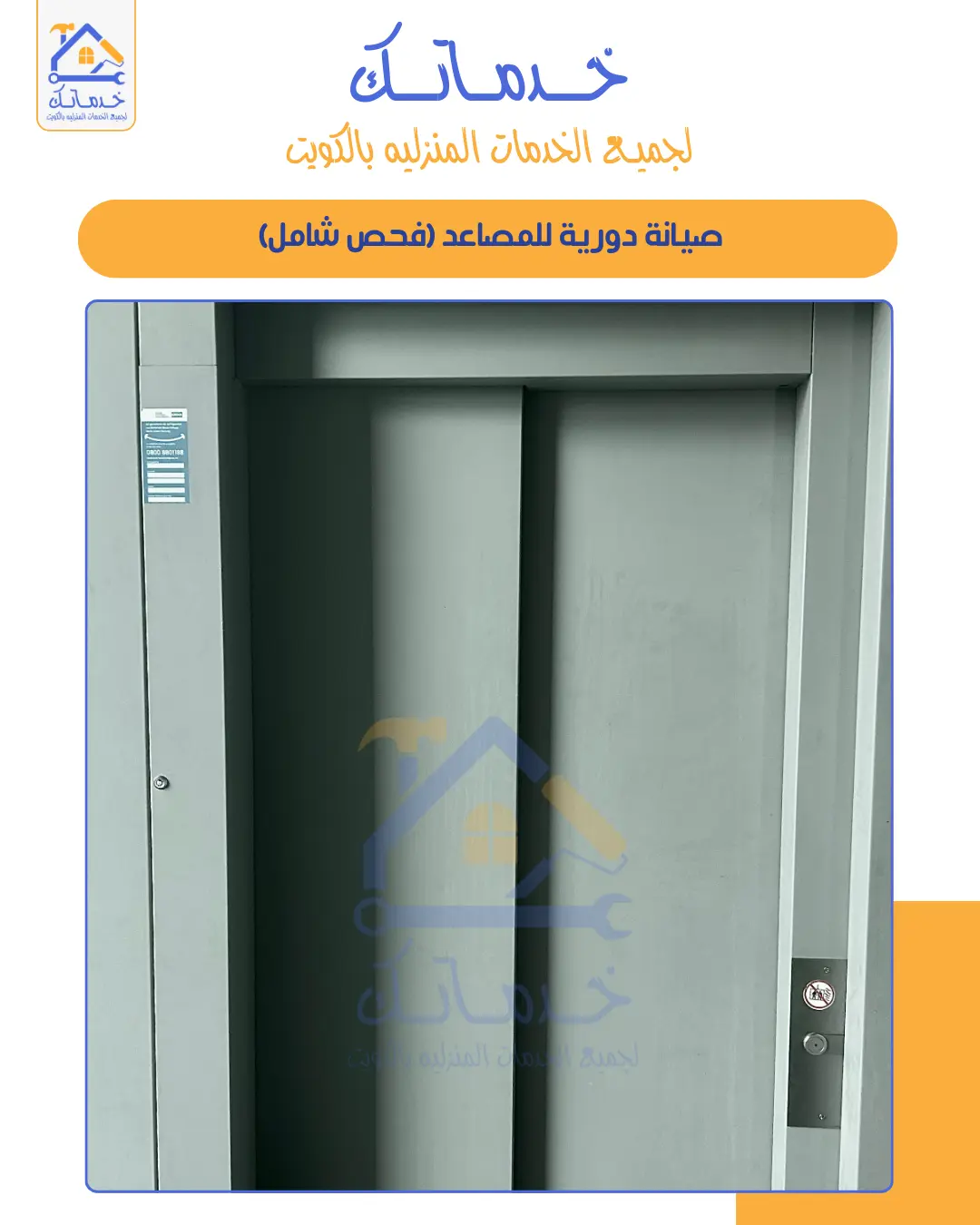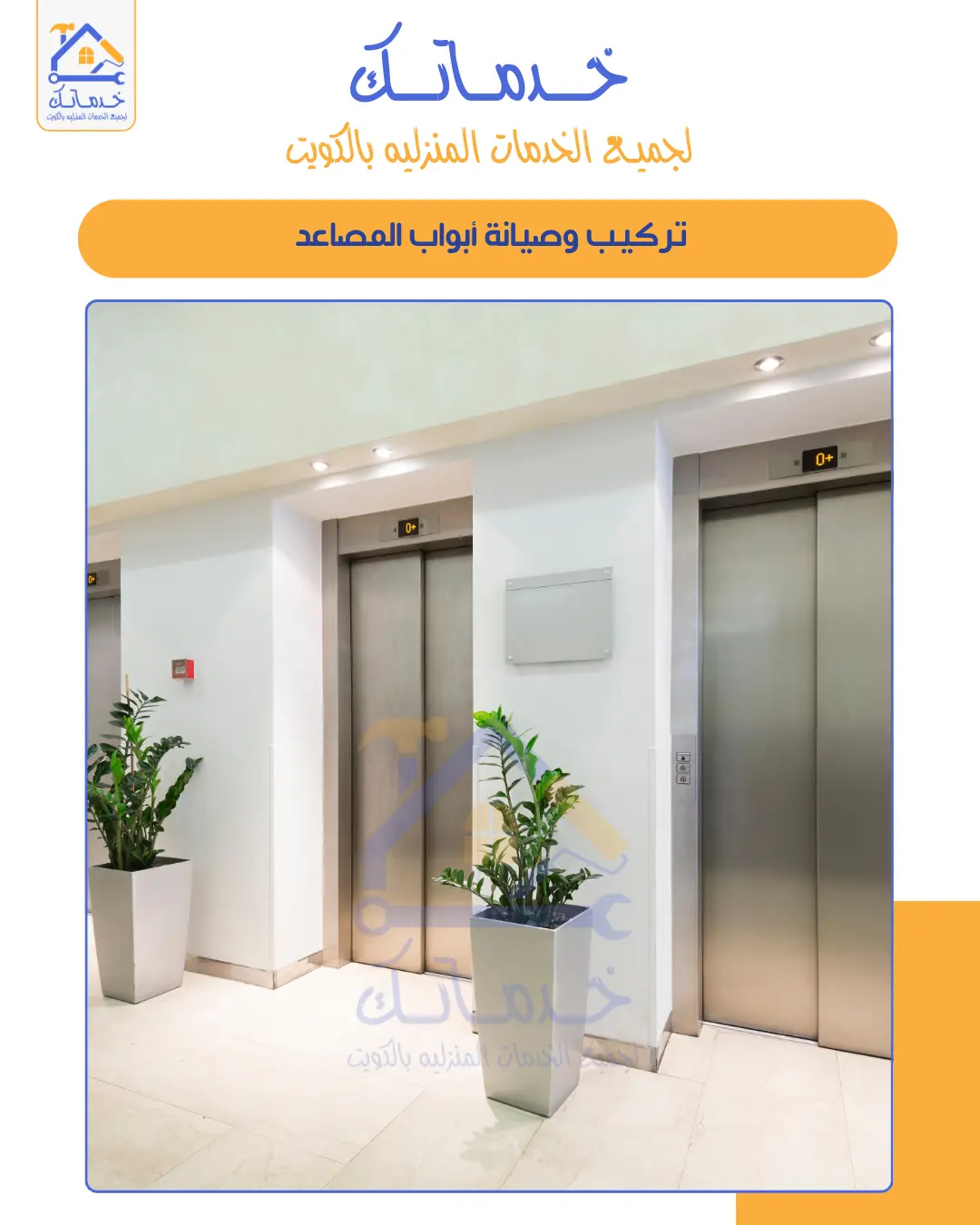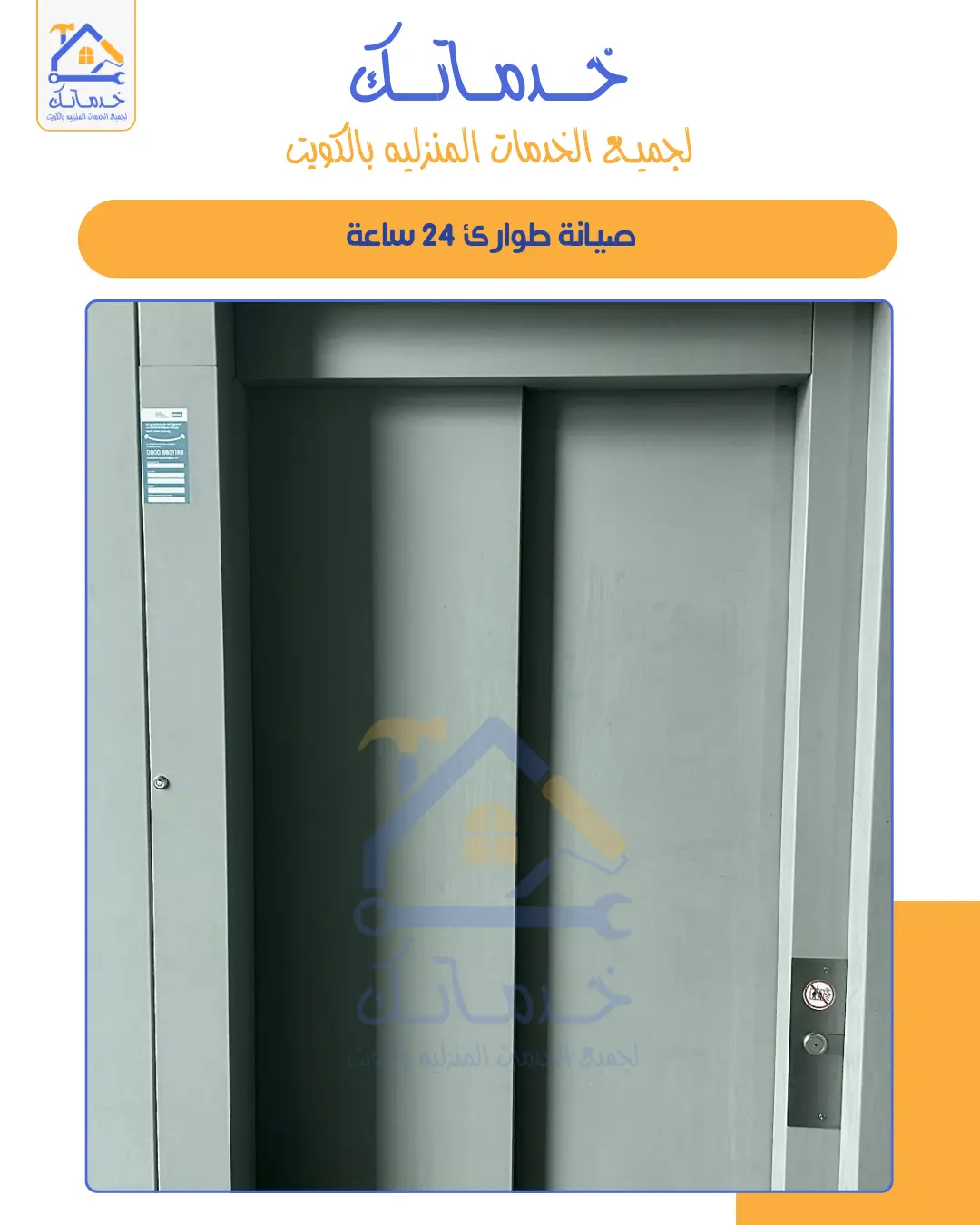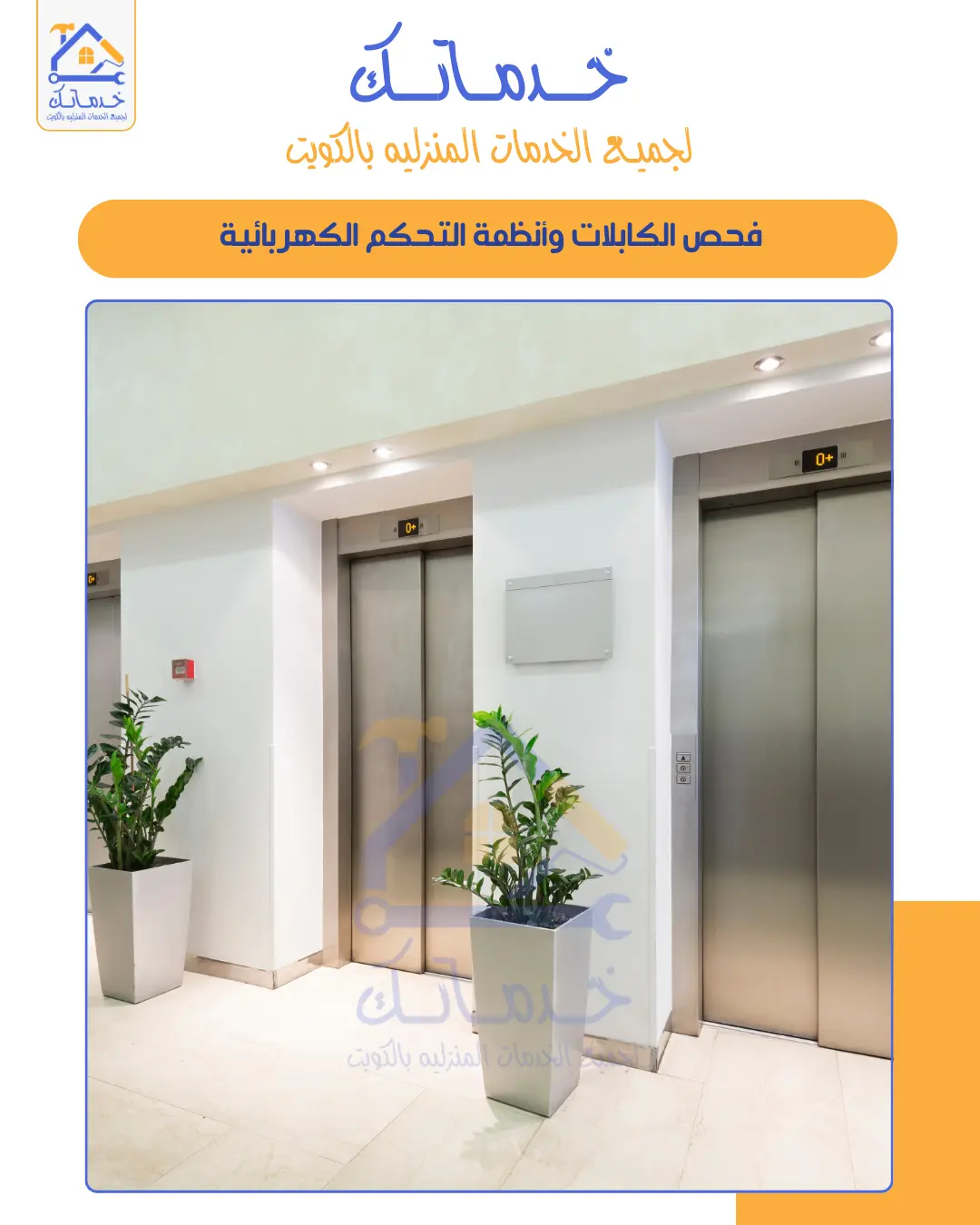
Elevator safety inspection and documentation in Kuwait is one of the essential procedures that helps ensure elevators are ready for use and maintain the safety of people inside residential and commercial buildings. Elevators depend on a combination of electrical and mechanical systems that require continuous inspection to confirm efficient operation. The inspection process includes reviewing safety systems, testing brakes and sensors, checking operating efficiency, and preparing technical reports that explain elevator condition. Safety certificates and periodic reports also help monitor elevator performance and identify necessary actions before failures occur. Therefore, relying on a specialized company for regular elevator inspections provides accurate evaluation and maintains the required safety standards for buildings.
Elevator Safety Inspection in Kuwait to Ensure System Readiness and Protect Users
Elevator safety inspection in Kuwait is one of the most important procedures that should be performed regularly to ensure that elevators operate according to required safety standards. Elevators are not simply transportation equipment inside buildings; they are integrated systems containing electrical and mechanical components that require continuous monitoring.
The inspection process begins with a complete elevator assessment and evaluation of all essential components.
The technician reviews the motor, control panel, doors, safety systems, and sensors connected to operation.
Through practical experience, regular inspections help identify small issues before they develop into failures affecting user safety.
The inspection includes testing elevator movement between floors and confirming stopping accuracy and smooth operation.
Emergency systems are also reviewed to ensure proper response in different situations.
Technical observations are recorded, and components requiring maintenance or adjustment are identified.
Inspection procedures vary depending on elevator type, operating hours, and building usage.
Elevators installed in towers and commercial complexes require more frequent monitoring due to continuous operation.
Therefore, elevator safety inspection in Kuwait through a specialized technician helps maintain elevator efficiency and reduce the possibility of unexpected problems.
Issuing a Technical Elevator Condition Report to Document Failures and Technical Observations Accurately
Issuing a technical elevator condition report is an important step after inspection because it provides a clear record showing elevator status, tested components, and any observations requiring attention. The report helps building owners make correct decisions regarding maintenance and improvements.
The report preparation process begins after completing inspection of all elevator systems.
The technician records the condition of the control panel, motor, doors, sensors, and safety systems.
Through practical experience, a good technical report does not only identify the problem but also explains its cause and suitable solutions.
The report includes operating test results, elevator efficiency level, and safety-related observations.
It also identifies components requiring maintenance or replacement before causing unexpected shutdowns.
Periodic reports help monitor elevator condition changes over time.
They also assist building management in organizing maintenance work based on clear technical information.
Continuous documentation provides property owners with a better understanding of elevator performance and expected future expenses.
Therefore, issuing a technical elevator condition report is an important tool for maintaining safe operation and making well-planned maintenance decisions.
Testing Safety Systems in Electric Elevators to Ensure Protection During Operation
Testing safety systems in electric elevators is one of the most important inspection stages because these systems are responsible for protecting users and preventing elevator operation under unsafe conditions. Modern elevators depend on multiple protection features that require regular verification.
The testing process begins by checking emergency stopping systems, sensors, and safety devices connected to the elevator.
The technician tests system response and confirms that they operate according to correct settings.
Through practical experience, safety system testing helps detect hidden failures that may not appear during normal operation.
Testing includes checking door sensors and movement prevention systems during unsafe conditions.
Brake systems are also tested to confirm their ability to stop the elevator when required.
Warning signals and emergency systems are reviewed as well.
After completing tests, results are recorded in the elevator technical report.
These procedures help reduce risks and maintain user confidence during elevator operation.
Therefore, testing safety systems in electric elevators through a specialized technician is an essential step for maintaining elevator safety and operational efficiency.
Checking Elevator Operating Efficiency Before Use to Confirm Performance and Stability
Checking elevator operating efficiency before use is an important procedure performed to ensure that the elevator is ready for safe operation after installation, maintenance, or repair work. This inspection helps identify problems that may affect elevator movement or user comfort before actual operation begins.
The inspection process starts by testing the elevator on all floors and monitoring upward and downward movement.
The technician measures stopping accuracy, response speed, and movement smoothness.
Through practical experience, testing elevators before use prevents unexpected problems after daily operation begins.
The inspection includes reviewing automatic doors and confirming proper opening and closing speed.
The control panel is also tested to ensure commands are received correctly.
Noise and vibration levels during movement are checked to confirm normal operation.
Safety systems are then reviewed to ensure proper response under different conditions.
Inspection results are documented and any required adjustments are identified before elevator approval.
Inspection procedures vary depending on elevator type and whether it is used in residential or commercial buildings.
Therefore, checking elevator operating efficiency before use helps ensure stable operation and protects users from unexpected failures.
Documenting Elevator Safety for Residential Buildings to Monitor Elevator Condition Regularly
Documenting elevator safety for residential buildings is an important procedure that helps property owners and building managers monitor elevator condition and maintain required safety standards. Maintaining a clear inspection and maintenance record makes it easier to understand elevator status and take appropriate actions at the right time.
The documentation process begins after technical inspection and recording all elevator test results.
The technician documents the condition of major components such as the motor, control panel, safety systems, and doors.
Through practical experience, maintaining regular elevator records helps identify changes that occur over time.
Documentation includes previous maintenance procedures, completed repairs, and replaced components.
It also helps schedule future inspections and monitor elevator performance continuously.
Residential buildings with multiple elevators benefit greatly from organized safety records.
Documentation provides important information when upgrading the elevator or replacing certain components.
It also improves communication between building management and maintenance technicians.
Therefore, documenting elevator safety for residential buildings is an effective method for preserving elevator condition and improving safety levels for residents.
Inspecting Elevator Brakes and Stopping Systems to Confirm Protection During Emergencies
Inspecting elevator brakes and stopping systems is one of the most important safety tests performed during periodic inspections because brakes are essential components responsible for controlling elevator movement and stopping the cabin when needed. Any malfunction requires immediate attention to protect users.
The inspection process begins by reviewing brake system condition and related components.
The technician tests brake response and confirms the ability to hold the cabin securely.
Through practical experience, regular brake inspection helps detect wear signs before major problems occur.
The inspection includes reviewing mechanical and electrical components connected to stopping systems.
Additional protection systems are also tested to ensure proper operation during failures.
Elevator stopping performance is tested under different conditions to verify response speed and accuracy.
After completion, inspection results are documented in the elevator technical report.
These procedures reduce failure risks and maintain safe elevator operation.
They are especially important for elevators installed in high-traffic buildings.
Therefore, inspecting elevator brakes and stopping systems through a specialized technician is an essential step for maintaining complete elevator safety.
Testing Safety Sensors Inside Elevators to Detect Failures and Improve Protection Levels
Testing safety sensors inside elevators is an important procedure that ensures protection systems operate efficiently. Sensors play a major role in monitoring elevator movement, doors, and floor positioning while sending signals to the control panel.
The testing process begins by inspecting all sensors connected to operating and safety systems.
The technician confirms sensor accuracy and verifies response to different signals.
Through practical experience, some elevator failures are caused by a simple malfunction in one sensor.
Testing includes checking door sensors, floor positioning sensors, and movement-related sensors.
Electrical connections are also reviewed to ensure there are no damaged wires or weak signals.
Sensors are cleaned and adjusted according to elevator settings when required.
After completing the test, the elevator is operated while monitoring system response.
These procedures help prevent operation under unsafe conditions and reduce repeated failures.
They also maintain elevator movement accuracy and improve user experience.
Therefore, regular testing of safety sensors inside elevators is an essential part of preventive maintenance and safety programs.
Cost of Elevator Inspection in Kuwait and Factors Determining Technical Testing and Report Prices
The cost of elevator inspection in Kuwait varies depending on elevator type, building size, required tests, and the technical report details prepared after inspection. There is no fixed price for all elevators because each system requires a different evaluation based on its condition and operating components.
The cost evaluation process begins by identifying elevator type, installation location, and daily usage level.
The technician determines required inspections, including safety system testing, control panel evaluation, brake inspection, and sensor testing.
Through practical experience, a comprehensive inspection is often more beneficial than a quick check because it reveals problems that may not appear during normal operation.
Inspection costs usually include technical assessment, operating tests, and preparation of the final report.
Prices also vary depending on building type, whether it is a villa, residential building, tower, or commercial complex.
Some elevators require additional testing due to age or heavy usage.
The experience of the inspection provider and the quality of the technical report also affect the final service value.
An accurate report helps identify maintenance requirements and prevents unexpected repair expenses.
Therefore, the cost of elevator inspection in Kuwait depends on the required inspection scope and elevator condition rather than price alone.
Choosing a specialized provider ensures more accurate evaluation and helps maintain elevator safety.
A Specialized Company for Periodic Elevator Inspection to Monitor Performance and Detect Problems Early
A specialized company for periodic elevator inspection is an important choice for buildings seeking to maintain elevator safety and reduce unexpected failures. Regular inspection is not only about finding problems after they occur but also about monitoring elevator condition and identifying early warning signs.
Inspection services begin with a site visit and complete elevator assessment.
Technicians inspect electrical systems, mechanical components, and safety features related to operation.
Through practical experience, regular monitoring helps extend elevator lifespan and reduce the need for major repairs.
Inspections include testing motors, control panels, doors, brakes, and sensors.
The elevator performance level is reviewed, and any observations requiring attention are recorded.
Specialized companies provide clear reports that help building management monitor elevator condition.
They can also create suitable maintenance schedules based on elevator type and usage level.
Inspection plans differ between residential and commercial elevators because operating intensity varies.
Depending on a specialized provider gives building owners greater confidence in inspection accuracy and service quality.
Therefore, working with a specialized company for periodic elevator inspection helps maintain safe operation and reduce future elevator failures.
Elevator Safety Certificates for Commercial Buildings to Prove System Readiness and Safe Operation
Elevator safety certificates for commercial buildings are important documents that help verify elevator condition and confirm that installed systems are ready for operation. Commercial elevators require a higher level of monitoring due to heavy daily usage and large numbers of users.
The certification process begins with a complete inspection of all elevator systems.
The technician reviews control systems, safety features, brakes, sensors, and overall operating performance.
Through practical experience, documenting elevator condition helps demonstrate compliance with safety procedures and maintain service quality.
The certificate includes technical test results and observations related to elevator condition.
It also explains system readiness and identifies areas requiring improvement.
Shopping centers, office buildings, and commercial properties require continuous monitoring because elevators operate frequently throughout the day.
Certificates and reports help organize maintenance work and support proper decision-making.
They also provide greater confidence for building management and users regarding elevator safety.
Therefore, elevator safety certificates for commercial buildings are an important part of modern building management and maintaining safe, organized elevator operation.
Conclusion
Elevator safety inspection and documentation in Kuwait is one of the most important procedures for maintaining elevator efficiency and ensuring safe operation in residential and commercial buildings. Periodic inspection is not only designed to detect failures but also helps monitor elevator condition and confirm that all systems are ready.
Inspection services include testing safety systems, checking brakes and sensors, evaluating operating efficiency, and preparing technical reports that accurately explain elevator status.
Safety certificates and inspection reports also help organize maintenance work and support proper decisions before problems affect users.
Relying on a specialized company for periodic elevator inspection provides professional evaluation, helps extend elevator lifespan, and reduces unexpected repair costs.
Therefore, documenting elevator safety and performing regular inspections are important investments for maintaining building safety and improving confidence in elevator systems used every day.
Frequently Asked Questions
Why is elevator safety inspection important?
Because it helps detect problems early and ensures all protection systems are working correctly.
What does periodic elevator inspection include?
It includes checking safety systems, brakes, sensors, control panels, and overall operating performance.
Is a report issued after elevator inspection?
Yes, a technical report is prepared explaining elevator condition, observations, and future maintenance requirements.
How much does elevator inspection cost in Kuwait?
The cost varies depending on elevator type, building size, and required inspection tests.
When should periodic elevator inspection be performed?
It depends on elevator type and usage level, but regular inspections are necessary to maintain safety.
Does inspection include testing emergency systems?
Yes, emergency protection and stopping systems are tested to confirm readiness.
Do commercial elevators require more inspection than residential elevators?
Yes, because commercial elevators operate more frequently and require more regular monitoring.
Why are elevator safety certificates important?
They document elevator condition, prove system readiness, and improve safety management inside buildings.