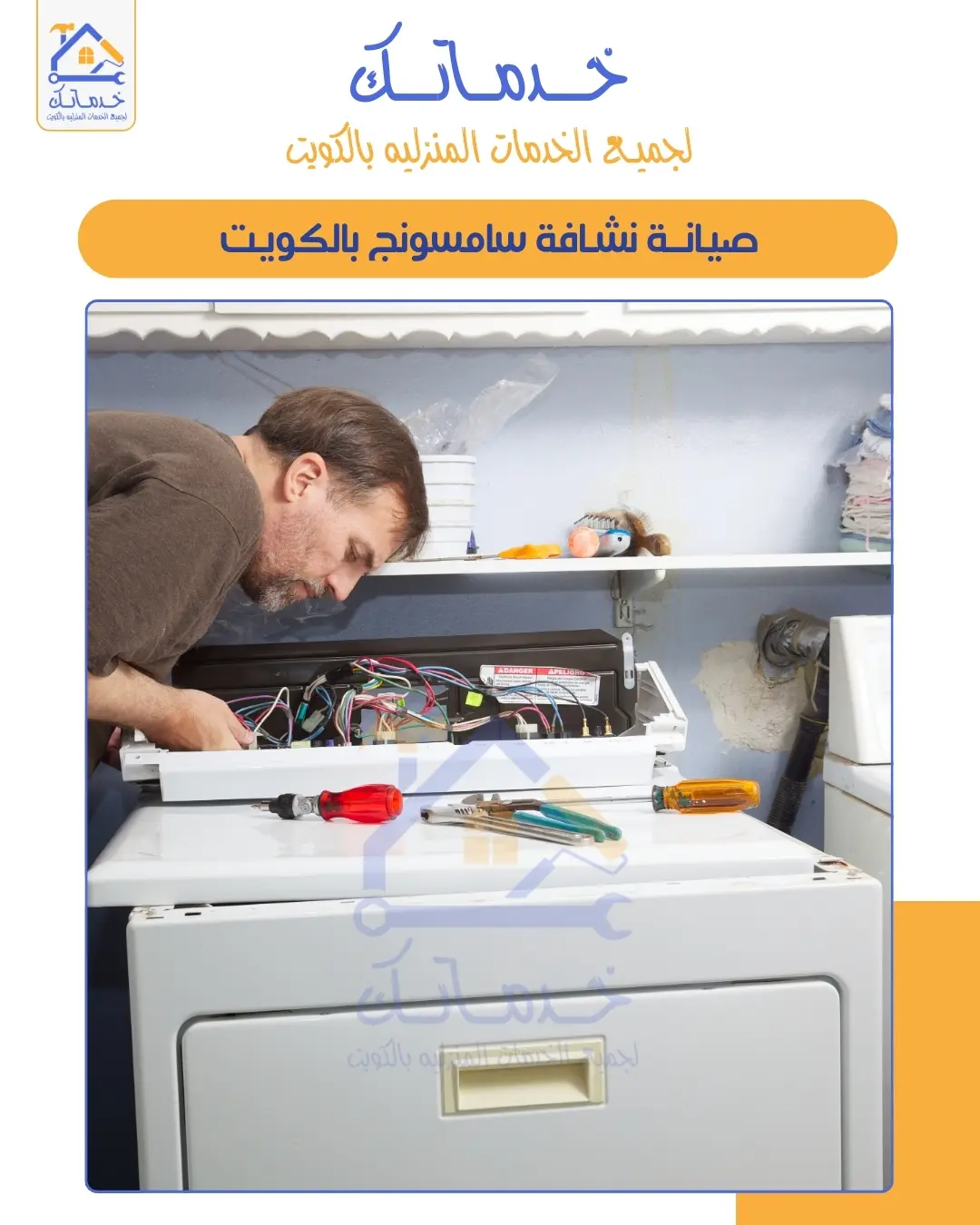
One of the most frustrating problems homeowners encounter is when an automatic dryer begins a drying cycle normally but suddenly stops before the program is completed. In some cases, the dryer shuts down only a few minutes after starting, while in others it stops near the middle or just before the end of the cycle. Sometimes it restarts after cooling down for several minutes, while other situations require multiple restart attempts before the drying program finally finishes. Based on extensive hands-on experience repairing clothes dryers throughout Kuwait, this type of malfunction is rarely caused by a single defective component. Instead, it may result from thermal protection systems, electronic control boards, temperature sensors, program timers, airflow restrictions, or several interconnected components working together. For this reason, identifying the real cause requires a systematic diagnostic process based on accurate measurements rather than replacing parts through trial and error. Proper diagnosis is always the foundation of a successful repair that restores long-term reliability.
Why Does an Automatic Dryer Stop in the Middle of the Program Even Though the Cycle Starts Normally?
When homeowners notice that the automatic dryer stops in the middle of the program, many immediately assume that the drive motor has failed or that an electrical interruption has occurred. Practical repair experience, however, demonstrates that these are not the most common causes. In many cases, the interruption is actually initiated by one of the dryer's built-in protection systems after detecting an operating condition that could damage internal components if the drying cycle continued. Professional technicians therefore begin by observing the complete drying process without interfering, carefully identifying the exact moment at which the dryer stops. They determine whether shutdown occurs during the initial heating stage, after internal temperatures reach a certain level, or while the dryer transitions from one operating phase to another. Electrical supply voltage is also monitored continuously to verify that the control system receives stable power throughout the cycle because even brief voltage fluctuations may temporarily reset sensitive electronic circuits without the homeowner realizing it. The technician then evaluates thermal protection devices, temperature and moisture sensors, thermal fuses, blower performance, and overall airflow through the ventilation system because restricted airflow frequently causes excessive internal temperatures that automatically activate protective shutdown mechanisms. Whenever available, stored fault history within modern electronic control systems is also reviewed and compared with live operating measurements obtained during testing. Practical field experience throughout Kuwait consistently demonstrates that systematic diagnosis prevents unnecessary replacement of functional components while accurately identifying the true reason why the drying cycle stopped prematurely, resulting in more reliable repairs and significantly lower maintenance costs.
How Does a Professional Technician Determine Why the Dryer Stops Before the Drying Cycle Ends?
Determining the reason why the dryer stops before completing the drying cycle represents the most critical stage of professional repair because identical symptoms may originate from entirely different mechanical or electronic faults. Rather than relying solely on the customer's description, experienced technicians reproduce the malfunction under actual operating conditions. The dryer is tested using realistic laundry loads while technicians record operating time, internal temperatures, electrical current consumption, and electronic control behavior throughout every stage of the program. If the dryer stops while the display remains illuminated, diagnosis follows a different path than when the entire appliance loses power. Likewise, technicians distinguish between situations where only the drum stops rotating while heating continues and situations where every operating function shuts down simultaneously. Door-lock circuitry is thoroughly tested because even a brief interruption in the safety lock signal can immediately terminate the drying program. Electrical wiring and connectors are carefully inspected for loose terminals, heat-related expansion, or intermittent connections that appear only under operating temperatures. Airflow throughout the complete ventilation system is also evaluated because lint accumulation frequently causes excessive heat buildup that triggers automatic safety shutdown before the drying cycle reaches completion. Extensive practical repair experience throughout Kuwait consistently demonstrates that accurate diagnosis depends upon combining electrical testing, mechanical inspection, airflow evaluation, and electronic system analysis rather than focusing on a single component. This comprehensive methodology produces precise repairs, prevents unnecessary parts replacement, and greatly reduces the likelihood of repeated failures.
Why Does the Dryer Suddenly Shut Off While Drying Clothes Even Though It Operates Normally at First?
One of the most confusing faults homeowners experience occurs when the dryer suddenly shuts off while drying clothes, despite operating perfectly during the first several minutes of the cycle. Many users initially believe the interruption is temporary and simply restart the dryer, only to discover that the same problem returns repeatedly. Practical repair experience shows that this behavior often develops because one internal component gradually reaches an abnormal operating temperature or because a fault appears only after the dryer has been running under load for a certain period. Professional technicians therefore measure temperatures of the drive motor, heating element, electronic control board, and blower assembly while the dryer remains in operation instead of waiting until after shutdown occurs. Many heat-related faults disappear once internal temperatures begin cooling, making immediate testing essential. Electronic relays, power supply circuits, capacitors, and control board components are carefully evaluated because some electronic parts function normally while cold but become unstable after prolonged exposure to operating temperatures. Airflow volume through the exhaust system is measured to ensure heated air leaves the appliance efficiently because inadequate ventilation causes excessive internal heat accumulation that repeatedly activates thermal protection circuits. Temperature sensors controlling various stages of the drying cycle are also tested to verify that incorrect sensor readings are not instructing the control system to terminate operation prematurely. Practical repair experience throughout Kuwait consistently confirms that understanding precisely when and under what operating conditions the dryer stops provides technicians with diagnostic information that is often just as valuable as laboratory measurements obtained during electrical testing.
When Is Repairing the Dryer's Electronic Control Board Actually the Right Solution?
Repairing faults in the dryer's electronic control board is one of the most technically demanding repair procedures because the control board does not function as an isolated component. Instead, it serves as the central processing unit responsible for coordinating every stage of the drying cycle. It continuously receives information from the temperature sensor, moisture sensor, door lock assembly, program timer, and other monitoring devices before deciding when to operate the drive motor, energize the heating element, or transition between the various drying stages. For this reason, a dryer stopping halfway through a cycle does not automatically indicate that the control board itself has failed. In many situations, the board is functioning exactly as designed, responding correctly to inaccurate information supplied by another defective component. Professional technicians therefore begin by measuring every input and output signal connected to the control board. Internal power supply circuits, relays, capacitors, electronic switching devices, and low-voltage control systems are carefully inspected while specialized diagnostic equipment monitors board performance throughout an actual drying cycle. Modern dryers equipped with programmable electronic systems also require software verification because certain malfunctions originate from internal processing errors rather than physical damage to electronic components. Only after confirming that every external sensor and supporting circuit operates correctly do technicians conclude that the control board itself requires repair or replacement. Extensive practical repair experience throughout Kuwait consistently demonstrates that many control boards initially believed to be defective were actually responding to faults elsewhere within the appliance. Accurate diagnosis therefore protects customers from unnecessarily replacing one of the most expensive components inside the dryer while ensuring that repairs address the true source of the malfunction.
Why Is Inspecting the Temperature Sensor Essential Whenever the Dryer Stops Unexpectedly?
Inspecting the temperature sensor when the dryer stops unexpectedly represents one of the most important stages of professional diagnosis because this sensor continuously supplies the electronic control system with critical information regarding internal operating temperatures. Based on these readings, the control board determines when to activate or deactivate the heating element while simultaneously monitoring safe operating limits that protect internal components from overheating. When the sensor begins providing inaccurate temperature information because of aging, contamination, electrical deterioration, or intermittent wiring faults, the control system may incorrectly conclude that dangerous overheating has occurred even though actual operating temperatures remain completely normal. As a result, the dryer terminates the drying program before completion in order to protect itself. Professional technicians therefore do far more than simply measure sensor resistance at room temperature. Using specialized diagnostic equipment, they evaluate sensor response across multiple temperature ranges while comparing every measurement with manufacturer specifications. Wiring harnesses and electrical connectors associated with the sensor are also carefully inspected because intermittent connections frequently appear only after internal temperatures increase during operation. In addition, technicians thoroughly clean the sensor mounting area because accumulated lint or debris can interfere with accurate temperature measurement by insulating the sensing surface. After completing these procedures, the dryer is operated through multiple complete drying cycles while technicians compare actual internal temperatures with the values being reported electronically to the control board. Practical repair experience throughout Kuwait repeatedly demonstrates that this diagnostic step identifies numerous faults that initially appeared to involve the electronic control board or heating system but were ultimately traced to inaccurate temperature sensor performance.
Why Does the Dryer Fail to Complete the Program Even Though No Error Code Appears?
One of the more challenging diagnostic situations occurs when the dryer fails to complete the program without displaying any fault code or warning message. Many homeowners assume that the absence of an error code means the appliance cannot possibly have a significant problem. In reality, however, self-diagnostic systems cannot detect every type of malfunction, particularly gradual performance-related issues or mechanical problems that do not directly interrupt electronic circuits. Professional technicians therefore rely on analyzing the dryer's complete operating behavior instead of waiting for an electronic error message to appear. Every stage of the drying cycle is timed and compared with the manufacturer's programmed operating sequence while technicians monitor the performance of the drive motor, heating element, blower assembly, electronic timer, temperature sensors, moisture sensors, and control system simultaneously. Multiple drying programs are tested using different laundry loads to determine whether premature shutdown occurs only under specific operating conditions or affects every available program. Electrical supply stability is verified throughout the entire cycle while technicians also inspect the electronic door locking mechanism to ensure that intermittent interruptions are not terminating operation unexpectedly. If all major mechanical and electrical systems appear to function correctly, attention shifts toward evaluating internal control software and analyzing how the electronic controller processes information received from its sensors throughout the drying cycle. Practical repair experience throughout Kuwait consistently demonstrates that combining mechanical inspection, electrical testing, software evaluation, and real-world operational analysis provides the highest level of diagnostic accuracy, particularly in situations where the dryer repeatedly stops without generating any visible diagnostic codes.
How Is a Dryer That Stops After Only a Few Minutes Properly Repaired Instead of Simply Restarted?
Repairing a dryer that stops after only a few minutes of operation requires much more than repeatedly pressing the start button because restarting the appliance only masks the underlying problem instead of eliminating it. In many real repair cases, the dryer operates normally for five to ten minutes before shutting down automatically. After several minutes of cooling, it starts working again, creating the false impression that the problem has disappeared. In reality, however, this pattern usually indicates that one of the thermal protection systems is responding to excessive operating temperatures or that an electrical component becomes unstable only after warming up. Professional technicians therefore operate the dryer continuously until the exact moment of shutdown before performing immediate measurements while internal components are still hot. Temperatures of the drive motor, heating element, electronic control board, thermal protection devices, and blower assembly are carefully recorded because many faults disappear once the appliance cools down. Airflow through the exhaust system is measured to verify that heated air is leaving the dryer efficiently, since blocked ventilation frequently causes excessive heat buildup that repeatedly activates safety shutdown circuits. Electrical wiring is also inspected for heat-related expansion that may create temporary open circuits during operation, while relays and electronic switching components are evaluated under full operating temperatures rather than at room temperature. Once the true cause has been identified and repaired, technicians perform multiple complete drying cycles using different laundry loads to confirm that the interruption no longer occurs under any normal operating conditions. Practical repair experience throughout Kuwait consistently proves that this comprehensive procedure permanently resolves recurring shutdown problems instead of temporarily restoring operation through repeated restarts.
How Is the Cost of Repairing a Dryer That Stops Mid-Cycle Determined in Kuwait?
Many homeowners ask about the cost of repairing a dryer that stops in Kuwait before any technical inspection has been performed. However, providing an accurate quotation without professional diagnosis would be unreliable because mid-cycle shutdowns may result from a wide variety of faults that differ greatly in repair complexity and replacement part costs. A malfunctioning temperature sensor, electronic timer, thermal protection device, control board, drive motor, or ventilation system can all produce remarkably similar symptoms while requiring completely different repair procedures. Professional repair centers therefore begin with a complete diagnostic evaluation of every operating system associated with dryer performance. Once technicians accurately identify the defective component, they prepare a detailed repair assessment explaining the exact source of the malfunction, whether the affected part can be repaired or requires replacement, and the technical procedures necessary to restore reliable operation. Repair pricing is then calculated according to several factors including the cost of genuine replacement parts, labor time required for disassembly and reassembly, accessibility of the defective component, and the extensive post-repair testing needed to verify that every drying program now completes successfully without interruption. Customers receive a complete explanation of all diagnostic findings before any repair work begins so they fully understand both the technical cause of the malfunction and the actual repair costs involved. Extensive practical repair experience throughout Kuwait consistently demonstrates that early professional diagnosis not only reduces immediate repair expenses but also prevents damage from spreading to additional components that would significantly increase future maintenance costs.
Why Is Diagnosing Timer Faults an Essential Part of Automatic Dryer Repair?
Diagnosing timer faults in automatic dryers is an essential part of professional repair because the electronic timer performs far more than simply measuring elapsed time. In modern dryers, it coordinates the transition between every stage of the drying cycle based upon information continuously received from temperature sensors, moisture sensors, and the electronic control system. When timer-related faults develop, the dryer may stop during a specific stage, repeat certain operating phases unnecessarily, advance to the cooling cycle too early, or terminate the drying program before clothing has reached the desired dryness level. These symptoms frequently cause homeowners to suspect heating or motor problems when the true malfunction actually involves program timing management. Professional technicians therefore compare the actual duration of every operating stage with the manufacturer's programmed specifications while carefully observing how the appliance transitions between each phase of the drying cycle. Electronic circuits associated with timer operation are thoroughly tested, and all sensor signals influencing timing decisions are analyzed to ensure that inaccurate data is not causing premature program termination. In modern dryers where timer functions are integrated directly into the electronic control board, technicians evaluate the complete control system before recommending board replacement because numerous apparent timer failures ultimately originate from defective sensors, unstable power supply circuits, or communication errors rather than from the timer circuitry itself. Extensive field experience repairing dryers throughout Kuwait consistently demonstrates that this methodical diagnostic approach prevents unnecessary replacement of expensive electronic control boards while accurately identifying the real cause of interrupted drying programs, resulting in longer-lasting repairs and substantially lower repair costs for customers.
Why Do You Have to Restart the Dryer Multiple Times Before the Drying Cycle Finally Finishes?
One of the clearest indications that a dryer is developing a serious operational fault is when homeowners find themselves restarting the dryer multiple times before a single drying cycle can finally be completed. Many people mistakenly believe that pressing the start button again or disconnecting the appliance from power for a few minutes solves the problem. In reality, repeated restarting merely bypasses the symptom temporarily while the underlying fault continues to worsen. Extensive field experience repairing automatic dryers has shown that this behavior usually occurs because one component gradually loses stability as operating temperatures increase. Once the dryer cools, the affected component temporarily regains normal operation until the same conditions develop again. Professional technicians therefore pay close attention to how long the dryer must remain switched off before it can restart successfully because this information provides valuable clues about the source of the malfunction. If the appliance must cool before restarting, diagnosis generally focuses on thermal protection systems, the drive motor, heating element, airflow restrictions, or overheating electronic components. If the dryer restarts immediately without any cooling period, technicians instead investigate the electronic control board, program timer, door locking mechanism, or sensors transmitting unstable signals. During diagnosis, electrical current, operating voltage, internal temperatures, and sensor performance are continuously monitored throughout multiple complete drying cycles that simulate normal household usage. Airflow through the lint filter, blower assembly, and exhaust duct is also carefully evaluated because inadequate ventilation frequently causes repeated thermal shutdowns. Practical repair experience throughout Kuwait consistently demonstrates that repeatedly restarting the dryer is never the actual problem itself. Instead, it is a symptom indicating another developing fault that must be professionally identified and repaired before additional expensive components become damaged.
Conclusion
An automatic dryer that repeatedly stops before completing its drying cycle should never be dismissed as a temporary inconvenience. Practical repair experience consistently shows that every unexpected shutdown is the result of an abnormal operating condition detected by one of the dryer's protection or control systems. Rather than allowing damage to spread throughout the appliance, the dryer interrupts operation in an effort to protect its internal components. Simply restarting the appliance each time it stops may temporarily restore operation, but it does nothing to eliminate the underlying cause. Continued operation under these conditions often increases stress on the drive motor, heating system, electronic control board, thermal protection devices, and other critical components, eventually resulting in more extensive repairs and significantly higher maintenance costs.
Throughout this article, we thoroughly examined every important aspect of situations in which an automatic dryer stops in the middle of the program. We explained the professional methodology used to determine why the dryer stops before the drying cycle is completed, analyzed situations where the dryer suddenly shuts off while drying clothes, and discussed when repairing the electronic dryer control board becomes the correct technical solution after eliminating every other possible cause. We also explored the importance of inspecting the temperature sensor whenever the dryer stops unexpectedly, explained why the dryer fails to complete the program even without displaying an error code, presented professional techniques for repairing dryers that stop after only a few minutes, described the factors affecting the cost of repairing a dryer that stops in Kuwait, emphasized the importance of diagnosing timer faults in automatic dryers, and finally analyzed the reasons why homeowners must restart the dryer multiple times before a drying cycle can finally be completed successfully.
Ultimately, the most effective way to preserve long-term dryer reliability is not to continue operating the appliance until it fails completely, but rather to respond immediately when the first unusual interruption appears. Early professional diagnosis allows technicians to repair relatively minor faults before they develop into major component failures. This proactive approach preserves the efficiency of every operating system, reduces electricity consumption, minimizes repair costs, extends the service life of the appliance, and ensures dependable drying performance for many years of continuous household use.
Frequently Asked Questions
Why does my automatic dryer stop in the middle of the program?
The interruption may be caused by thermal protection systems, faulty temperature sensors, electronic control board problems, timer malfunctions, airflow restrictions, drive motor overheating, or electrical supply issues. Professional diagnosis is required to identify the exact cause.
Why does the dryer stop before completing the drying cycle?
Premature shutdown may occur because of excessive internal temperatures, inaccurate sensor readings, unstable electrical connections, timer faults, electronic control problems, or restricted ventilation that activates the dryer's protective safety systems.
Why does the dryer suddenly shut off while drying clothes?
This often happens when one internal component overheats during operation, when airflow becomes restricted, when an electronic component becomes unstable at higher temperatures, or when the thermal protection system interrupts operation to prevent damage.
Does stopping in the middle of the cycle always mean the control board is defective?
No. The electronic control board frequently responds correctly to inaccurate information received from sensors or protection circuits. Every supporting system should be tested before replacing the control board.
Why is inspecting the temperature sensor so important?
The temperature sensor continuously informs the electronic controller about internal operating temperatures. Incorrect readings can cause the dryer to terminate the drying cycle even when actual temperatures remain within normal operating limits.
Why does the dryer stop without displaying an error code?
Not every malfunction is recognized by the appliance's self-diagnostic software. Mechanical problems, gradual performance deterioration, intermittent electrical faults, and airflow restrictions often occur without generating diagnostic error codes.
Why does the dryer stop after only a few minutes?
This usually indicates overheating, restricted ventilation, motor protection activation, unstable electronic components, or thermal safety devices interrupting operation after internal temperatures increase.
How much does it cost to repair a dryer that repeatedly stops in Kuwait?
Repair costs depend entirely on the actual cause of the malfunction, the dryer model, the genuine replacement parts required, labor complexity, and the extent of post-repair testing necessary to verify reliable operation.
Can a faulty timer cause the dryer to stop before finishing?
Yes. Timer faults may interrupt stage transitions, shorten the drying program, repeat certain operating phases incorrectly, or terminate the cycle before the laundry has been properly dried.
Why do I have to restart my dryer several times before it finishes?
Repeated restarting usually indicates an underlying fault involving overheating, unstable sensors, electronic control problems, timer failures, ventilation restrictions, or thermal protection systems. Restarting the appliance temporarily restores operation but does not eliminate the actual cause of the malfunction