The home freezer is one of the most essential appliances in any kitchen in Kuwait, as it allows food and beverages to be stored for long periods without spoilage—especially with the high temperatures during the summer season. With frequent use, households may encounter a range of issues that affect freezing efficiency and the quality of stored food. Therefore, regular freezer maintenance and inspection before any malfunction helps maintain optimal performance and extends its lifespan.
This article provides a practical and comprehensive guide on how to maintain a home freezer, starting from routine cleaning, passing through preventive measures, and ending with repairing common faults. The article also focuses on practical tips related to the Kuwaiti market, offering steps that households can easily implement, while emphasizing the importance of consulting a freezer technician in Kuwait when needed to ensure accurate and safe maintenance.
Freezer Maintenance
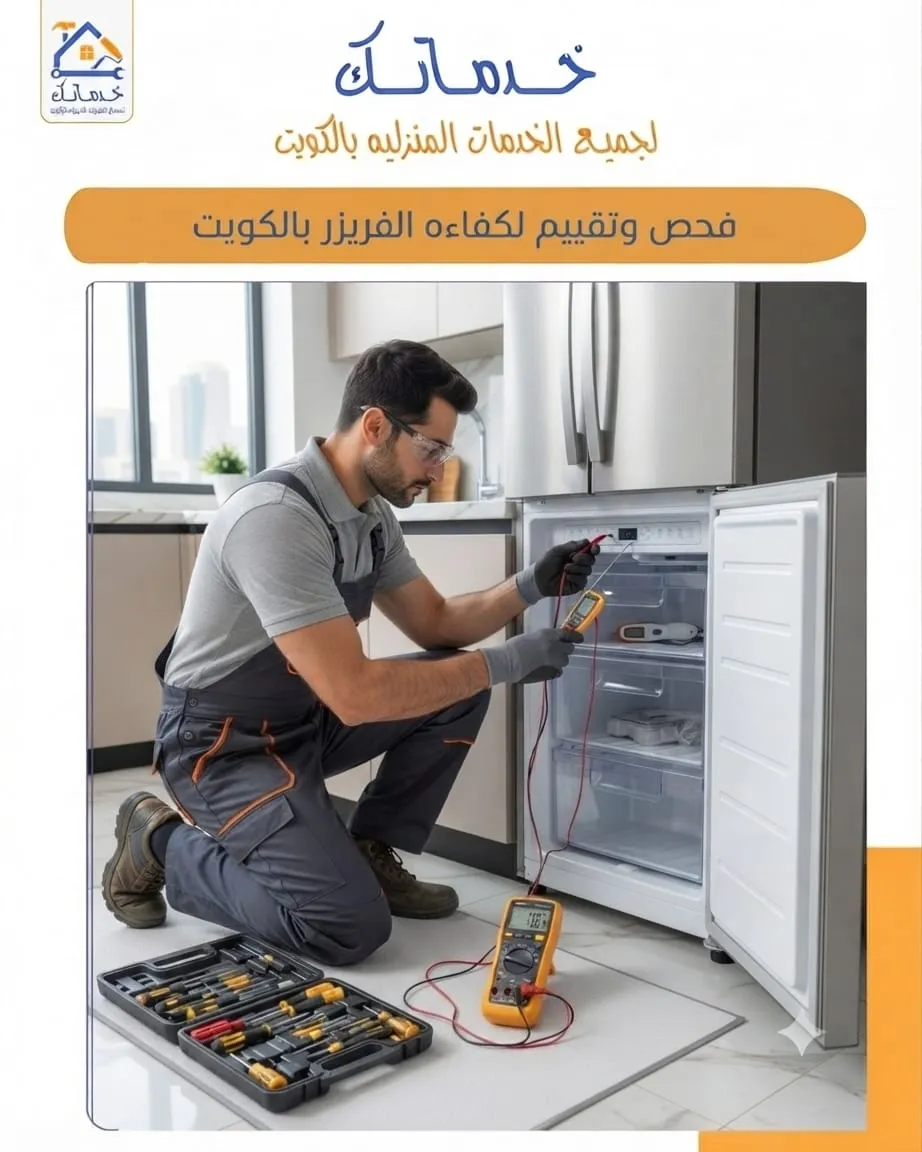
Routine maintenance of a home freezer is not just a preventive measure; it is a fundamental step to ensure efficient freezing performance and avoid costly breakdowns. Freezer maintenance includes several key elements:
- Checking electrical performance:
- Ensure the freezer is connected to a stable power source.
- Verify there are no power interruptions or fluctuations that could damage the compressor or fan.
- Cleaning the condenser and fans:
- Remove dust and debris from the rear or bottom condenser.
- Ensure the internal fan is functioning properly to distribute cold air.
- Checking refrigerant (Freon):
- Measure gas pressure inside the freezer to ensure sufficient cooling levels.
- Call a specialized technician to recharge refrigerant if needed and fix any possible leaks.
- Monitoring mechanical parts and sensors:
- Ensure the compressor is working normally.
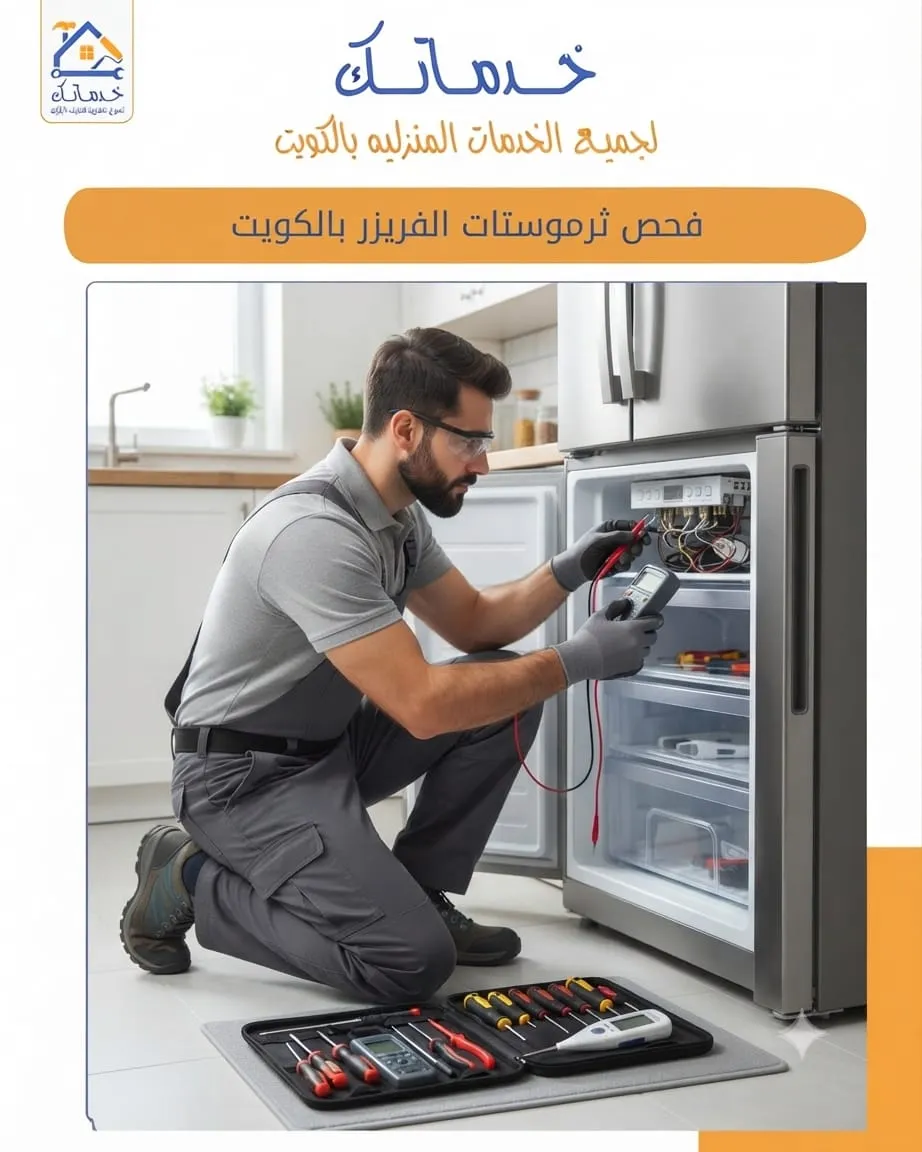
- Check electrical sensors and the thermostat to maintain temperature stability.
- Preventing future issues:
- Open the door for short periods to reduce warm air entry.
- Organize food in a way that allows cold air circulation between shelves.
- Defrost ice buildup to prevent blockage in ventilation or drainage paths.
Following these practical steps ensures the freezer operates efficiently, reduces electricity consumption, prevents recurring issues, and maintains food quality. Regular maintenance saves time and effort, reduces the need for frequent technical intervention, and guarantees optimal freezer performance over long periods.
Freezer Cleaning
Regular cleaning of the home freezer is an essential part of its maintenance. It helps preserve freezing efficiency and prevents common problems such as water leakage or ice buildup. The cleaning process involves precise steps that can be easily carried out at home while ensuring the safety of the appliance and stored food.
Steps to clean the freezer:
- Remove and organize contents:
- Take out all food items and place them in insulated containers to maintain temperature during cleaning.
- Check expiration dates and discard spoiled or expired food.
- Defrost ice:
- Leave the freezer open briefly to melt accumulated ice.
- Use safe tools to remove excess ice without damaging internal walls or pipes.
- Clean shelves and interior walls:
- Use a solution of warm water and mild soap to wipe surfaces.
- Dry the freezer thoroughly before restarting to prevent condensation or water buildup.
- Clean drainage channels:
- Ensure there is no blockage in water drainage paths from defrosting.
- Remove any residue or dirt to prevent future water leaks.
- Clean the condenser and back area:
- Remove dust using a soft brush or vacuum cleaner to maintain cooling efficiency.
- Clean exposed fans and mechanical parts to avoid airflow issues.
Regular cleaning ensures optimal performance, reduces repair costs, extends the appliance’s lifespan, and maintains food quality while preventing odors and bacterial buildup.
Preserving the Freezer
Maintaining a home freezer continuously is essential to ensure efficient freezing and avoid costly malfunctions. In Kuwait, high temperatures place extra stress on freezers, making preventive measures necessary to preserve food quality and reduce electricity consumption.
Practical steps to maintain the freezer:
- Organize food properly:
- Leave space between items for airflow.
- Place items needing rapid freezing on upper or middle shelves.
- Use airtight containers to preserve moisture and prevent odors.
- Ensure the door is tightly closed:
- Always close the door securely after use.
- Inspect rubber seals for damage or wear.
- Reduce frequent opening:
- Open only when necessary.
- Avoid leaving the door open for long periods.
- Monitor temperature:
- Set temperature between -18°C and -22°C.
- Use a digital thermometer to monitor fluctuations.
- Regular inspection of key components:
- Monitor compressor and fan performance.
- Check sensors and thermostat functionality.
- Clean the condenser regularly.
Following these steps minimizes common issues like weak freezing or water leakage, improves energy efficiency, extends lifespan, and preserves food quality.
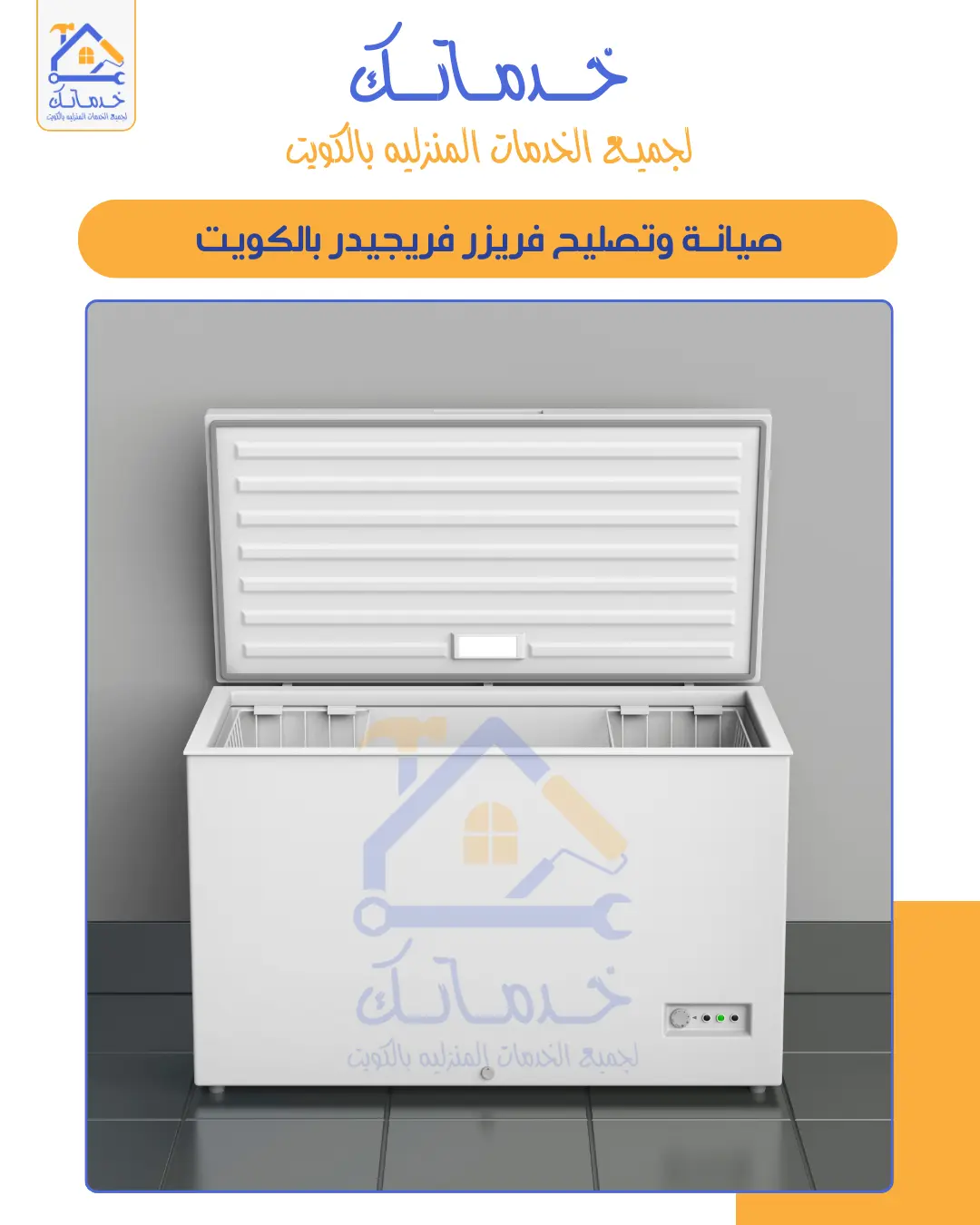
Deep Freezer Maintenance
Maintaining a deep freezer is essential for ensuring optimal performance, especially when storing large quantities of food. Effective maintenance prevents breakdowns, enhances freezing efficiency, and reduces energy consumption.
Steps for maintaining a deep freezer:
- Routine inspection:
- Check electrical safety and wiring.
- Listen for unusual sounds.
- Inspect refrigerant levels and call a technician if needed.
- Complete cleaning:
- Remove excess ice regularly.
- Clean interior walls and shelves with mild soap.
- Clean condenser and rear fans.
- Check essential components:
- Inspect compressor, fan, and sensors.
- Replace damaged parts promptly.
- Preventive tips:
- Organize food for airflow.
- Avoid placing near heat sources.
- Minimize door opening duration.
Regular maintenance reduces breakdown risks, ensures efficient freezing, saves energy, and significantly extends the appliance’s lifespan.
Freezer Repair
Repairing a home freezer requires understanding the causes of poor freezing or complete failure. Early detection helps reduce repair costs and maintain efficiency. If you notice weak cooling or unusual noises, act quickly to prevent food spoilage or total breakdown.
Steps for repairing a freezer:
- Check power supply:
- Ensure proper connection.
- Inspect plug and wiring.
- Try another outlet.
- Check temperature settings:
- Ensure thermostat is set correctly.
- Adjust if too high.
- Monitor performance after adjustment.
- Inspect compressor and fan:
- Listen to compressor operation.
- Ensure fan distributes air.
- Replace faulty parts via technician.
- Check door seals:
- Ensure tight closure.
- Clean seals.
- Replace damaged ones.
- Inspect cooling system:
- Check refrigerant levels.
- Ensure even cooling.
- Call technician for leaks.
These steps help fix many issues effectively. Some problems can be handled at home, but complex ones require professional help.
Timely repair prevents worsening issues, maintains food quality, reduces electricity consumption, and ensures long-term efficiency.
Conclusion
Maintaining freezer efficiency depends on regular maintenance, consistent cleaning, and continuous monitoring. Proper care prevents common issues and ensures high freezing performance, especially in hot environments.
Organizing food, setting correct temperature, and ensuring component safety all contribute to better performance and lower energy use. Addressing issues promptly prevents food spoilage and costly repairs.
Preventive maintenance ensures longer lifespan, better efficiency, and convenience in daily use.
Frequently Asked Questions
How often should the freezer be cleaned?
It is recommended to clean the freezer every 3 to 4 months.
What causes weak freezing?
Possible causes include low refrigerant, ice buildup, blocked vents, or damaged seals.
Does frequent opening affect freezing?
Yes, it allows warm air in and reduces efficiency.
When should a technician be called?
When freezing stops, unusual noises occur, or water leaks continuously.