The problem of a freezer not freezing properly in homes across Kuwait is one of the most frustrating issues users face—especially given how heavily families rely on storing food for long periods. With the rise in temperatures during the summer, the issue becomes even more severe. Poor freezing doesn’t just affect food quality; it can lead to rapid spoilage and increased financial loss.
The core idea is not just repairing the freezer in Kuwait when a fault appears, but also understanding the root causes of this issue and knowing when you can handle it yourself versus when a professional freezer technician in Kuwait is necessary to ensure efficient operation. In this article, we will cover the common causes of a freezer not freezing, practical maintenance steps, and the best solutions to restore effective freezing without damaging the appliance or the stored food.
Freezer Not Freezing
When you notice that your freezer is not freezing, there are several possible causes that may affect its performance. Each cause requires a different repair approach. Identifying the real reason ensures precise intervention without wasting time or money. The main causes include:
- Low Refrigerant (Freon) Level:
A lack of refrigerant directly weakens freezing performance and is one of the most common reasons behind poor freezer efficiency. Detecting this issue requires pressure and temperature measurement tools within the cooling system, and it often needs a specialized technician to recharge the gas. - Compressor Malfunction:
If the compressor is not working efficiently, the entire system stops freezing. A faulty compressor may produce unusual noises or fail to start altogether, requiring repair or replacement by a professional technician. - Blocked Cooling System or Fan:
Dust or ice buildup on the fan or within the airflow channels reduces cold air distribution, leading to warm spots inside the freezer and failed freezing. - Thermostat or Temperature Sensor Failure:
Incorrect temperature readings can make the freezer “think” it has reached the required freezing level while food is not actually freezing. - Frequent Door Opening or Leaving It Open:
This leads to cold air loss and continuous operation, reducing efficiency and increasing electricity consumption.
Handling each issue differs:
- Some problems can be resolved through regular cleaning, resetting the fan, or checking the thermostat.
- Issues related to electricity, the compressor, or refrigerant require a professional freezer technician in Kuwait for safe and effective repair.
Ignoring these faults can worsen the situation, increasing electricity consumption and damaging stored food. Early intervention reduces the likelihood of replacing major components or incurring higher costs later. Continuous monitoring and maintenance act as the first line of defense against failures.
Freezer Repair in Kuwait
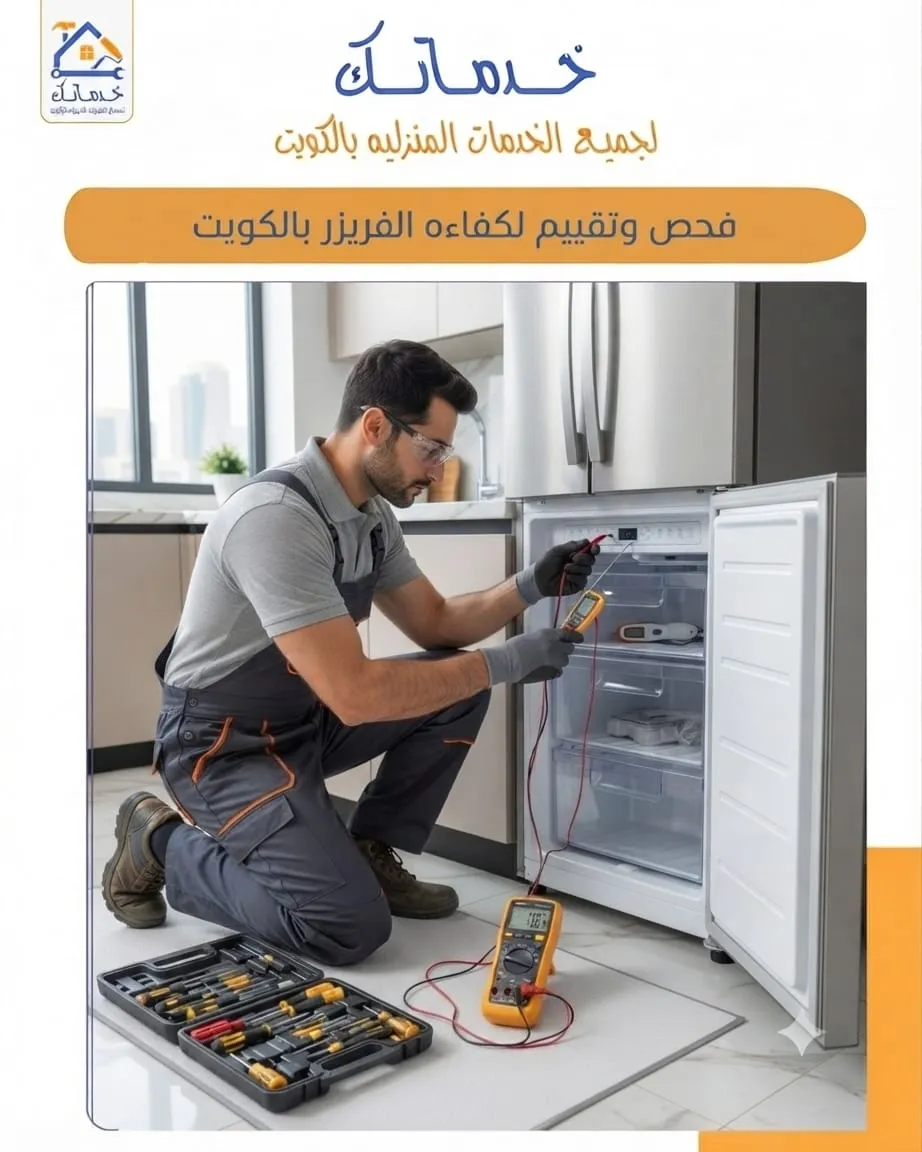
Repairing a freezer in Kuwait always begins with accurate diagnosis before taking any action. Not every freezing issue indicates a major problem, but delaying intervention can damage essential components. Diagnostic steps include:
- Monitoring Freezing Temperature and Compressor Performance:
Listening for unusual sounds, checking whether the compressor runs continuously or intermittently, and observing temperature differences between shelves. - Checking Refrigerant Level and Leaks:
Low gas levels or pipe leaks weaken freezing and require leak repair followed by refrigerant recharging. - Inspecting the Internal Fan and Airflow Channels:
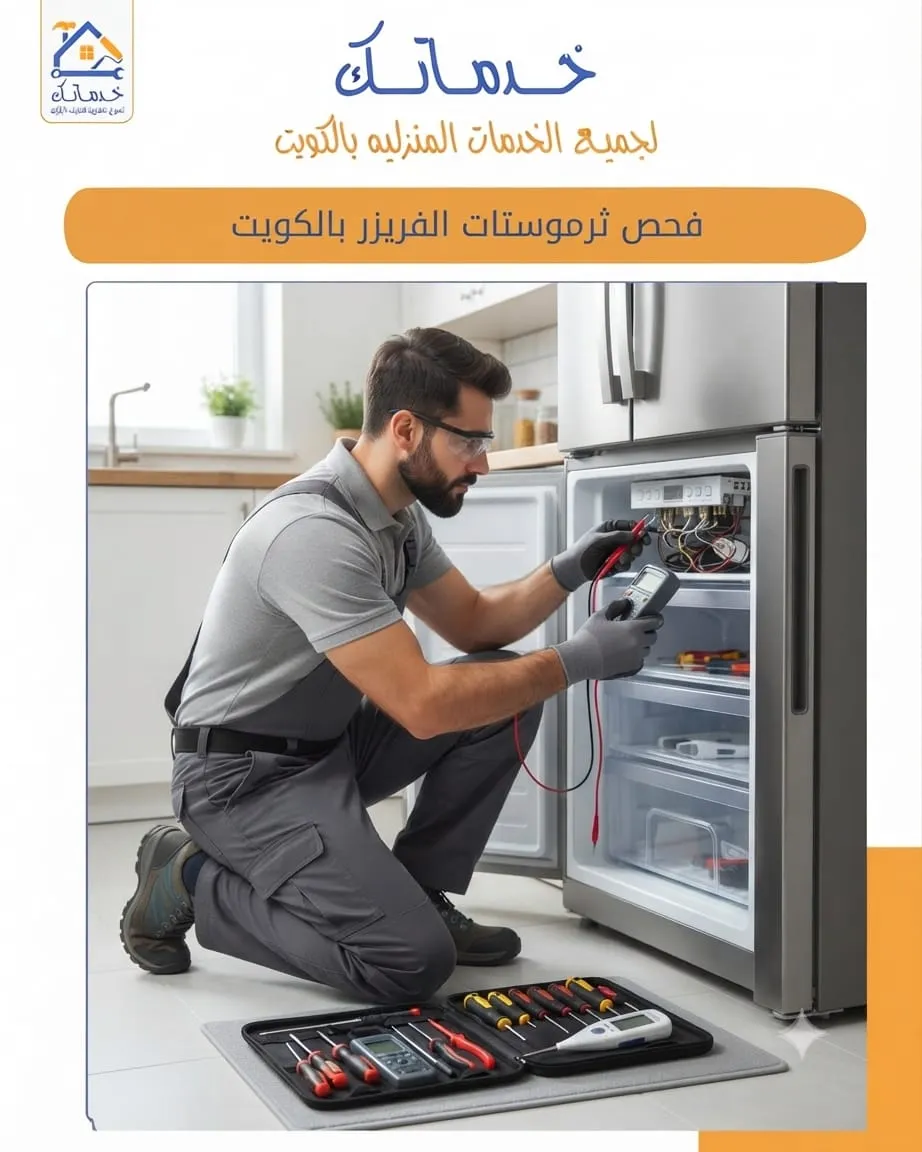
Dust or ice buildup prevents even cold air distribution, causing certain areas not to freeze properly. - Testing Thermostat and Sensors:
Any malfunction in temperature readings leads to continuous running or unexpected shutdowns. - Ensuring the Door Seals Properly:
Air leaks reduce freezing efficiency and increase electricity consumption.
Ultimately, relying on a professional freezer technician in Kuwait ensures accurate problem identification and systematic repair, preventing recurrence and maintaining freezing efficiency and appliance longevity.
Deep Freezer Maintenance
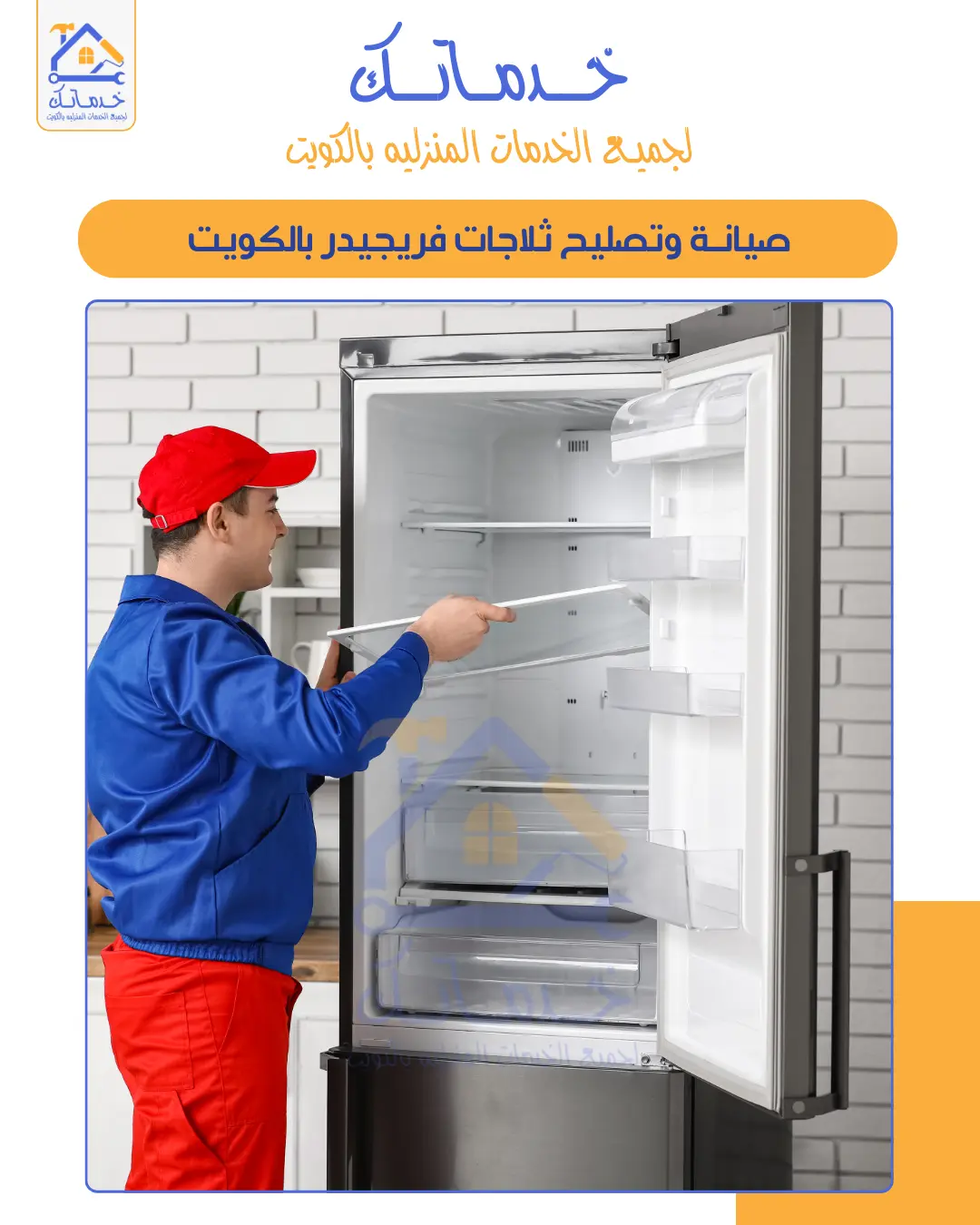
Maintaining a deep freezer is essential to preserve its efficiency and ensure consistent freezing, especially in Kuwait where high temperatures directly impact cooling appliances. Regular maintenance goes beyond surface cleaning and includes systematic steps to ensure proper cooling cycle performance, prevent ice buildup, and reduce energy consumption.
First: Regular Cleaning
- Wipe interior walls and plastic compartments to remove food residues or liquids, ensuring they are fully dried before restarting.
- Clean the rear or bottom condenser using a soft brush to remove dust, as buildup reduces cooling efficiency and increases power consumption.
- Check drainage openings and internal channels to ensure they are not blocked, as clogs cause water accumulation or uneven ice formation.
Second: Organizing Contents
- Leave sufficient space between items for proper airflow.
- Place items requiring rapid freezing on upper or middle shelves.
- Use sealed containers to prevent odor and moisture spread.
Third: Monitoring Performance Indicators
- Observe operating sounds, temperature stability, and freezing speed.
- Any sudden change may indicate an issue with the compressor, fan, or cooling cycle.
Finally: Summer Care
- Avoid placing the freezer near direct heat sources.
- Ensure the door is tightly closed.
- At the first sign of weak freezing, contact a technician immediately to prevent escalation.
Following these steps maintains efficiency, extends the freezer’s lifespan, reduces repair costs, and protects stored food.
Freezer Technician in Kuwait
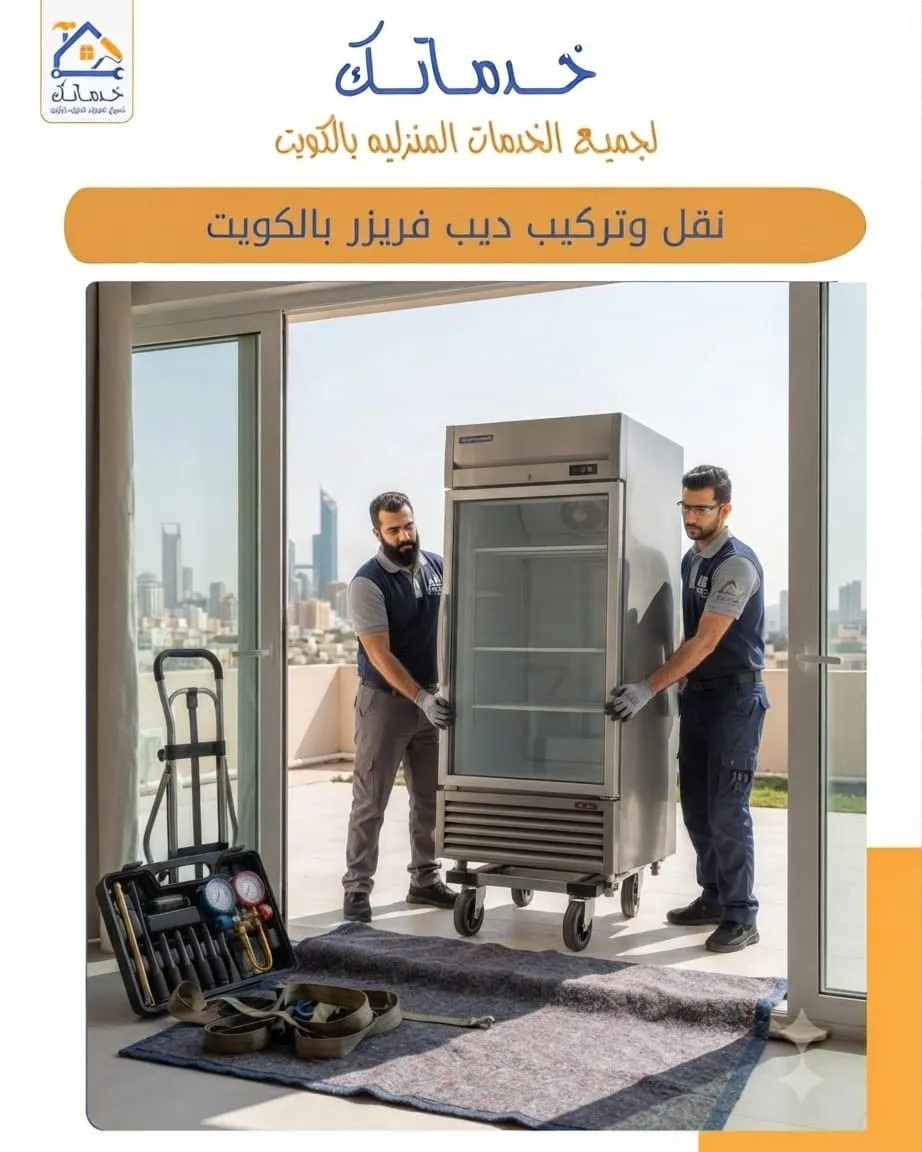
Having a specialized freezer technician in Kuwait ensures quick and efficient problem-solving without harming the appliance or food. Common freezer issues include weak freezing, compressor failure, gas leakage, or fan malfunctions—each requiring precise handling.
Professional Technician Advantages:
- Practical experience with various cooling systems and models
- Specialized diagnostic tools (Freon pressure gauges, electrical testers, fan and sensor inspection tools)
- Accurate fault identification before repair
- Use of original spare parts
- Providing practical post-repair advice
Repair Process Steps:
1. Diagnose the issue (compressor, fan, refrigerant, thermostat)
2. Address the problem (repair, cleaning, or part replacement)
3. Test operation to ensure efficient freezing restoration
Hiring a professional protects the freezer from recurring issues, reduces energy consumption, and ensures long-term efficiency. Preventive care is far better than dealing with major failures later.
Freezer Repair
At the repair stage, the goal is to address the root cause—not just symptoms. Effective repair depends on accurate diagnosis of every component in the cooling cycle. In Kuwait, high thermal stress leads to recurring faults, making systematic repair essential.
Common Issues:
- Weak freezing despite operation → likely refrigerant leak or partial blockage
- Complete shutdown → compressor failure or electrical issues (relay/fuse)
- Excessive ice buildup → defrost system or sensor problem
- Loud noise or vibration → fan issue or improper placement
Repair Steps:
- Recharging Refrigerant: Fix leak first, then recharge with the correct amount
- Replacing Damaged Parts: Thermostat, fan, or compressor
- Cleaning Cooling System: Remove internal blockages
- Fixing Electrical Issues: Repair wiring or control board
Key Considerations:
- Use precise tools for pressure and temperature measurement
- Test performance after repair
- Set temperature appropriately (usually -18 to -22°C)
In some cases, evaluating repair feasibility is better:
- If compressor replacement is too costly
- If the freezer is old and consumes excessive power
Proper repair restores not just freezing but overall efficiency, reduces energy use, and prevents recurring faults.
Conclusion
A freezer not freezing is not a random issue—it results from a fault in the cooling system or usage method. Understanding causes like low refrigerant, blocked airflow, or electrical faults helps in making the right decision between maintenance and repair.
Regular maintenance, proper usage, and early intervention ensure long-term efficiency without extra costs or food loss.
Frequently Asked Questions (FAQ)
What is the most common reason a freezer stops freezing?
Usually refrigerant leakage or a weak compressor, followed by blocked airflow.
Can I fix the freezer myself?
Simple steps like cleaning or adjusting temperature are possible, but technical issues require a specialist.
How long does freezer repair take?
Simple issues take 1–2 hours, while major repairs like compressor replacement take longer.
How do I know if refrigerant is low?
Signs include weak freezing, continuous operation, and failure to reach the desired temperature.
Does ice buildup affect freezing?
Yes, it blocks proper airflow distribution inside the freezer.