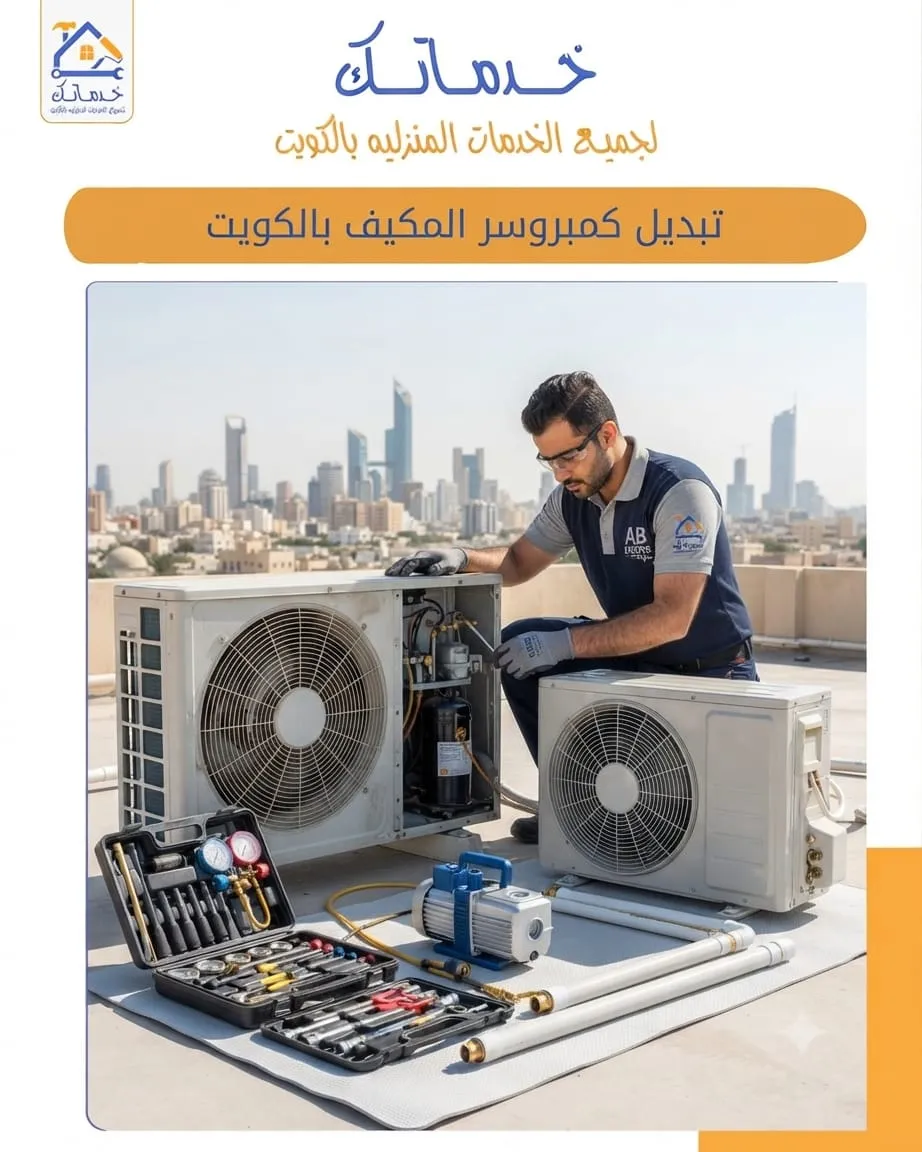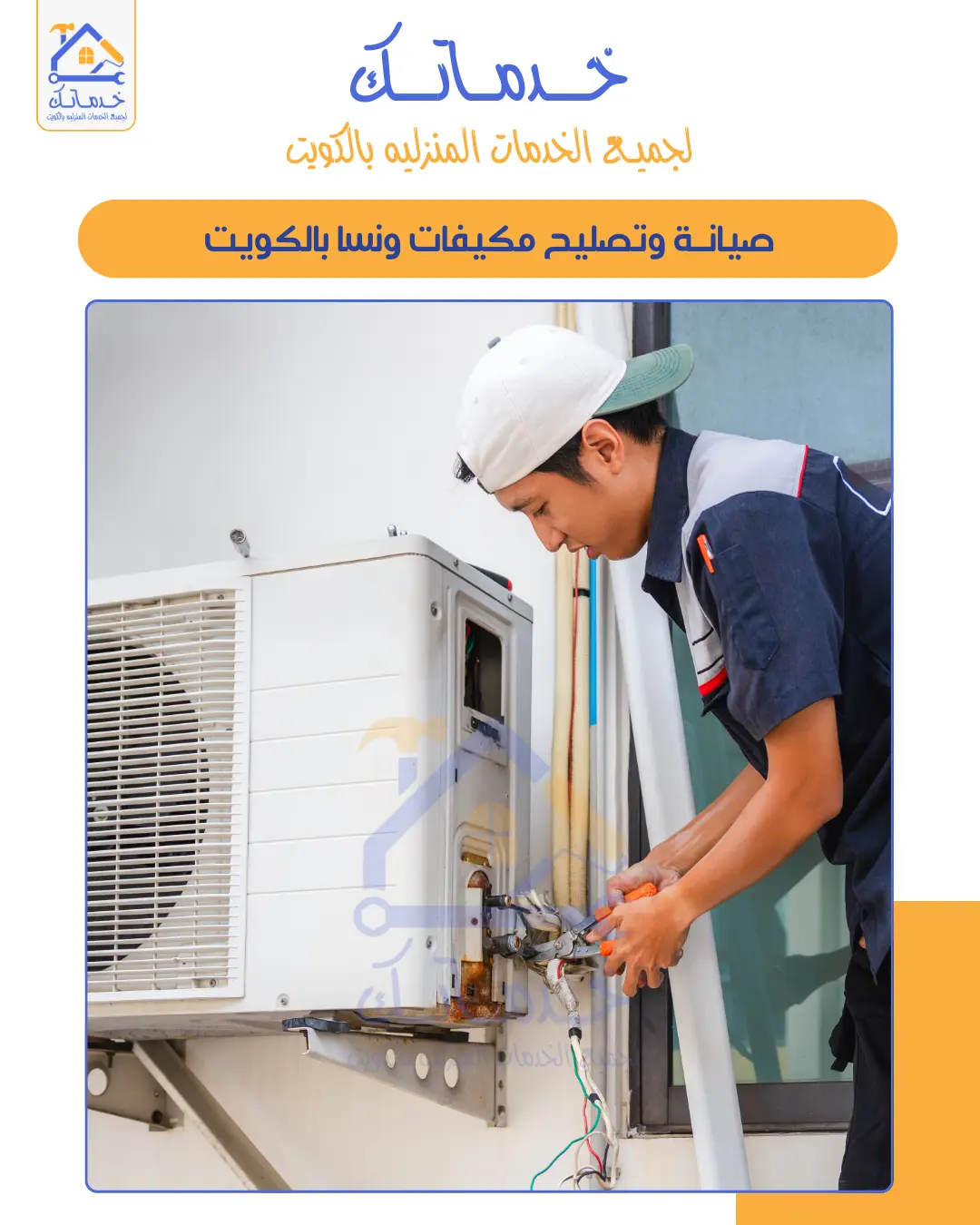
The outdoor condenser coil is one of the most important components of any air conditioning system, yet it is also one of the most neglected during routine maintenance. In Kuwait, outdoor units are constantly exposed to dust, sand, airborne debris, and harsh weather conditions, causing dirt to accumulate between the condenser fins over time. This buildup gradually reduces the system's ability to release heat, increases electricity consumption, weakens cooling performance, and places unnecessary stress on the compressor. Extensive practical experience servicing air conditioning systems throughout Kuwait has consistently shown that cleaning the outdoor condenser coil at the proper time not only restores cooling efficiency but also extends compressor life and significantly reduces the likelihood of expensive breakdowns. For this reason, professional outdoor coil cleaning has become one of the most important preventive maintenance procedures before the beginning of the summer season.
Why Is Cleaning the Outdoor Air Conditioner Coil One of the Most Important Steps for Preserving Refrigeration System Efficiency?
Many homeowners believe that the outdoor air conditioning unit only requires occasional removal of visible dust from its exterior surface. However, extensive practical experience servicing residential air conditioning systems throughout Kuwait has consistently demonstrated that cleaning the outdoor air conditioner coil is a complete technical maintenance procedure designed to restore the condenser's ability to reject heat efficiently. The outdoor condenser continuously releases the heat absorbed from inside the building into the surrounding air. When dust, sand, and airborne contaminants accumulate between the condenser fins, the effective heat transfer surface becomes progressively restricted, forcing the compressor to operate for much longer periods in order to achieve the desired indoor temperature. Professional technicians therefore begin every service by inspecting the entire condenser assembly before any cleaning starts. They verify the condition of the condenser fins, ensuring that they remain straight and unobstructed so air can flow freely across the coil. Condenser fan performance is carefully evaluated while refrigeration operating pressures and refrigerant line temperatures are measured to determine the extent to which accumulated contamination has affected overall refrigeration efficiency. Specialized condenser cleaning solutions are then applied to dissolve stubborn dust, sand, grease, and environmental deposits without damaging the protective coating of the aluminum fins. After allowing the cleaning solution sufficient time to penetrate accumulated contaminants, technicians rinse the condenser using carefully controlled water pressure that removes debris without bending delicate fins or reducing airflow capacity. The spaces between every row of condenser tubing are thoroughly cleaned while technicians ensure that no hidden debris remains trapped inside the coil. Once cleaning has been completed, condenser fan operation and airflow performance are tested again before the air conditioner is placed back into service. Refrigeration pressures and operating temperatures are compared with the readings recorded before cleaning to verify measurable improvements in heat rejection performance. Extensive practical experience throughout Kuwait consistently demonstrates that professional outdoor condenser coil cleaning restores a significant portion of the air conditioner's original cooling efficiency, reduces compressor workload, improves heat rejection capacity, shortens cooling cycles, and allows the system to reach the desired indoor temperature more quickly while consuming considerably less electrical energy.
How Does Professional Cleaning of a Split Air Conditioner Condenser Differ from Simply Washing It with Water?
Many homeowners assume that washing the outdoor condenser of a split air conditioner requires nothing more than spraying the unit with a garden hose. In reality, practical experience servicing residential air conditioning systems throughout Kuwait has repeatedly shown that this common belief overlooks the true nature of condenser contamination. Dust, sand, oily residue, and microscopic airborne particles accumulate deep between the condenser fins rather than remaining only on the visible outer surface. As a result, spraying water over the exterior often removes only loose dirt while leaving behind the compacted contamination that continues restricting heat transfer. Professional condenser cleaning therefore follows a far more comprehensive engineering process. The technician first disconnects electrical power to ensure safe servicing before removing protective covers whenever necessary to gain complete access to the condenser assembly. Every section of the condenser fins is carefully inspected for physical damage, bent fins, corrosion, or airflow restrictions that could reduce cooling performance even after cleaning. Specialized condenser cleaning chemicals are then applied to dissolve grease, sand, mineral deposits, and embedded dust without harming the aluminum surfaces or protective coatings. After the cleaning solution has fully loosened accumulated contaminants, the condenser is rinsed using carefully regulated water pressure specifically selected to remove debris while preserving the shape of the condenser fins. The condenser fan blades, fan motor housing, base of the outdoor unit, surrounding ventilation openings, and all accessible airflow passages are also cleaned to eliminate any obstruction that might interfere with proper air circulation around the condenser. Once reassembly has been completed, technicians operate the air conditioning system under actual cooling conditions while measuring refrigeration pressures, condenser temperatures, airflow performance, and overall cooling efficiency. These engineering measurements verify that the condenser has regained its normal heat rejection capability. Extensive practical experience throughout Kuwait consistently demonstrates that professional condenser cleaning is fundamentally different from simply spraying water onto the unit because it addresses the underlying causes of declining cooling performance, restores proper refrigeration efficiency, reduces compressor operating stress, lowers electricity consumption, and significantly improves the long-term reliability of the entire air conditioning system.
How Does Removing Dust from the Outdoor Condenser Fins Restore the Air Conditioner's Original Performance?
Removing dust from the outdoor condenser fins is one of the most effective preventive maintenance procedures because the aluminum fins surrounding the condenser tubing are specifically designed to maximize the surface area available for heat exchange between the refrigerant and the outside air. When layers of dust, sand, and airborne debris accumulate between these fins, they create an insulating barrier that prevents heat from leaving the refrigeration system efficiently. Extensive practical experience servicing air conditioning systems throughout Kuwait has consistently shown that the country's dusty climate and frequent sandstorms cause condenser fins to become contaminated much faster than in many other regions. Outdoor units installed on rooftops, exposed balconies, open courtyards, or near busy roads are particularly vulnerable to rapid dirt accumulation. Professional technicians therefore begin by performing a detailed inspection of the condenser fins using proper lighting to determine whether contamination exists only on the visible surface or deep between the internal rows of the coil. They also inspect the fins for bending, crushing, or mechanical damage that could continue restricting airflow even after cleaning. Specialized fin cleaning tools and professional coil cleaning solutions are then used to remove embedded dust and accumulated contaminants without damaging the delicate aluminum structure. The condenser is carefully rinsed using controlled water pressure while ensuring that every row of the coil is cleaned thoroughly. Once cleaning has been completed, condenser fan performance is evaluated again to verify unrestricted airflow through the entire condenser assembly. Refrigeration pressures, condenser temperatures, and operating conditions are then compared with measurements taken before servicing to confirm measurable improvements in heat rejection performance. Extensive practical experience throughout Kuwait consistently demonstrates that professionally removing dust from condenser fins significantly reduces compressor workload, restores proper airflow, improves heat transfer efficiency, shortens cooling cycles, and allows the air conditioning system to maintain stable performance even during prolonged operation under Kuwait's extremely high summer temperatures.
Why Does Cleaning the Outdoor Unit Improve Cooling While Reducing Compressor Stress?
Cleaning the outdoor air conditioning unit to improve cooling performance directly benefits compressor operation because the condenser is responsible for releasing all of the heat carried by the refrigerant after it leaves the compressor. Whenever dust, sand, and environmental contaminants cover the condenser coil, its ability to reject heat decreases substantially. As condenser efficiency declines, refrigeration system pressure rises, forcing the compressor to operate longer and under significantly greater mechanical stress in order to maintain acceptable cooling performance. Extensive practical experience servicing residential air conditioning systems throughout Kuwait has consistently shown that many complaints involving weak cooling or unusually high electricity consumption are not caused by refrigerant shortages or compressor failure, but rather by severely contaminated outdoor condenser units. Professional outdoor unit cleaning therefore extends far beyond washing the condenser coil alone. Technicians also clean condenser fan blades, remove accumulated debris from the base of the outdoor cabinet, inspect surrounding ventilation areas, and verify that adequate clearance exists around the unit so fresh air can circulate freely during operation. Even when the condenser itself is clean, nearby obstructions may still reduce airflow and prevent proper heat rejection. Before cleaning begins, technicians measure refrigeration operating pressures, refrigerant line temperatures, compressor electrical performance, and condenser operating conditions to establish a technical baseline. After servicing has been completed, the same engineering measurements are repeated under identical operating conditions. These comparisons frequently reveal lower discharge pressures, improved condenser heat rejection, reduced compressor operating time, and faster achievement of the desired indoor temperature. Extensive practical experience throughout Kuwait consistently demonstrates that routine outdoor unit cleaning substantially reduces compressor workload, improves overall refrigeration efficiency, lowers electricity consumption, minimizes unnecessary wear on critical refrigeration components, and significantly decreases the likelihood of expensive compressor failures caused by excessive operating pressure.
How Does Cleaning the AC Coil Help Reduce Electricity Consumption?
Reducing electricity consumption by cleaning the air conditioner coil is one of the most noticeable benefits homeowners experience after professional maintenance because condenser efficiency directly determines how effectively the refrigeration system can release heat. When the outdoor coil becomes covered with layers of dust, sand, and environmental contaminants, the refrigerant cannot transfer heat efficiently to the outside air. As a result, condenser pressure increases, forcing the compressor to work harder and operate for much longer periods before reaching the desired indoor temperature. Extensive practical experience servicing residential air conditioning systems throughout Kuwait has consistently demonstrated that this additional workload not only increases electricity consumption but also accelerates wear on the compressor and other critical refrigeration components. Professional technicians therefore begin by recording baseline operating measurements before cleaning the condenser. Refrigeration suction and discharge pressures are measured while compressor electrical current, refrigerant line temperatures, condenser performance, and indoor supply air temperatures are carefully documented. Once the condenser coil has been thoroughly cleaned and all contaminants removed from between the aluminum fins, the air conditioner is operated again under the same cooling conditions. The same engineering measurements are then repeated and compared with the original readings. In many cases, technicians observe lower discharge pressure, improved condenser heat rejection, shorter compressor operating cycles, and significantly faster cooling performance. Since the compressor no longer needs to operate continuously for extended periods, total electrical demand decreases naturally. Lower compressor workload also reduces heat generation inside the refrigeration system, helping maintain stable operating conditions throughout prolonged summer operation. Extensive practical experience throughout Kuwait consistently demonstrates that routine condenser coil cleaning is one of the most cost-effective preventive maintenance procedures available because it improves cooling performance, lowers monthly electricity bills, reduces mechanical stress on the compressor, and preserves the long-term efficiency of the entire refrigeration system.
Why Should the Outdoor Condenser Coil Be Serviced Before the Summer Season in Kuwait?
Servicing the outdoor condenser coil before the summer season is one of the most valuable preventive maintenance procedures for air conditioning systems operating in Kuwait. During the summer months, outdoor temperatures frequently reach extremely high levels, forcing air conditioners to operate continuously for many hours each day under maximum cooling demand. Extensive practical experience maintaining air conditioning systems throughout Kuwait has consistently shown that operating an air conditioner with a dirty condenser during these conditions dramatically increases refrigeration system pressure, reduces cooling efficiency, and places excessive mechanical stress on the compressor. As a result, the likelihood of unexpected breakdowns increases precisely when reliable cooling is most essential. Professional pre-season maintenance therefore begins with a complete inspection of the outdoor condenser assembly. Technicians examine the condition of the condenser coil, verify that the aluminum fins remain clean and undamaged, inspect condenser fan operation, and measure refrigeration pressures together with refrigerant line temperatures before cleaning begins. Adequate airflow around the outdoor unit is also evaluated because nearby obstacles may restrict ventilation even when the condenser itself is clean. Once the condenser has been professionally cleaned using specialized coil cleaning solutions and controlled rinsing procedures, the air conditioning system is tested under actual operating conditions. Refrigeration pressures, condenser temperatures, compressor performance, airflow characteristics, and cooling capacity are compared with measurements recorded before servicing to verify measurable improvements in system efficiency. Technicians also inspect electrical connections, refrigerant pipe insulation, mounting stability, drainage conditions, and other components that influence reliable summer operation. Extensive practical experience throughout Kuwait consistently demonstrates that servicing the outdoor condenser before summer significantly reduces the risk of emergency breakdowns, improves cooling stability during periods of extreme heat, preserves compressor reliability, lowers electricity consumption, and ensures that the air conditioning system is fully prepared for the most demanding operating conditions of the year.
How Does Cleaning the Condenser Coils Extend the Lifespan of an Air Conditioning System?
Cleaning the condenser coils in air conditioning systems is one of the most valuable preventive maintenance procedures because the outdoor condenser is responsible for releasing all the heat removed from the indoor environment. When layers of dust, sand, dirt, and environmental debris accumulate between the condenser coils, heat transfer efficiency gradually declines, causing refrigeration system pressure to increase and forcing the compressor to operate under much heavier mechanical loads. Extensive practical experience servicing air conditioning systems throughout Kuwait has consistently shown that many compressor failures are not caused by manufacturing defects or the natural end of the equipment's service life. Instead, they frequently result from prolonged operation with heavily contaminated condenser coils that are no longer capable of rejecting heat efficiently. Professional technicians therefore begin by evaluating condenser performance through refrigeration pressure measurements and thermal analysis before cleaning begins. The condition of the aluminum fins is carefully inspected to identify bent sections, airflow restrictions, or physical damage that may continue reducing efficiency even after contaminants are removed. Specialized professional coil cleaning chemicals are then applied to dissolve embedded dust, oily residue, mineral deposits, and accumulated sand without damaging the protective coating of the aluminum surfaces. After the cleaning solution has loosened all contamination, the condenser is rinsed using carefully controlled water pressure that thoroughly cleans every row of tubing while preserving the shape of the delicate condenser fins. The condenser fan, motor assembly, and surrounding airflow passages are also cleaned because efficient airflow is equally important for proper condenser operation. Once maintenance has been completed, technicians operate the air conditioning system while measuring refrigeration pressures, refrigerant temperatures, compressor electrical current, and overall cooling performance. These measurements are compared directly with readings recorded before servicing to verify measurable improvements in operating efficiency. Extensive practical experience throughout Kuwait consistently demonstrates that routine condenser coil cleaning reduces thermal stress on the compressor, lowers operating temperatures, stabilizes refrigeration pressures, minimizes mechanical wear, delays expensive component failures, and significantly extends the operational lifespan of the entire air conditioning system.
What Factors Determine the Cost of Outdoor AC Coil Cleaning in Kuwait?
When homeowners inquire about the cost of outdoor AC coil cleaning in Kuwait, the first question usually concerns the service price. However, extensive practical experience servicing residential and commercial air conditioning systems has consistently shown that professional condenser cleaning costs depend upon several technical factors rather than a single fixed price. Professional technicians therefore avoid providing standard quotations before inspecting the equipment because every outdoor unit presents different maintenance requirements. The service begins with a complete evaluation of the condenser condition to determine the amount of accumulated dust, sand, grease, and environmental contamination trapped within the condenser coil. Technicians also inspect the condition of the aluminum fins, evaluate accessibility to the outdoor unit, and determine whether the equipment is installed on rooftops, balconies, elevated walls, or confined mechanical spaces requiring additional safety procedures. Air conditioner type and cooling capacity are equally important because servicing a residential split air conditioner differs substantially from cleaning a large commercial or central air conditioning condenser. The overall scope of maintenance also influences the final cost. Some customers request only condenser cleaning, while others require complete preventive maintenance that includes condenser fan cleaning, refrigeration pressure testing, airflow analysis, electrical inspections, operational performance measurements, and post-service system evaluation. Professional technicians explain every stage of the maintenance process before work begins so customers fully understand the engineering procedures included in the service. They also clarify the difference between superficial exterior washing and comprehensive professional condenser cleaning that restores actual refrigeration efficiency. Once maintenance has been completed, the air conditioning system undergoes final operational testing to confirm improvements in cooling performance, refrigeration pressures, airflow characteristics, and compressor operation. Extensive practical experience throughout Kuwait consistently demonstrates that investing in professional condenser cleaning produces significant long-term financial benefits by reducing electricity consumption, minimizing compressor stress, preventing costly emergency repairs, and preserving the overall efficiency and reliability of the entire air conditioning system.
How Does Professional Outdoor AC Unit Cleaning Deliver Long-Lasting Results?
Professional outdoor air conditioner unit cleaning services involve far more than simply removing visible dust or rinsing the exterior cabinet. Instead, they represent a complete preventive maintenance procedure designed to restore the refrigeration system's efficiency while preserving that performance for the longest possible period. Extensive practical experience servicing air conditioning systems throughout Kuwait has consistently shown that the best long-term results are achieved through a structured engineering process that begins with detailed inspection and ends with comprehensive operational testing after maintenance has been completed. Professional technicians first examine the entire outdoor unit, including the cabinet structure, condenser coil, aluminum fins, condenser fan, mounting base, electrical connections, and surrounding ventilation area. Refrigeration operating pressures, refrigerant line temperatures, compressor performance, and airflow characteristics are recorded before any cleaning begins so measurable improvements can later be verified. Specialized condenser cleaning chemicals are then applied to dissolve layers of dust, sand, grease, and environmental contaminants that have accumulated deep inside the condenser coil without damaging the protective coating of the aluminum surfaces. After allowing the cleaning solution sufficient time to loosen embedded contamination, technicians rinse the condenser using carefully regulated water pressure that thoroughly cleans every internal and external row of the coil while preserving the shape of the delicate fins. Condenser fan blades, motor housing, drainage areas, and the entire base of the outdoor unit are also cleaned to eliminate any debris that could interfere with airflow or future system performance. Once servicing has been completed, the air conditioning system is restarted and subjected to a complete engineering performance evaluation. Refrigeration pressures, compressor operation, refrigerant temperatures, condenser performance, airflow volume, and overall cooling efficiency are carefully monitored to confirm that every operating parameter has returned to normal manufacturer specifications. Technicians also provide practical maintenance recommendations regarding future cleaning intervals, environmental conditions that may require earlier servicing, and simple preventive measures homeowners can follow between maintenance visits. Extensive practical experience throughout Kuwait consistently demonstrates that professional outdoor unit cleaning performed according to these engineering procedures provides superior heat rejection, stabilizes cooling performance, lowers electricity consumption, minimizes seasonal breakdowns, protects the compressor from excessive operating stress, and ensures reliable air conditioner operation throughout Kuwait's demanding summer climate.
Conclusion
Cleaning the outdoor condenser coil is one of the most important preventive maintenance procedures that directly affects cooling performance, energy efficiency, and the long-term reliability of every air conditioning system. Extensive practical experience servicing residential and commercial air conditioning equipment throughout Kuwait has consistently demonstrated that neglecting the outdoor unit gradually reduces the condenser's ability to reject heat, increasing compressor workload, raising electricity consumption, and reducing cooling capacity even when every other component continues functioning normally.
Throughout this comprehensive guide, we explained the importance of cleaning the outdoor air conditioner coil, examined the professional process of washing the outdoor condenser of split air conditioners, described how removing dust from the outdoor condenser fins restores heat transfer efficiency, demonstrated why cleaning the outdoor unit improves cooling performance, discussed how cleaning the condenser coil reduces electricity consumption, highlighted the importance of servicing the outdoor condenser before the summer season, explained how cleaning condenser coils extends equipment lifespan, examined the factors affecting the cost of outdoor AC coil cleaning in Kuwait, and finally demonstrated how professional outdoor air conditioner cleaning services are performed according to engineering standards that maximize cooling performance and long-term reliability.
Ultimately, maintaining a clean outdoor condenser is not simply a cosmetic procedure. It is a valuable investment in the efficiency, reliability, and operational lifespan of the entire air conditioning system. Regular professional condenser cleaning allows the refrigeration system to reject heat efficiently, reduces electricity consumption, minimizes compressor stress, prevents expensive seasonal breakdowns, and ensures dependable cooling performance throughout Kuwait's extremely demanding summer conditions.
Frequently Asked Questions
Why is cleaning the outdoor condenser coil so important?
Because a clean condenser transfers heat efficiently, reducing compressor workload, improving cooling performance, lowering operating pressure, and maintaining overall refrigeration system efficiency.
Is spraying the outdoor unit with water enough?
No. Water alone cannot remove embedded dust, grease, sand, and compacted contaminants trapped deep between the condenser fins. Professional cleaning solutions and proper maintenance procedures are required.
How often should the outdoor condenser be cleaned in Kuwait?
Professional condenser cleaning is generally recommended at least once before the summer season. Units exposed to heavy dust, sandstorms, or roadside environments may require more frequent maintenance.
Does a dirty condenser increase electricity consumption?
Yes. Restricted heat transfer forces the compressor to operate longer and under higher pressure, resulting in noticeably higher electricity usage.
Can a dirty condenser reduce cooling performance?
Absolutely. Reduced heat rejection prevents the refrigeration system from operating efficiently, causing weaker cooling and longer operating cycles.
How are condenser fins cleaned without damaging them?
Professional technicians use specialized coil cleaning chemicals, fin-safe cleaning tools, and carefully controlled water pressure designed to remove contamination while preserving the delicate aluminum fins.
What determines the cost of outdoor condenser cleaning in Kuwait?
The final cost depends on the air conditioner type, condenser size, level of contamination, installation location, accessibility, and whether the service includes additional inspections, refrigeration testing, and performance evaluation.
Does condenser cleaning help extend compressor life?
Yes. Lower condenser temperatures and improved heat rejection significantly reduce compressor workload, mechanical stress, and long-term wear.
Does professional outdoor unit cleaning include refrigeration system inspection?
Yes. Comprehensive maintenance normally includes refrigeration pressure measurements, condenser fan inspection, airflow evaluation, electrical testing, and complete operational performance verification.
When should I schedule professional outdoor AC cleaning?
Professional cleaning is recommended before the summer season, after major dust storms, whenever visible contamination accumulates on the condenser, or whenever cooling performance gradually declines despite continuous system operation