Water leaking from an automatic washing machine may initially appear to be a minor inconvenience, especially if only a small amount of water is visible or the leak occurs near the end of the wash cycle. In reality, however, every drop of water escaping from an unintended location can indicate the beginning of a much larger problem that may eventually damage internal components, allow water to reach the drive motor or electronic control board, or cause expensive damage to flooring and nearby furniture. Practical experience gained from repairing household washing machines throughout Kuwait consistently shows that identifying the exact source of the leak as early as possible significantly reduces repair costs and prevents secondary failures. In this comprehensive guide, we explain the real causes of water leaks, how to accurately identify the source, what immediate actions should be taken before a technician arrives, and when professional repair becomes the safest and most cost-effective solution.
What Should You Do During the First Few Minutes After Discovering a Water Leak?
When you notice water leaking from an automatic washing machine in Kuwait, the decisions made during the first few minutes can determine the extent of the damage your appliance may suffer later. Many homeowners make the mistake of allowing the washing program to continue until completion because they assume the leak is minor and harmless. In reality, continued operation increases water pressure inside the machine and may allow leaking water to reach sensitive electrical components such as the drive motor or electronic control board. The correct procedure begins by immediately stopping the washing program, disconnecting the appliance from the electrical supply before touching any of its components, and then shutting off the water supply valve feeding the machine to prevent additional water from entering if the leak originates from one of the inlet hoses. The next step involves thoroughly drying the surrounding floor, not only to protect flooring materials but also to make it easier to identify the exact location where fresh water appears during further inspection. Technicians greatly benefit when customers observe where the water first collects, whether it appears at the front, rear, or underneath the washing machine, and whether the leak occurs during water filling, washing, rinsing, spinning, or draining. These seemingly simple observations substantially shorten the diagnostic process. Practical experience repairing washing machines throughout Kuwait clearly demonstrates that many major failures involving electronic control boards and motors could have been completely avoided if the appliance had been switched off immediately after the first signs of leakage appeared. For this reason, responding quickly is just as important as performing the actual repair itself.
Why Does Diagnosing a Leak Depend on the Stage of the Washing Program?
One of the most common misconceptions is that every water leak has the same cause. Professional technicians, however, begin diagnosis by identifying the exact stage of the washing cycle during which the leak appears because every operating stage depends upon different internal components. If the leak begins while the machine is filling with water, inspection immediately focuses on the inlet valve, water supply hoses, and detergent dispenser assembly. If water starts leaking only after the drum begins rotating, attention shifts toward the door seal, internal hoses, or moving components affected by vibration during washing. When leakage occurs specifically during the draining stage, technicians concentrate on the drain pump, drain hose, and all related drainage connections. Therefore, saying that the automatic washing machine leaks water during operation is not actually a diagnosis but rather a general symptom that must be connected to a specific stage of the wash program before the real cause can be identified. Professional technicians also evaluate the volume of leaking water and determine whether it flows continuously throughout the cycle or appears only at specific intervals because these details help distinguish between pressure-related leaks and leaks caused by moving mechanical components. Extensive practical experience servicing household washing machines confirms that linking the leak to a particular operating stage significantly reduces diagnostic time, prevents unnecessary replacement of perfectly functional parts, and greatly improves repair accuracy. This explains why experienced technicians always ask customers exactly when the leak begins before starting any inspection.
Why Is Identifying the Exact Source of the Leak More Important Than Measuring the Amount of Water?
Most homeowners focus primarily on the amount of water they see on the floor, while experienced technicians concentrate on identifying the exact location where the leak first begins because the origin of the water almost always reveals the real cause of the malfunction. A large puddle beneath the washing machine does not necessarily mean the fault originated underneath the appliance. Water may actually begin leaking from an upper component before flowing along the internal cabinet and finally collecting on the floor. For this reason, water leaking from underneath an automatic washing machine does not automatically indicate that the lower section of the appliance has failed. Professional diagnosis begins by completely drying all internal and external surfaces before operating the washing machine under controlled observation using inspection lighting to identify the very first point where water emerges. Technicians carefully inspect rubber seals, metal clamps, internal hoses, pump connections, drum seals, detergent dispenser components, and the door assembly while monitoring the appliance throughout the washing cycle. In many cases, the initial leak is extremely small and difficult to detect because the escaping water travels along internal surfaces before becoming visible outside the machine. Practical field experience throughout Kuwait consistently demonstrates that accurately locating the first point of leakage dramatically reduces repair time, prevents unnecessary replacement of unrelated components, and allows technicians to permanently eliminate the root cause rather than simply treating the visible symptoms.
When Is the Washing Machine Door Actually Responsible for Water Leakage?
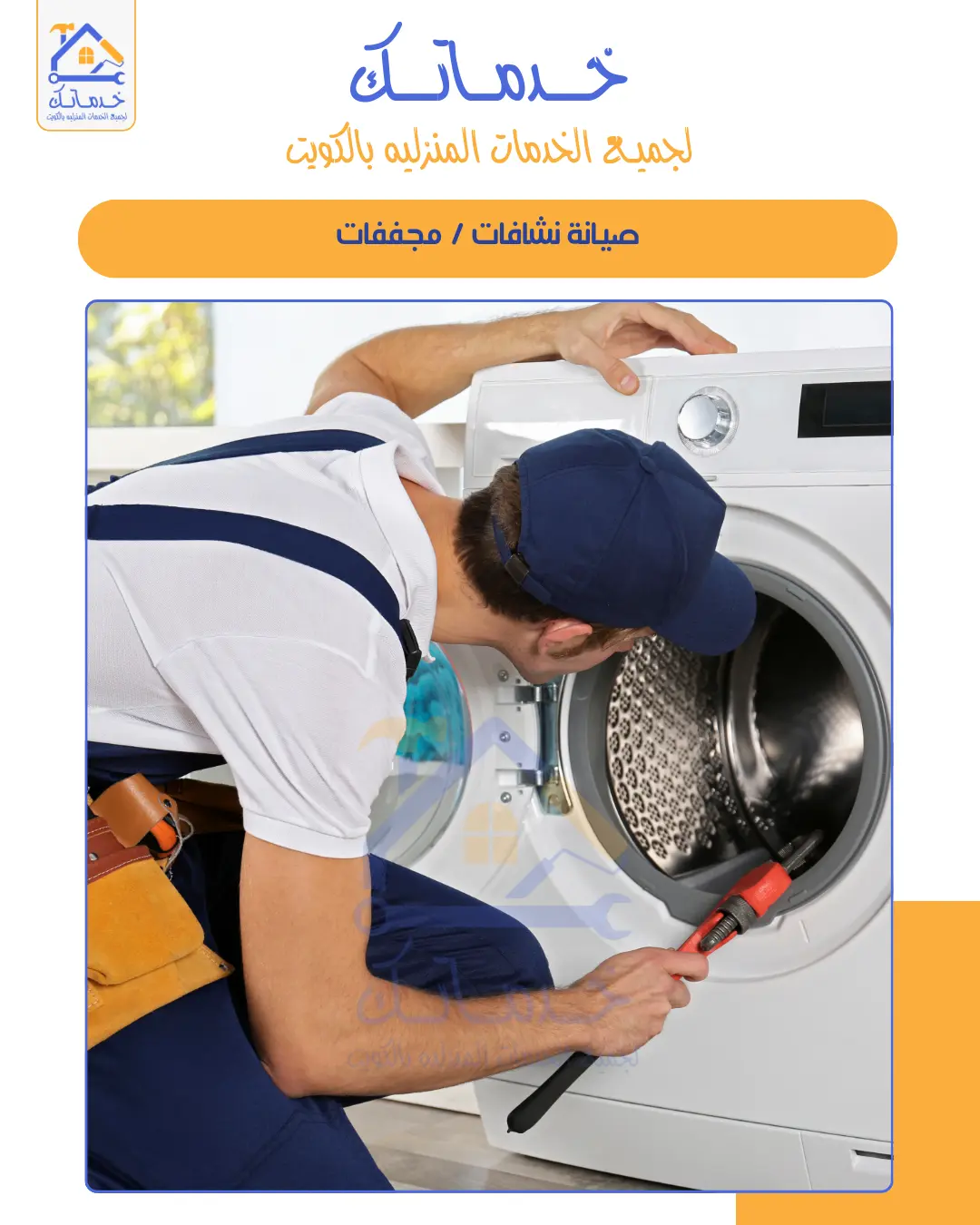
Repairing water leaks from the front washing machine door is one of the most common maintenance procedures performed on front-loading washing machines. However, technicians never reach this conclusion simply because water appears near the front of the appliance. In many situations, homeowners assume the door is responsible when the water has actually traveled from another internal component before becoming visible at the front. For this reason, professional technicians begin with a complete inspection of the entire door sealing system before recommending any repair. The first step is carefully examining the rubber door gasket because it serves as the primary barrier preventing water from escaping while the drum rotates under high pressure. Every section of the gasket is inspected for tiny cuts, cracks, tears, or punctures that may not be noticeable during everyday use. Technicians also check for accumulated detergent residue, lint, coins, wires, buttons, or other foreign objects trapped between the gasket and the door frame that may prevent a proper seal. The door hinges and locking mechanism are then inspected because even slight door misalignment can allow water to escape during washing or high-speed spinning. A complete operational test is performed while the washing machine is running because certain leaks only become visible after the drum fills with water and internal pressure increases during operation. Practical repair experience throughout Kuwait consistently demonstrates that accurate diagnosis in this area saves customers considerable repair expenses because some cases require nothing more than cleaning the door gasket or adjusting the door alignment, while others genuinely require complete gasket replacement to restore a watertight seal and permanently eliminate future leakage.
When Does Replacing the Door Gasket Become the Only Permanent Solution?
The presence of water around the washing machine door does not automatically mean that replacing the washing machine door gasket because of water leakage is necessary. Professional technicians first determine whether the gasket has genuinely lost its sealing capability or whether the problem results from incorrect operating conditions. Inspection begins by pressing on multiple sections of the gasket to verify that the rubber still retains its original flexibility because aged rubber gradually hardens and loses its ability to create a proper waterproof seal. The inner folds of the gasket are carefully opened and examined since many fine cracks, hidden tears, and small punctures develop on surfaces that remain invisible during normal use. Technicians also inspect the internal drainage channels incorporated into certain gasket designs because blocked drainage passages can cause water to accumulate before eventually overflowing through the front of the machine. If the gasket itself remains in good condition, attention shifts toward checking the door hinges, locking mechanism, and overall washing machine stability because excessive vibration may prevent the door from pressing evenly against the gasket during operation. Once technicians confirm that the gasket itself is responsible for the leak, it is replaced with an original manufacturer component or an exact specification equivalent before the sealing system is thoroughly tested throughout every stage of the washing cycle. Extensive practical experience consistently proves that installing poor-quality replacement gaskets or performing improper installation often causes leakage to return within a relatively short period. Selecting the correct replacement component and installing it professionally therefore represents an essential part of achieving a reliable long-term repair.
Why Does Water Leak Out of the Detergent Drawer Even Though Nothing Is Broken?
One of the most confusing faults homeowners encounter involves water leaking from the detergent dispenser drawer, since the washing machine often appears to operate normally while water suddenly overflows from the front of the dispenser at the beginning of the cycle. In most situations, the drawer itself is not damaged. Instead, the problem originates from the way water flows through the internal detergent distribution system. As detergent residue, fabric softener deposits, and mineral buildup gradually accumulate inside the narrow dispenser channels, water can no longer flow smoothly toward the drum and is forced back out through the front of the drawer. Excessive quantities of detergent or the use of hand-washing detergent instead of products specifically designed for automatic washing machines may also generate excessive foam that interferes with normal water movement inside the dispenser assembly. Another frequently encountered cause involves unusually high incoming water pressure, which forces water into the dispenser faster than the internal channels can safely distribute it. Professional technicians begin by removing the detergent drawer and thoroughly cleaning every internal passage before inspecting the upper water distribution nozzles, testing the inlet water valve, and verifying that the incoming water pressure remains within the manufacturer's recommended operating range. The washing machine is then tested using the correct amount and type of detergent to confirm that the overflow has been completely eliminated. Practical experience repairing household washing machines consistently demonstrates that regularly cleaning the detergent drawer and using detergents specifically formulated for automatic washing machines prevents a large percentage of these leaks while ensuring that both water and detergent reach the drum exactly as intended by the manufacturer.
How Is a Leaking Washing Machine Drain Hose Professionally Diagnosed and Repaired?
Repairing a leaking automatic washing machine drain hose requires a detailed practical inspection because the hose may appear completely intact when viewed externally while actually developing leaks only when subjected to high water pressure during the draining cycle. For this reason, experienced technicians never rely solely on a visual examination. Instead, they carefully trace the entire drain hose from the point where it connects to the drain pump all the way to the household drainage outlet. Every section is inspected for tiny cracks caused by aging rubber, repeated bending, or continuous friction against the wall, the floor, or the washing machine cabinet during vibration. Metal hose clamps and plastic connectors are also examined because even slight loosening allows water to escape whenever drainage pressure increases. The inspection does not stop with the hose itself. Technicians also verify that the household drainage system is not partially blocked because restricted drainage raises internal water pressure inside the hose, forcing water to escape through the weakest connection. Once the inspection is complete, a full drain cycle is performed while every connection is monitored under actual operating pressure to confirm that no leakage remains. Practical field experience repairing household washing machines throughout Kuwait consistently demonstrates that replacing the drain hose without identifying the original reason for its failure frequently leads to the same problem recurring within a relatively short period. Comprehensive diagnosis and correction of the underlying cause therefore ensure reliable drainage performance for many years without future leakage.
How Is the Cost of Repairing a Leaking Automatic Washing Machine Determined in Kuwait?
Many homeowners immediately ask about the cost of repairing a leaking automatic washing machine in Kuwait as soon as they notice water on the floor. However, professional technicians cannot provide an accurate quotation before identifying the precise source of the leak because repair costs vary significantly depending on the actual cause. There is a substantial difference between tightening a loose hose clamp or cleaning the detergent dispenser and replacing a damaged door gasket, repairing the drain pump, or installing a new internal water hose. The washing machine brand also plays an important role because some manufacturers use specialized replacement parts that differ considerably in both availability and cost. Repair pricing is additionally influenced by the time required to complete the repair, the complexity of reaching the damaged component, and whether extensive disassembly is necessary before repairs can begin. For these reasons, professional repair companies throughout Kuwait first perform a complete on-site inspection before issuing a final quotation. Customers receive a detailed explanation describing the source of the leak, the defective component, the available repair or replacement options, and the expected cost associated with each solution before any work begins. Practical repair experience consistently shows that this transparent approach gives homeowners complete confidence while preventing unexpected expenses. It also allows customers to make informed repair decisions based on the actual condition of the appliance rather than relying on general estimates that may not accurately reflect the true nature of the problem.
When Should You Call a Washing Machine Leak Detection Specialist Instead of Attempting Repairs Yourself?
Although certain water leaks are obvious and can easily be identified by homeowners, many others remain hidden inside the washing machine cabinet or only appear after the appliance has been operating for an extended period. In these situations, contacting a washing machine leak detection specialist in Kuwait becomes a necessity rather than simply an option. Professional technicians use specialized inspection equipment that enables them to accurately locate the exact source of water leakage without dismantling large sections of the appliance unnecessarily. They also operate the washing machine through multiple programs while carefully observing water behavior during filling, washing, rinsing, spinning, and draining because identifying the precise stage at which leakage occurs significantly narrows the range of possible causes. The inspection further includes testing incoming water pressure, evaluating the condition of both internal and external hoses, examining the drain pump, inlet valve, door gasket, detergent dispenser, and all internal water connections that are difficult for homeowners to access safely. Practical experience repairing household washing machines throughout Kuwait consistently demonstrates that early professional intervention prevents leaking water from reaching highly sensitive components such as the drive motor and electronic control board, both of which are among the most expensive parts to repair or replace. Requesting assistance from a qualified specialist as soon as leakage is first noticed therefore saves both time and money while protecting the washing machine from developing far more serious internal damage.
How Can Preventive Maintenance Stop Water Leaks from Returning?
Successfully repairing a leak does not end when the visible water disappears because the real objective of repairing water leakage faults in washing machines is to prevent the same problem from returning weeks or months later. Professional technicians therefore do much more than simply replace the damaged component. After completing the repair, they perform a comprehensive inspection of every part involved in the machine's water circulation system. This includes checking the condition of the inlet hoses, drain hoses, all hose clamps and fittings, the door gasket, water inlet valve, detergent dispenser assembly, drain pump, and internal water connections that may already show early signs of wear even though they are not yet leaking. The washing machine is then tested through several complete operating programs to verify that no additional weak points appear under different water pressures or drum speeds. Technicians also provide customers with practical maintenance recommendations that help extend the service life of these components, including avoiding pushing the washing machine tightly against the wall where the drain hose may become crushed or bent, inspecting hoses every few months for signs of aging, cleaning the detergent drawer regularly, and avoiding excessive amounts of detergent that can create residue inside the internal water passages. Customers are further advised not to leave older washing machines operating unattended for extended periods, particularly if they have not undergone professional servicing for a long time. Practical repair experience throughout Kuwait consistently demonstrates that following these preventive maintenance practices dramatically reduces the likelihood of future leaks, preserves the washing machine's operating efficiency, and helps homeowners avoid expensive repairs caused by neglecting minor problems during their early stages.
How Should You Choose a Professional Company to Repair Washing Machine Water Leaks in Kuwait?
When dealing with water leaking from an automatic washing machine in Kuwait, selecting the right repair company is just as important as repairing the fault itself because inaccurate diagnosis often results in replacing perfectly functional parts while the actual source of the leak remains unresolved. For this reason, homeowners should choose companies with extensive experience servicing all major automatic washing machine brands and models while following a complete diagnostic procedure before recommending any repair. Professional service providers employ trained technicians equipped with advanced diagnostic tools capable of locating leaks originating from the door assembly, drain pump, internal hoses, inlet system, or hidden water circuits without dismantling the appliance unnecessarily. Another important indication of professionalism is the company's willingness to explain the exact cause of the malfunction, identify the damaged component, discuss available repair and replacement options, and use original manufacturer parts or high-quality equivalents that fully comply with factory specifications. Reliable companies also provide written warranties covering completed repairs, maintain transparent pricing policies, and offer prompt home service throughout every region of Kuwait. Practical experience consistently confirms that choosing a specialized repair company from the very beginning significantly shortens repair time, prevents recurring failures caused by temporary or incorrect repairs, and ensures that the true source of the leak is permanently eliminated using professional repair methods that restore the washing machine to safe and reliable operation.
Conclusion
Water leaking from an automatic washing machine is one of those appliance faults that should never be ignored because the consequences extend far beyond the visible water on the floor. Continued leakage may damage expensive internal components, including the drive motor and electronic control board, while also causing serious damage to flooring materials, nearby furniture, and electrical installations within the home. For this reason, the correct response always begins by switching the appliance off immediately, identifying the general location of the leak, and avoiding further operation until the actual cause has been professionally diagnosed.
Throughout this guide, we examined every major aspect of water leaking from an automatic washing machine in Kuwait, beginning with the correct actions to take during the first few minutes after discovering the problem. We explained why accurate diagnosis depends on identifying the exact stage of the washing cycle during which the leak occurs, analyzed the causes of water leaking from underneath an automatic washing machine, examined situations where the automatic washing machine leaks water only while operating, discussed professional methods for repairing leaks from the front washing machine door, identified situations requiring replacement of the washing machine door gasket because of water leakage, explained the causes of water overflowing from the detergent dispenser drawer, and described the professional procedure used for repairing leaking automatic washing machine drain hoses.
The article also explained the factors affecting the cost of repairing a leaking automatic washing machine in Kuwait, identified the situations in which contacting a washing machine leak detection specialist in Kuwait becomes essential, and emphasized the important role preventive maintenance plays in preventing recurring leaks while extending the operational life of the appliance.
Ultimately, successful washing machine repair is not measured simply by stopping the visible leak. It begins with accurate technical diagnosis, continues through professional repair using appropriate replacement parts, and concludes only after comprehensive testing confirms that every component within the water circulation system is operating correctly. Following this professional approach permanently eliminates the source of the leak, restores reliable washing machine performance, minimizes future repair costs, and gives homeowners confidence that the appliance can continue operating safely and efficiently for years to come.
Frequently Asked Questions
Why is water leaking from underneath my automatic washing machine?
Common causes include a damaged drain hose, loose hose clamps, a leaking drain pump, worn internal seals, or damaged water connections inside the appliance.
Why does the washing machine leak water only while it is running?
Water pressure during filling or vibration during washing and spinning can expose small cracks or loose connections that remain hidden when the machine is turned off.
Can water leaking from the washing machine door be repaired without replacing the door gasket?
Yes. If the leak is caused by dirt buildup, incorrect door alignment, or an obstruction preventing proper sealing, cleaning or adjustment may solve the problem. If the gasket is torn or cracked, replacement is usually necessary.
When should the washing machine door gasket be replaced?
Replacement is recommended when the gasket has visible cracks, cuts, permanent deformation, or hardened rubber that no longer creates a watertight seal.
Why does water overflow from the detergent drawer?
This is commonly caused by blocked dispenser channels, excessive detergent usage, unsuitable detergent, or unusually high incoming water pressure.
How can I tell if the drain hose is responsible for the leak?
A technician inspects the hose during the drain cycle, checking for cracks, punctures, loose fittings, damaged clamps, or drainage restrictions that increase internal pressure.
How much does it cost to repair a leaking automatic washing machine in Kuwait?
The repair cost depends on the exact location of the leak, the damaged component, the washing machine model, replacement parts required, and the results of the professional inspection.
When should I contact a washing machine leak detection specialist?
You should seek professional assistance whenever the leak source cannot be identified, the leak repeatedly returns after previous repairs, or water appears to be leaking from inside the machine cabinet.
Does regular maintenance help prevent future water leaks?
Yes. Routine inspection of hoses, clamps, door seals, drainage components, and water connections allows developing problems to be detected before they become serious leaks.
How do I choose the best washing machine leak repair company in Kuwait?
Choose a company with proven experience, qualified technicians, professional diagnostic equipment, original replacement parts, written repair warranties, transparent pricing, and fast home service throughout Kuwait.