Air conditioner refrigerant refilling is one of the most frequently requested air conditioning services in Kuwait, yet it is also one of the most misunderstood. Many homeowners assume that whenever cooling performance declines, the solution is simply to add more refrigerant. In reality, an air conditioning system operates as a sealed refrigeration circuit that does not consume refrigerant during normal operation. If the refrigerant level becomes low, there is almost always an underlying reason that must be identified before any refilling takes place. Extensive practical experience servicing residential air conditioning systems throughout Kuwait has consistently shown that professional diagnosis before recharging the refrigerant is the key to successful repairs, stable cooling performance, lower operating costs, and longer equipment life. For this reason, experienced technicians never begin by adding refrigerant. Instead, they perform a complete inspection of the refrigeration circuit to identify the actual cause of the problem before deciding whether refrigerant charging is genuinely required.
Why Is Split AC Refrigerant Refilling in Kuwait Not Always the First Solution to Weak Cooling?
When customers request split AC refrigerant refilling in Kuwait, the primary reason is usually that the air conditioner no longer cools as efficiently as it once did, or that the room now takes significantly longer to reach the desired temperature. Because these symptoms are common, many homeowners automatically conclude that the refrigerant level has decreased over time due to continuous use. However, extensive practical experience repairing residential air conditioning systems throughout Kuwait has repeatedly demonstrated that this assumption is technically incorrect. The refrigerant circulates continuously within a completely sealed refrigeration circuit consisting of the compressor, condenser, expansion device, and evaporator. Under normal operating conditions, refrigerant is never consumed or depleted. Therefore, any measurable loss almost always indicates the presence of a refrigerant leak that must be identified before any recharge is considered. Professional technicians therefore begin by measuring both suction and discharge operating pressures using calibrated gauges. These readings are compared with refrigerant line temperatures and manufacturer operating specifications. Indoor return air and supply air temperatures are also measured while compressor performance is evaluated under actual operating conditions. The condenser coil and evaporator coil are carefully inspected because accumulated dirt may reduce cooling efficiency even when refrigerant levels remain completely normal. Technicians also examine blower performance, electronic sensors, expansion devices, refrigerant pipe insulation, and all refrigeration line connections. Special attention is given to identifying traces of refrigeration oil around joints and fittings because escaping oil frequently provides valuable evidence of refrigerant leakage. Only after every technical measurement has been completed are the diagnostic results analyzed to determine whether refrigerant charging is genuinely required. Extensive field experience throughout Kuwait consistently demonstrates that many systems initially believed to require refrigerant refilling actually suffer from unrelated faults that can be corrected without adding any refrigerant at all. This diagnostic approach prevents unnecessary servicing, protects the refrigeration circuit, reduces repair expenses, and restores cooling performance through accurate fault identification rather than assumption.
How Do the Signs of Low Refrigerant Help Technicians Reach the Correct Diagnosis?
Understanding the signs of low refrigerant in an air conditioner plays an important role during diagnosis because these symptoms provide valuable technical clues. However, practical experience servicing residential air conditioning systems throughout Kuwait has consistently shown that these warning signs should never be interpreted as definitive proof of refrigerant loss. Instead, they must be evaluated together with engineering measurements and complete refrigeration system testing. One of the earliest symptoms noticed by homeowners is a gradual decline in cooling performance even though the air conditioner continues operating for extended periods. The compressor may run continuously without successfully reaching the thermostat setting, while ice may begin forming on the evaporator coil or suction refrigerant line due to reduced refrigeration pressure. Electricity consumption frequently increases because the system must operate much longer to compensate for declining cooling capacity. Although these symptoms often accompany refrigerant leaks, they may also result from dirty condenser coils, clogged air filters, restricted airflow, defective blower motors, faulty electronic sensors, or other refrigeration system malfunctions. Professional technicians therefore never rely solely on visible symptoms. Instead, they measure operating refrigerant pressures under actual cooling conditions, record suction and discharge line temperatures, calculate superheat and subcooling values, and compare every measurement against manufacturer engineering specifications. Refrigeration line connections, valves, joints, and service ports are inspected carefully for oil residue that could indicate refrigerant leakage. When necessary, advanced electronic leak detection equipment is used to confirm refrigerant loss before any recharge is recommended. Compressor performance, condenser efficiency, evaporator condition, airflow volume, and overall refrigeration system operation are also evaluated to eliminate every possible alternative cause of poor cooling. Only after this complete diagnostic procedure has been performed can technicians confidently determine whether refrigerant loss is actually responsible for reduced cooling performance. Extensive practical experience throughout Kuwait consistently demonstrates that this engineering-based diagnostic process prevents unnecessary refrigerant charging, avoids replacing perfectly functional components, reduces repair costs, and ensures that the true cause of poor cooling is permanently corrected during the first service visit.
When Does an Air Conditioner Actually Need a New Refrigerant Recharge?
One of the most frequently asked questions during air conditioner servicing is when an air conditioner actually needs a new refrigerant recharge. Many homeowners assume that after several years of operation the refrigerant naturally decreases and must simply be topped up as part of routine maintenance. However, extensive practical experience repairing residential air conditioning systems throughout Kuwait has consistently demonstrated that this belief is technically inaccurate. The refrigerant circuit is a completely sealed system, meaning the refrigerant is continuously recycled and is not consumed during normal operation. Therefore, an air conditioner that has never developed a refrigerant leak should continue operating for many years without requiring additional refrigerant. Professional technicians never base their decision to recharge the system on the age of the equipment or the number of years it has been in service. Instead, they rely entirely on comprehensive technical diagnosis. The evaluation begins by measuring operating pressures while the unit is running under a normal cooling load. Suction and discharge line temperatures are recorded, while superheat and subcooling values are calculated to verify whether the refrigeration circuit is operating within the manufacturer's specified parameters. Compressor performance, condenser efficiency, evaporator condition, airflow volume, blower operation, and air filter cleanliness are all carefully examined because poor cooling performance may result from airflow restrictions, dirty heat exchangers, or mechanical faults rather than refrigerant loss. Technicians also review previous maintenance history whenever available to determine whether the refrigeration circuit has previously been opened for compressor replacement, evaporator repairs, condenser replacement, or refrigerant line servicing. Whenever refrigeration components have been replaced and the sealed circuit has been opened, refrigerant recharging becomes an essential part of the repair procedure after proper evacuation has been completed. Conversely, if every engineering measurement confirms that refrigerant quantity remains within manufacturer specifications, adding additional refrigerant becomes both unnecessary and potentially harmful because excessive refrigerant may increase operating pressures, reduce cooling efficiency, and place unnecessary stress on the compressor. Extensive practical experience throughout Kuwait consistently demonstrates that restricting refrigerant charging only to situations where diagnostic measurements clearly justify it preserves refrigeration system stability, prevents common service errors, improves long-term reliability, and significantly extends the lifespan of every major cooling component.
Why Is Measuring Refrigerant Pressure Before Recharging the Most Important Diagnostic Step?
Measuring refrigerant pressure before recharging represents the foundation of every professional refrigeration diagnosis because every subsequent repair decision depends upon these measurements. Extensive practical experience servicing residential air conditioning systems throughout Kuwait has shown that attempting to determine refrigerant quantity based solely on supply air temperature or perceived cooling performance frequently results in incorrect conclusions. Weak cooling alone cannot accurately determine whether refrigerant levels are low because numerous unrelated faults produce nearly identical symptoms. Professional technicians therefore begin by connecting precision manifold gauges to the refrigeration service ports before allowing the air conditioner to reach stable operating conditions. Once operating temperatures stabilize, both suction and discharge pressures are carefully recorded while simultaneously measuring outdoor ambient temperature, indoor return air temperature, and supply air temperature. These environmental conditions significantly influence normal operating pressures and must therefore be considered during every diagnosis. Refrigerant line surface temperatures are then measured to calculate superheat and subcooling values, two of the most valuable engineering indicators available for evaluating refrigeration system performance and refrigerant charge accuracy. Compressor operating characteristics are monitored throughout the testing process while condenser heat rejection performance and evaporator cooling efficiency are carefully evaluated to ensure that abnormal pressure readings are not being caused by airflow restrictions, dirty coils, or mechanical faults unrelated to refrigerant quantity. Every measurement is documented and compared with manufacturer specifications before any decision regarding refrigerant charging is made. Whenever pressure readings differ from expected operating values, technicians continue investigating the underlying cause rather than immediately adding refrigerant because abnormal pressures may result from refrigerant leaks, partial system restrictions, expansion device malfunctions, or compressor performance issues. Only after complete engineering analysis confirms insufficient refrigerant charge is recharging recommended. Extensive practical experience throughout Kuwait consistently demonstrates that measuring refrigerant pressure before every recharge prevents unnecessary refrigerant addition, protects the compressor from abnormal operating conditions, preserves refrigeration system efficiency, and ensures that maintenance procedures are performed according to internationally accepted refrigeration service standards.
How Is Refrigerant Charged Correctly to Preserve Long-Term Cooling Performance?
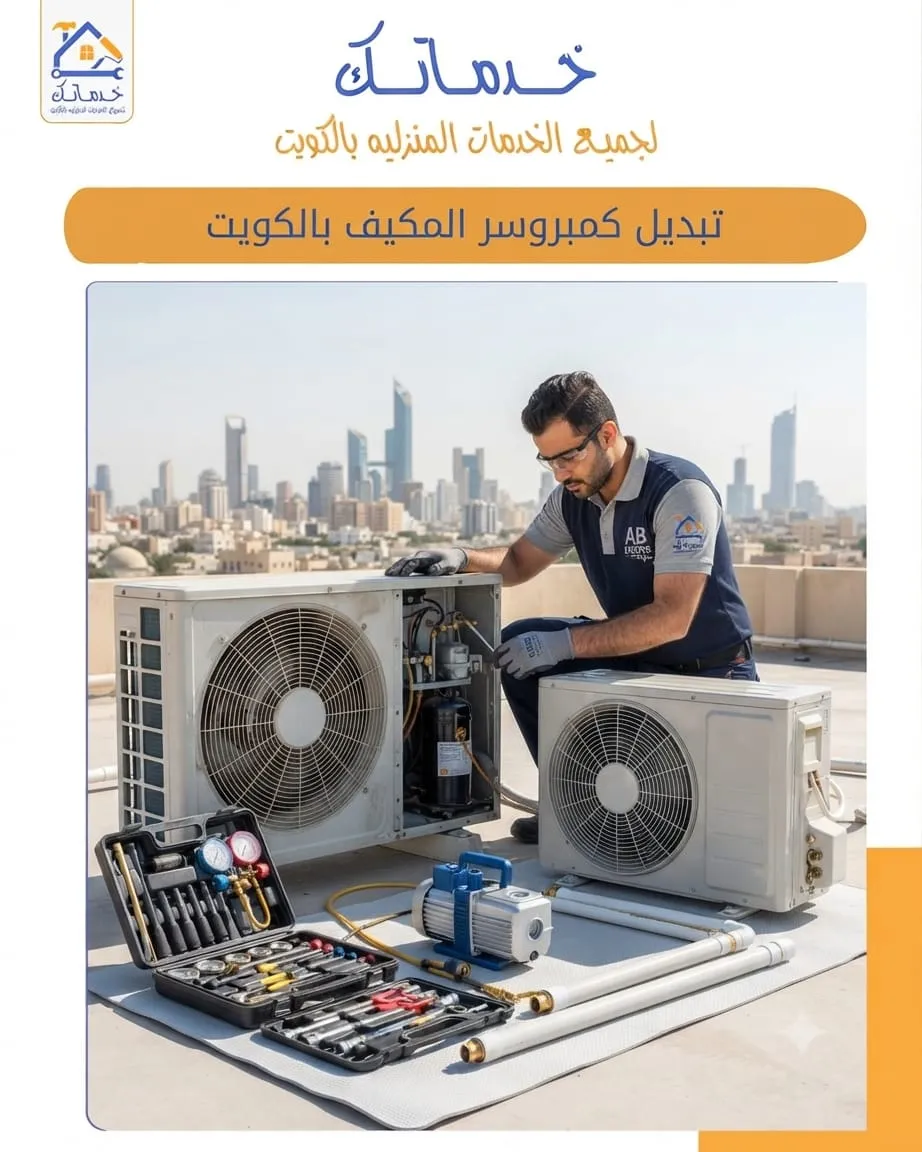
Charging refrigerant into an air conditioning system correctly requires far more than simply connecting a refrigerant cylinder and adding gas until the air feels colder. Successful refrigerant charging is a carefully controlled engineering procedure intended to restore the refrigeration circuit to the precise operating condition specified by the manufacturer. Extensive practical experience servicing residential air conditioning systems throughout Kuwait has consistently shown that many cooling complaints occurring shortly after refrigerant charging result from improper charging techniques rather than defects in the air conditioner itself. Professional technicians therefore begin by confirming that every previously identified refrigerant leak has been completely repaired before introducing any new refrigerant into the system. Charging refrigerant into a system that continues leaking provides only temporary improvement because cooling performance will decline again as refrigerant escapes. Once the refrigeration circuit has been verified as leak-free, technicians connect a professional vacuum pump to evacuate air, moisture, and non-condensable gases from the sealed system. This evacuation stage is critical because moisture trapped inside refrigerant lines can reduce heat transfer efficiency, increase operating pressures, damage internal components, and significantly shorten compressor life. After achieving the required vacuum level and confirming that the system maintains stable vacuum pressure without leakage, refrigerant charging begins using the exact refrigerant type specified by the manufacturer. Charging is performed according to factory refrigerant weight specifications or through precise engineering measurements appropriate for the particular system design. Throughout the charging procedure, technicians continuously monitor suction pressure, discharge pressure, refrigerant line temperatures, superheat values, and subcooling values to ensure the refrigeration cycle operates exactly as intended. Once charging has been completed, the air conditioner continues operating under full cooling load while technicians verify supply air temperature, return air temperature, compressor electrical performance, refrigerant pressures, and overall cooling efficiency. Extensive practical experience throughout Kuwait consistently demonstrates that following every stage of this professional charging procedure preserves compressor reliability, maximizes energy efficiency, stabilizes refrigeration system performance, and prevents the operating problems commonly caused by either excessive or insufficient refrigerant charge.
Why Must Refrigerant Leaks Be Located Before Recharging an Air Conditioner?
Detecting refrigerant leaks before recharging an air conditioner is the single most important step in any refrigeration repair because refrigerant cannot simply disappear from a properly sealed system. Whenever refrigerant quantity decreases, there is almost always a physical leak somewhere within the refrigeration circuit. Recharging refrigerant without first identifying and repairing the leak is comparable to repeatedly filling a container that still has a hole in it. Extensive practical experience repairing residential air conditioning systems throughout Kuwait has shown that many homeowners experience repeated cooling failures because refrigerant was added several times while the original leak remained untreated. Professional technicians therefore begin every suspected refrigerant loss diagnosis using specialized leak detection procedures. Visible inspection is performed first because refrigeration oil often escapes together with refrigerant, leaving oily residue around service valves, flare connections, welded joints, refrigerant pipes, condensers, evaporators, or compressors. When visual inspection does not identify the leak, highly sensitive electronic refrigerant leak detectors are used to locate even extremely small refrigerant losses that cannot be seen by the naked eye. For particularly difficult cases, technicians perform nitrogen pressure testing by pressurizing the sealed refrigeration circuit with dry nitrogen gas and carefully monitoring pressure stability over time. This method helps reveal tiny leaks that may remain undetectable during normal system operation. Once the leak location has been accurately identified, technicians repair the damaged section using the appropriate engineering procedure, whether that involves replacing defective valves, repairing refrigerant joints, re-brazing damaged connections, or replacing failed refrigeration components. After repairs have been completed, the refrigeration circuit undergoes another complete leak test before evacuation and refrigerant charging begin. Finally, the system is operated under actual cooling conditions while operating pressures, temperatures, and cooling performance are monitored continuously to confirm that refrigerant loss has been permanently eliminated. Extensive practical experience throughout Kuwait consistently demonstrates that repairing refrigerant leaks before recharging prevents repeated service visits, reduces long-term maintenance costs, protects the compressor from operating under abnormal conditions, and restores reliable cooling performance for many years.
How Does Low Refrigerant Gradually Reduce Air Conditioner Cooling Performance?
Understanding the causes of poor cooling due to low refrigerant is essential because refrigerant loss rarely causes an air conditioner to stop cooling suddenly. Instead, cooling performance usually declines gradually over time until homeowners notice that the system no longer maintains the desired indoor temperature. Extensive practical experience servicing residential air conditioning systems throughout Kuwait has consistently shown that when refrigerant quantity decreases, the evaporator loses part of its ability to absorb heat from the indoor air. As a result, the air leaving the indoor unit becomes progressively less cold even though the compressor continues operating for much longer periods. The longer operating time increases electricity consumption because the air conditioner works continuously in an attempt to compensate for the reduced refrigeration capacity. During Kuwait's extremely hot summer months, this gradual decline becomes even more noticeable because the cooling system is already operating under maximum thermal load. In many cases, frost or ice begins forming on the evaporator coil or suction refrigerant line due to lower refrigerant pressure, eventually restricting airflow and reducing cooling efficiency even further once the accumulated ice melts. Nevertheless, these symptoms should never automatically be interpreted as proof of refrigerant loss because identical operating conditions may also result from dirty condenser coils, blocked air filters, weak blower motors, restricted airflow, malfunctioning electronic sensors, or compressor-related faults. Professional technicians therefore rely on engineering measurements rather than visible symptoms alone. Refrigerant operating pressures are measured under actual cooling conditions while refrigerant line temperatures, compressor performance, electrical consumption, and heat transfer efficiency throughout the refrigeration circuit are carefully evaluated. Only after every measurement has been compared with manufacturer operating specifications can technicians determine whether refrigerant loss is actually responsible for declining cooling performance. Extensive practical experience throughout Kuwait consistently demonstrates that identifying refrigerant-related cooling problems during their earliest stages protects the compressor from continuous overload, restores energy efficiency, reduces electricity consumption, and significantly extends the operational life of the entire refrigeration system.
Why Is Inspecting the Refrigeration Circuit Before Recharging Essential for Successful Repairs?
Inspecting the refrigeration circuit before recharging refrigerant represents the stage that determines whether the entire repair process will succeed or fail. Extensive practical experience maintaining residential air conditioning systems throughout Kuwait has consistently shown that many unsuccessful refrigerant recharge jobs share one common problem: the refrigeration circuit was never thoroughly inspected before refrigerant was added. Professional technicians therefore begin with a complete engineering evaluation of every major component within the sealed refrigeration system. Operating pressures are measured while compressor performance is analyzed under actual cooling conditions. The condenser coil, evaporator coil, expansion device, refrigerant piping, insulation, service valves, and all refrigeration connections are carefully inspected for signs of deterioration, blockage, contamination, or refrigerant leakage. Advanced electronic leak detection equipment and nitrogen pressure testing are used whenever necessary to confirm that the refrigeration circuit is completely sealed before any refrigerant charging procedure begins. Technicians also verify that no internal restrictions exist within the refrigeration circuit because abnormal pressure readings are not always caused by refrigerant loss. Mechanical restrictions, partially blocked expansion devices, contaminated refrigerant lines, or damaged refrigeration components may produce similar operating symptoms while requiring completely different repair procedures. Once the refrigeration circuit has been confirmed to be leak-free and mechanically sound, the entire system is evacuated using a professional vacuum pump to remove air and moisture before refrigerant charging begins. After recharging has been completed, operating pressures, refrigerant line temperatures, superheat values, subcooling values, compressor electrical performance, and cooling efficiency are measured once again to verify that the refrigeration system has returned to factory operating specifications. Extensive practical experience throughout Kuwait consistently demonstrates that thoroughly inspecting the refrigeration circuit before every refrigerant recharge prevents repeated breakdowns, eliminates unnecessary service visits, protects expensive refrigeration components, and provides stable long-term cooling performance that meets original manufacturer standards.
How Is Professional Refrigerant Charging Provided for All Types of Air Conditioners?
Providing professional refrigerant charging services for all types of air conditioners requires considerably more than experience alone because every air conditioning system has its own refrigeration design, operating pressures, refrigerant type, factory charge quantity, and manufacturer service procedures. Extensive practical experience servicing residential and commercial air conditioning systems throughout Kuwait has shown that applying identical charging procedures to every unit frequently produces inaccurate results and unnecessary system stress. Professional technicians therefore begin by identifying the exact type of air conditioning system being serviced, whether it is a split air conditioner, central air conditioning system, packaged unit, ducted system, or commercial cooling equipment. Manufacturer identification plates are carefully reviewed to verify the approved refrigerant type, factory refrigerant charge, and operating specifications before any servicing begins. The complete refrigeration circuit is then inspected for refrigerant leaks, compressor performance, condenser efficiency, evaporator condition, expansion device operation, airflow quality, and overall system performance because successful refrigerant charging depends upon every component functioning correctly. Refrigerant operating pressures, refrigerant line temperatures, condenser heat rejection, and evaporator cooling efficiency are all measured before charging begins to eliminate misleading diagnostic results caused by dirty coils or restricted airflow. Once technicians confirm that refrigerant charging is genuinely required, the refrigeration circuit is evacuated, and the correct refrigerant type is introduced according to manufacturer weight specifications or approved engineering charging procedures. Following refrigerant charging, every important operating parameter is measured again, including suction pressure, discharge pressure, compressor electrical current, refrigerant temperatures, superheat, subcooling, supply air temperature, return air temperature, and overall cooling capacity. The air conditioner continues operating under actual cooling conditions until technicians verify complete operating stability and confirm that every measured value falls within manufacturer operating limits. Extensive practical experience throughout Kuwait consistently demonstrates that following manufacturer-specific refrigerant charging procedures for every type of air conditioning system delivers maximum cooling performance, improves energy efficiency, minimizes future breakdowns, and significantly extends compressor and refrigeration system life.
Conclusion
Air conditioner refrigerant charging is one of the most technically demanding maintenance procedures because the success of the repair depends far more on accurate diagnosis than on simply adding refrigerant. Extensive practical experience servicing residential air conditioning systems throughout Kuwait has consistently demonstrated that weak cooling does not automatically indicate low refrigerant, and that professional diagnosis should always precede any decision to recharge the system. Experienced technicians therefore begin by measuring operating pressures, inspecting the complete refrigeration circuit, verifying compressor performance, checking for refrigerant leaks, and evaluating every component affecting cooling efficiency before determining whether refrigerant charging is actually required.
Throughout this comprehensive guide, we explored the importance of split AC refrigerant refilling in Kuwait using professional engineering procedures, explained the signs of low refrigerant in an air conditioner, discussed when an air conditioner actually needs a new refrigerant recharge, highlighted the importance of measuring refrigerant pressure before recharging, described the correct method of charging refrigerant properly, explained why technicians must detect refrigerant leaks before recharging, examined the causes of poor cooling resulting from low refrigerant, discussed the factors influencing the cost of refrigerant refilling in Kuwait, explained why inspecting the refrigeration circuit before recharging is essential, and finally demonstrated how professional refrigerant charging services are provided for all types of air conditioners according to manufacturer standards.
Ultimately, maintaining excellent air conditioning performance does not begin by adding refrigerant whenever cooling declines. Instead, it begins with accurate technical diagnosis, professional leak detection, complete refrigeration circuit inspection, and manufacturer-approved charging procedures. Following these engineering practices restores original cooling efficiency, reduces electricity consumption, protects the compressor from unnecessary stress, minimizes future breakdowns, and significantly extends the operational life of the entire refrigeration system.
Frequently Asked Questions
Does an air conditioner need refrigerant refilling as part of regular maintenance?
No. A properly sealed refrigeration system does not consume refrigerant during normal operation. If refrigerant levels become low, there is usually a leak somewhere within the refrigeration circuit that must be repaired first.
What are the most common signs of low refrigerant?
Common symptoms include gradually reduced cooling performance, unusually long compressor operating times, ice forming on the evaporator coil or refrigerant lines, and increased electricity consumption.
Can refrigerant levels be judged simply by feeling the cold air?
No. Weak airflow or reduced cooling may result from many unrelated faults. Accurate diagnosis always requires professional pressure measurements and complete refrigeration system testing.
Why must refrigerant pressure be measured before adding refrigerant?
Pressure measurements provide the technical information needed to determine whether refrigerant loss actually exists and prevent unnecessary refrigerant charging that could damage the system.
Why is refrigerant leak detection necessary before recharging?
Because refrigerant cannot disappear from a sealed system. If refrigerant has been lost, a leak must be located and repaired before recharging; otherwise, the newly added refrigerant will eventually escape as well.
How is refrigerant properly charged into an air conditioner?
After repairing any leaks, technicians evacuate the refrigeration circuit with a professional vacuum pump, remove air and moisture, and recharge the exact manufacturer-specified refrigerant quantity while monitoring pressures and temperatures throughout the process.
What factors determine the cost of refrigerant charging in Kuwait?
The final cost depends on the air conditioner type, refrigerant type, refrigerant quantity required, leak repairs if necessary, overall refrigeration system condition, and the amount of labor involved.
Can adding too much refrigerant damage an air conditioner?
Yes. Overcharging may increase operating pressures, reduce cooling efficiency, overload the compressor, and shorten the lifespan of major refrigeration components.
Why is the refrigeration circuit inspected before every refrigerant recharge?
A complete inspection confirms that there are no leaks, restrictions, mechanical failures, or damaged components that could prevent the recharge from solving the original problem.
Does refrigerant charging differ between different types of air conditioners?
Yes. Split systems, central air conditioners, packaged units, ducted systems, and commercial equipment each have different refrigerant types, factory charge quantities, operating pressures, and manufacturer service procedures. Refrigerant charging should always follow the specifications for the specific model being serviced